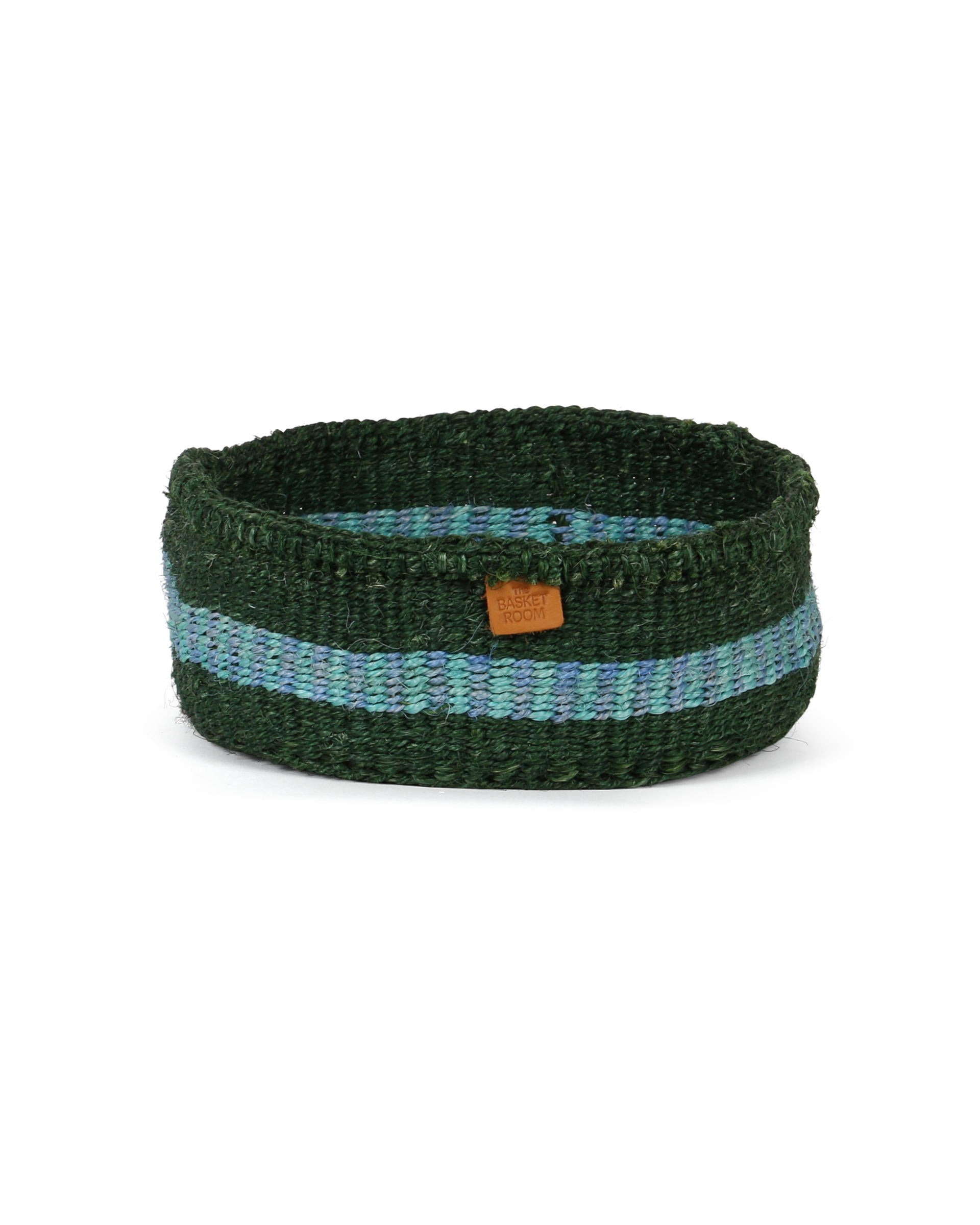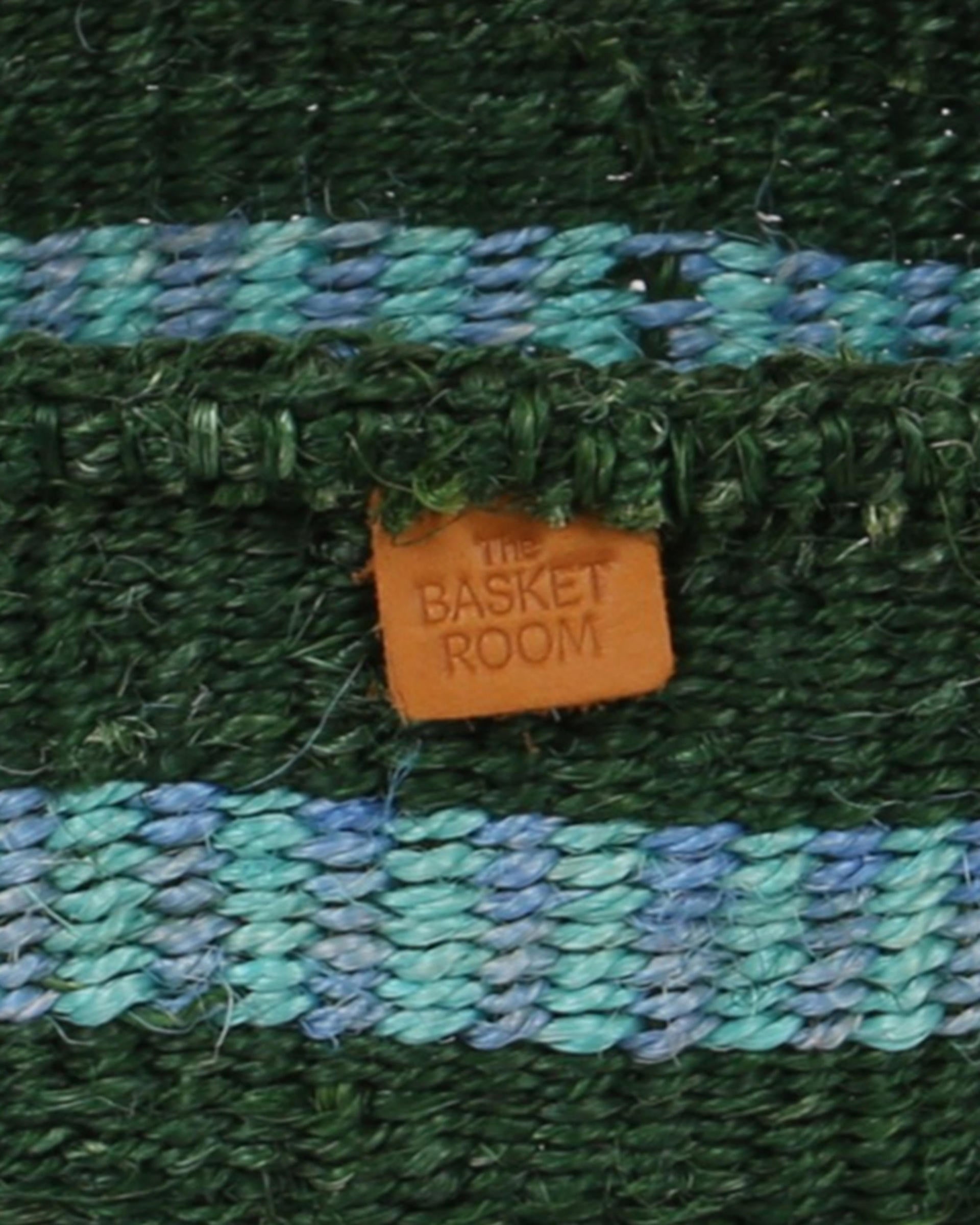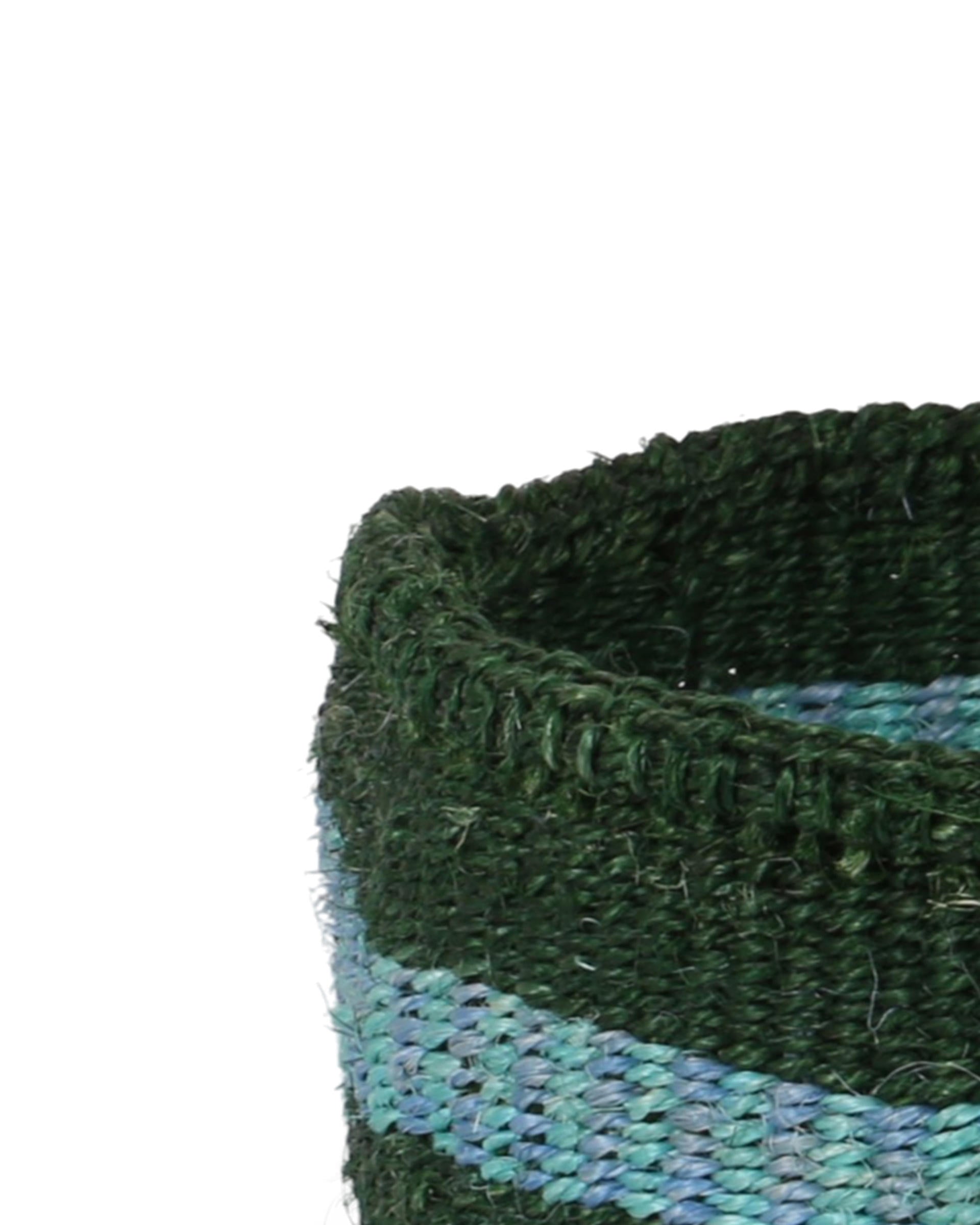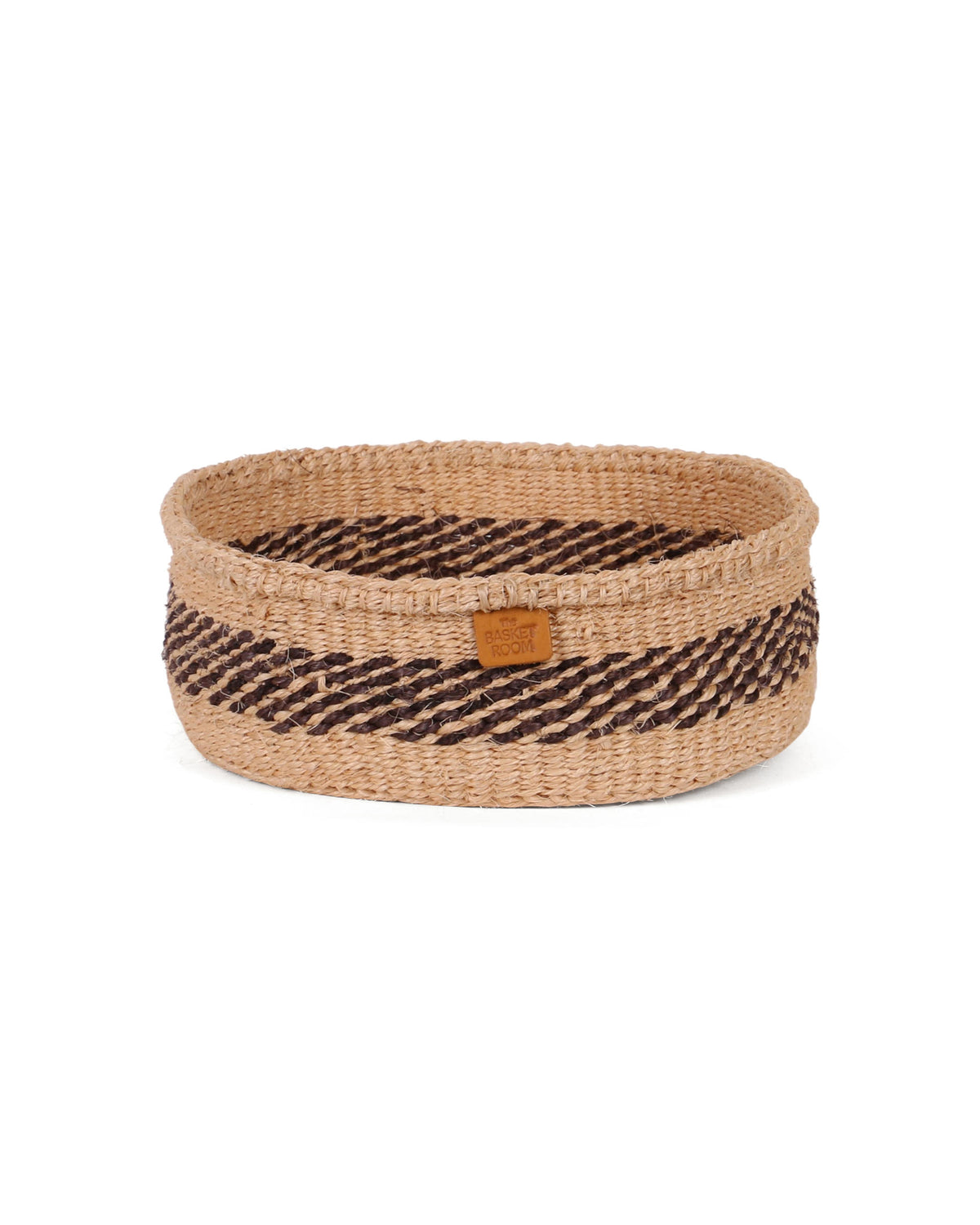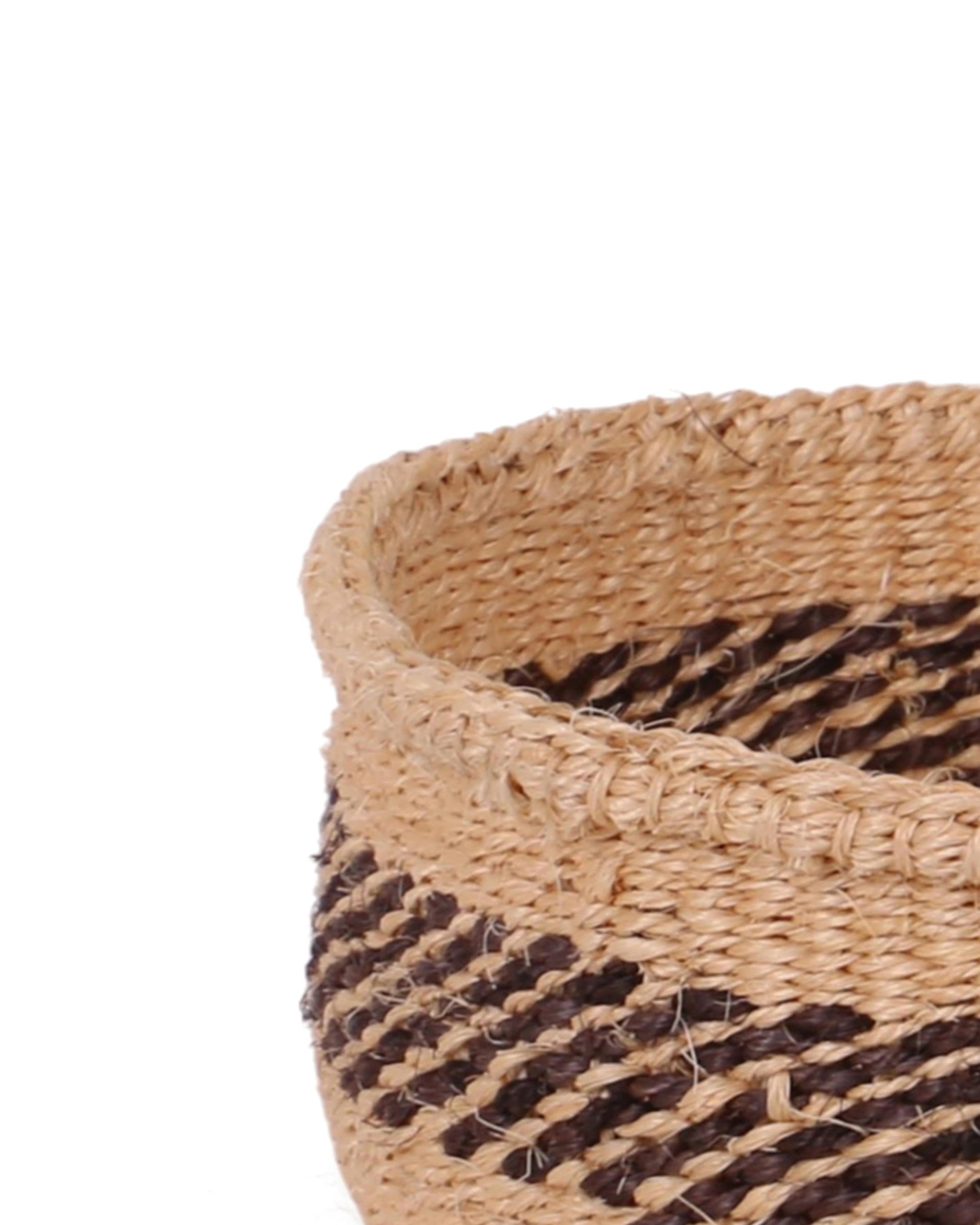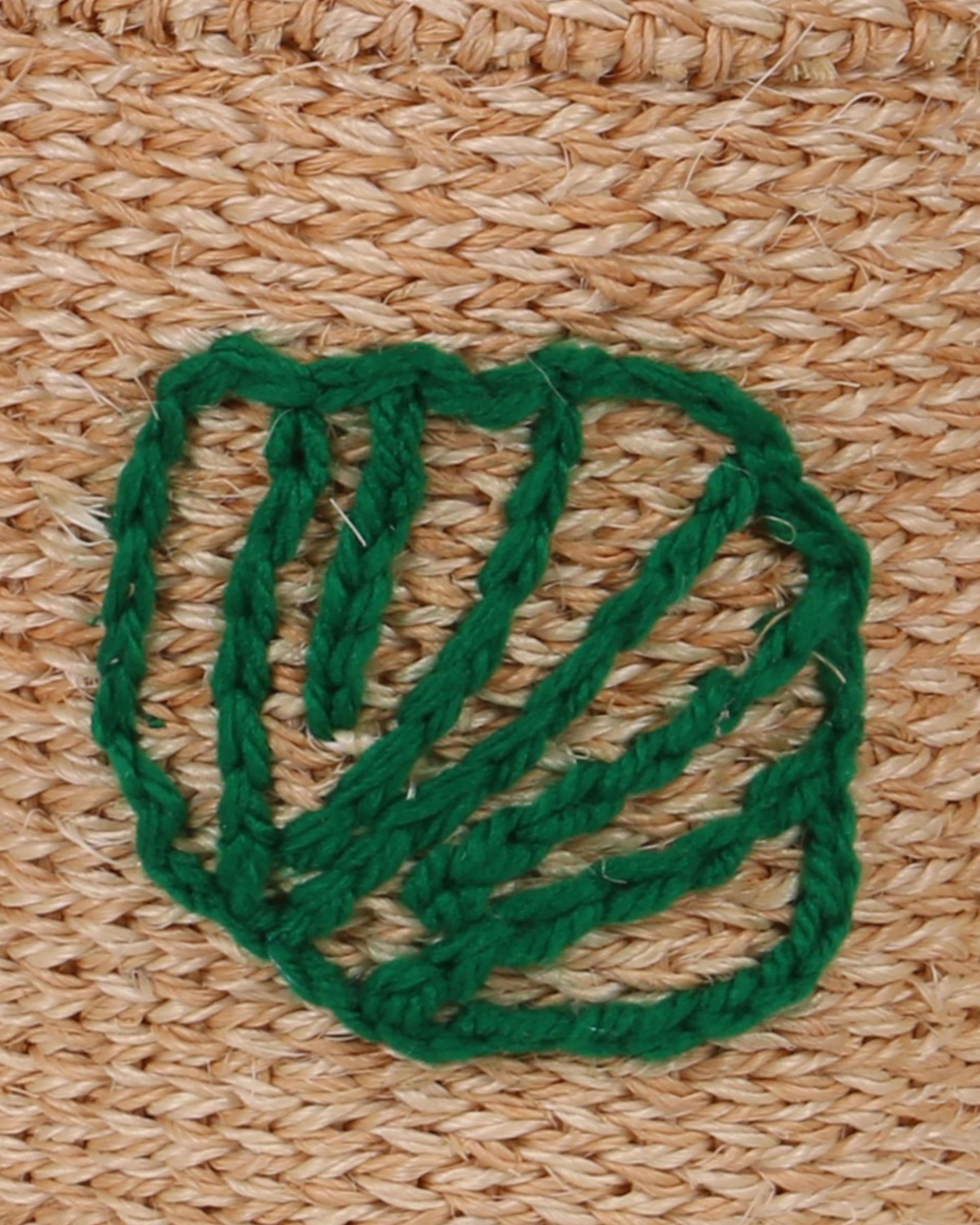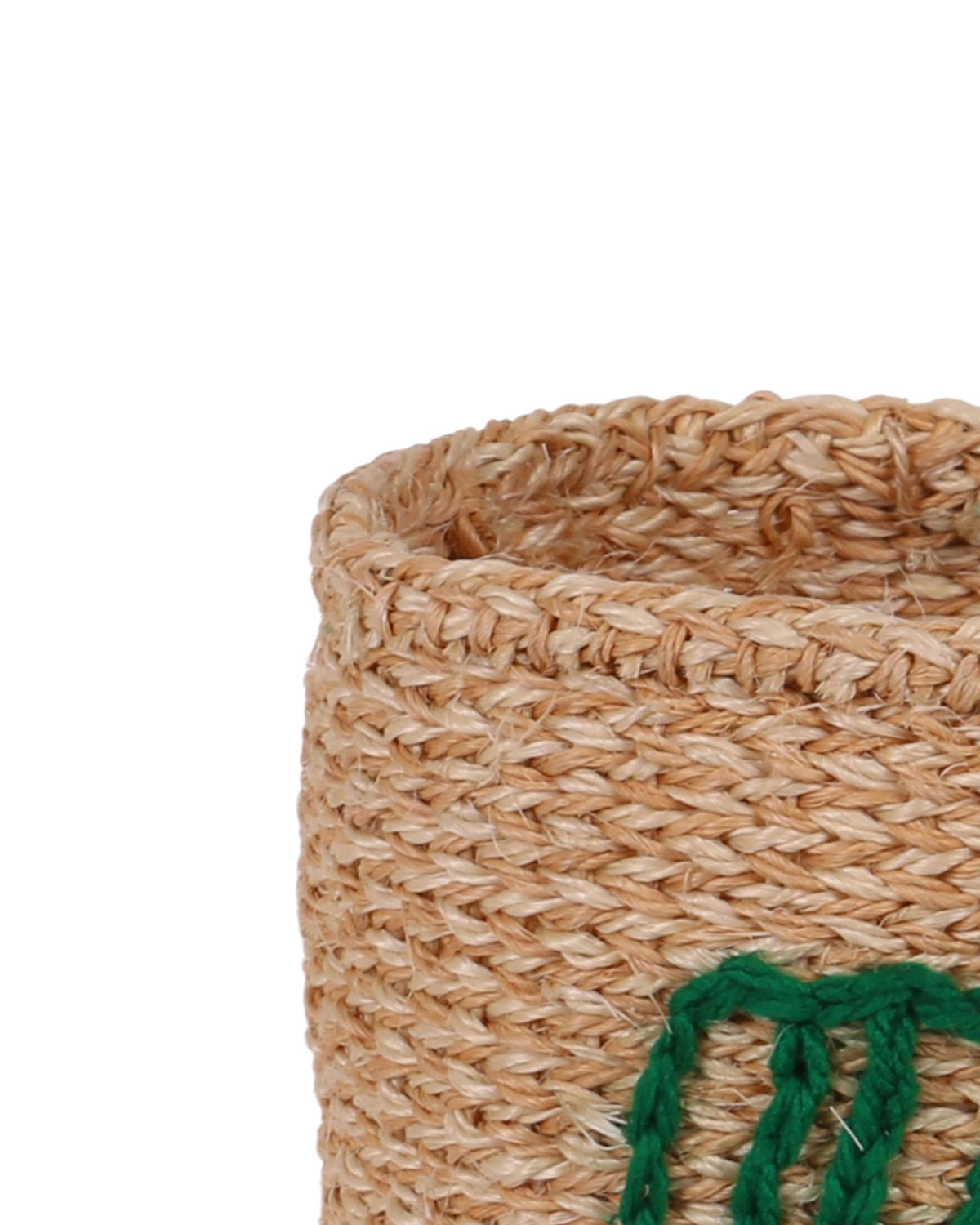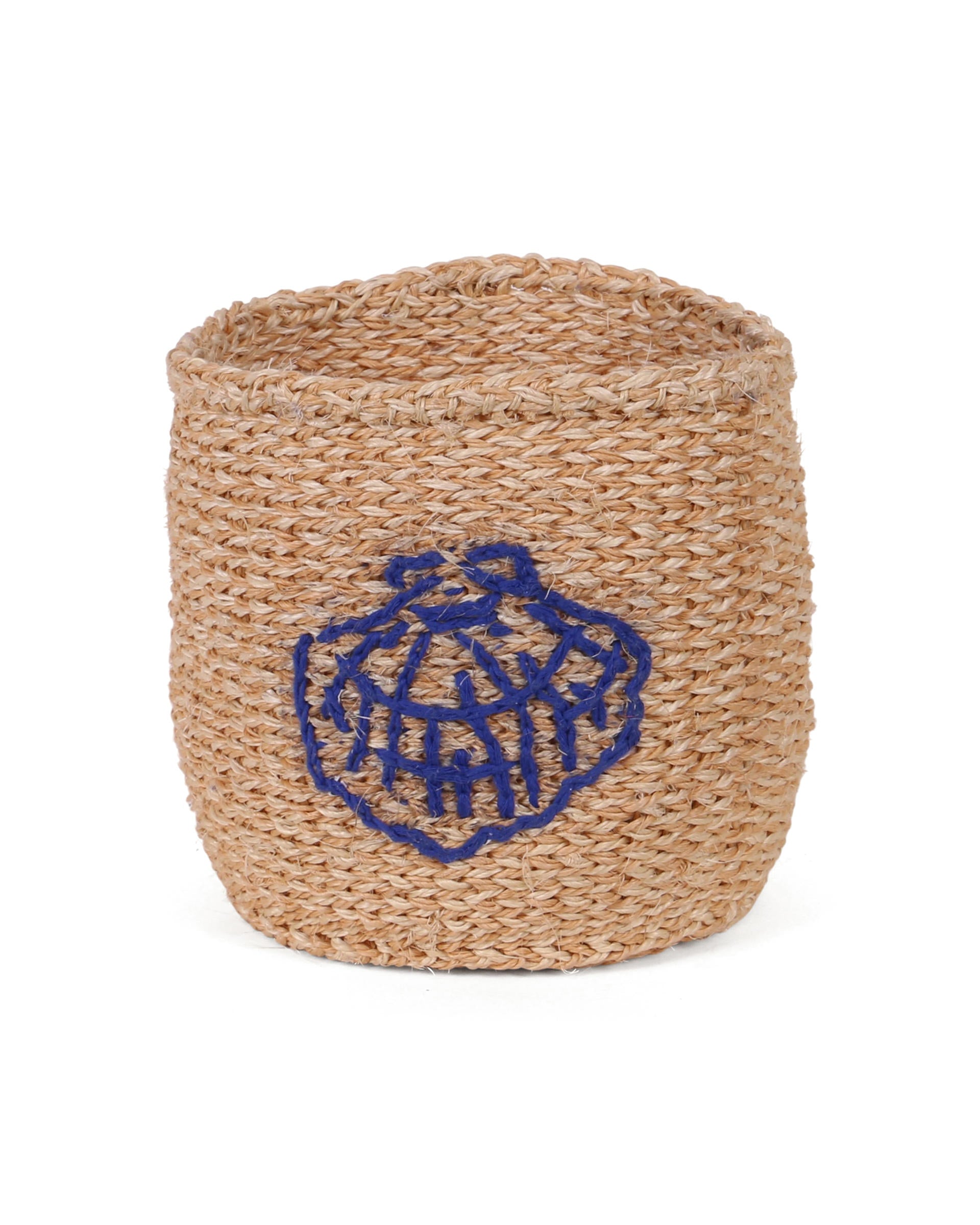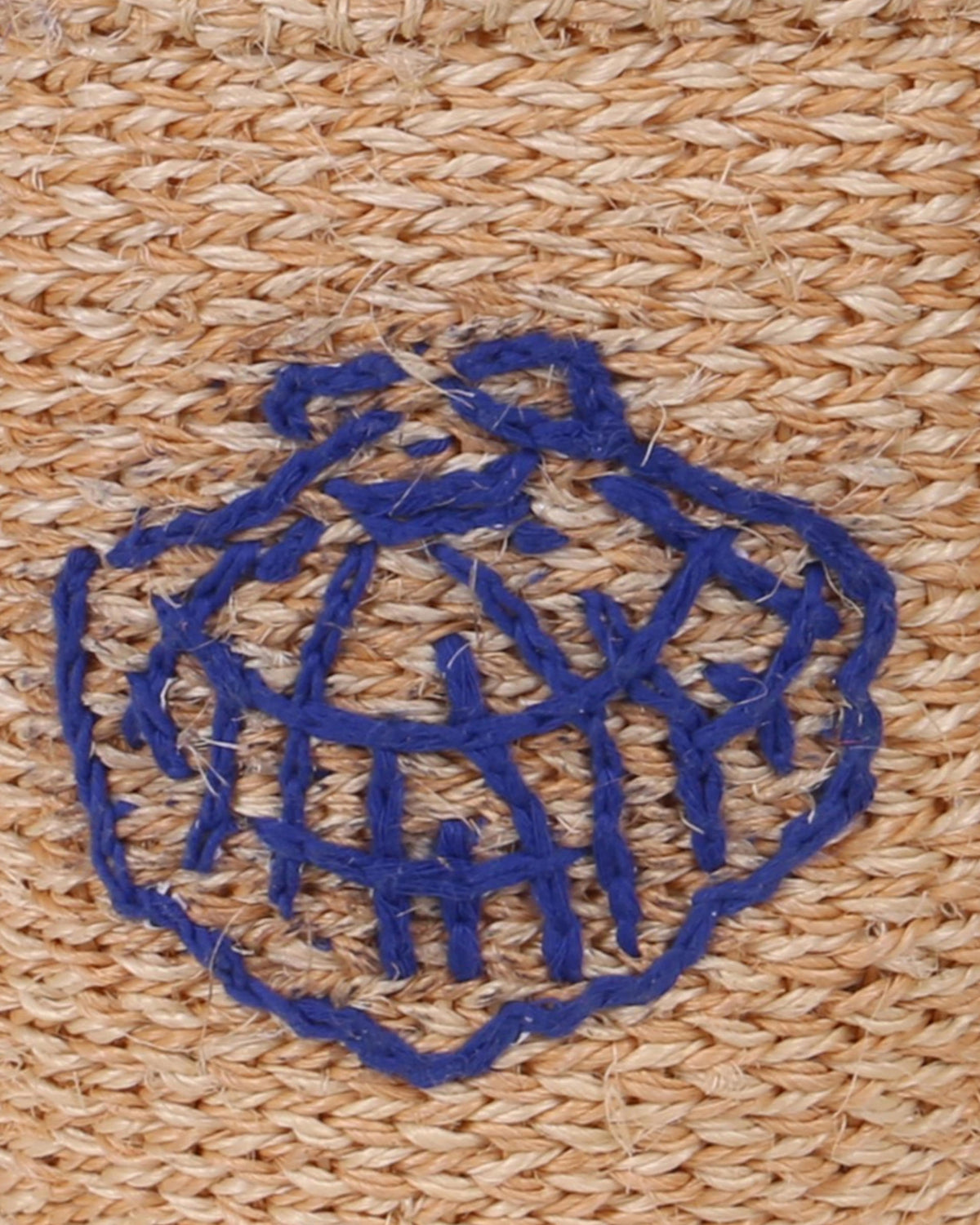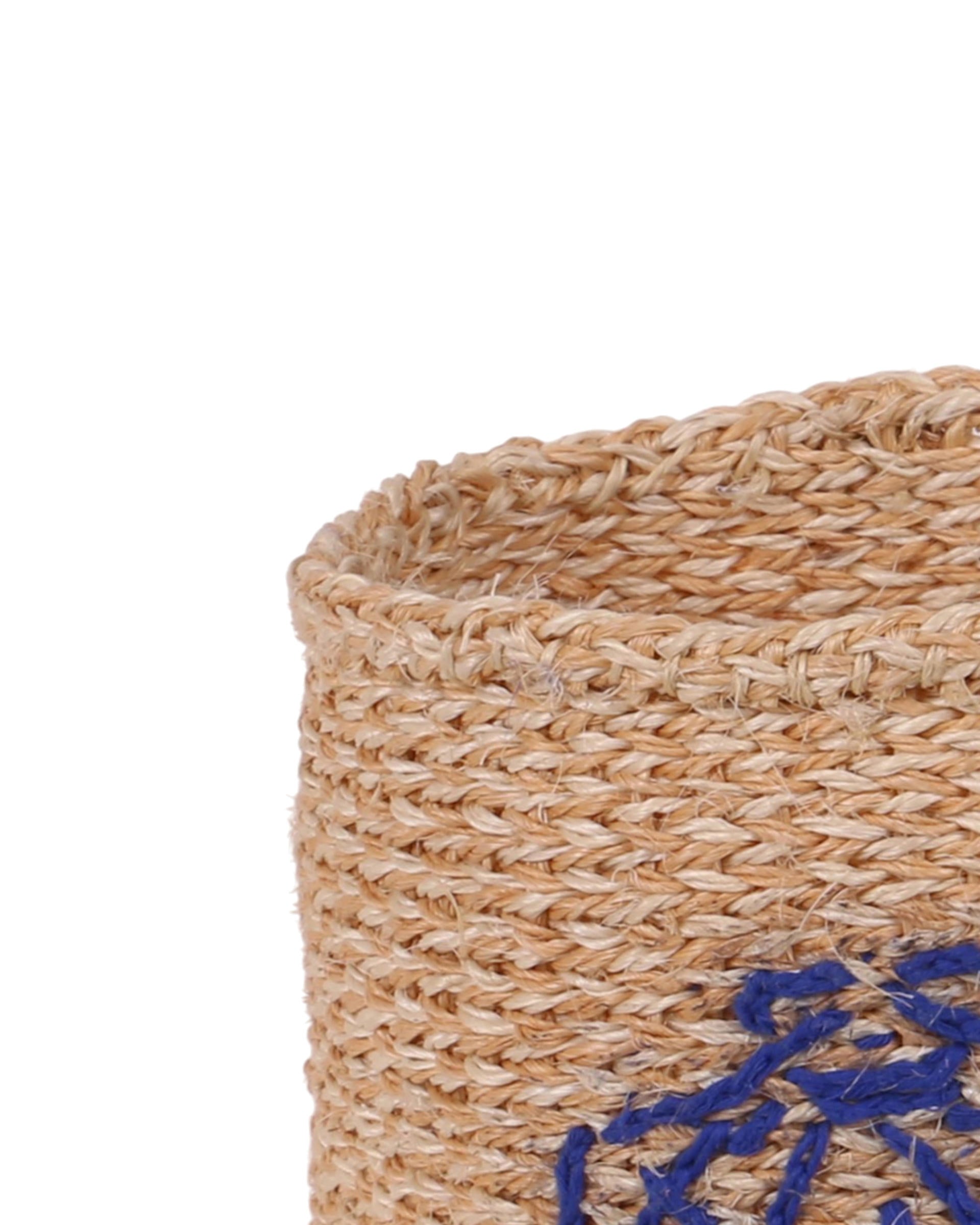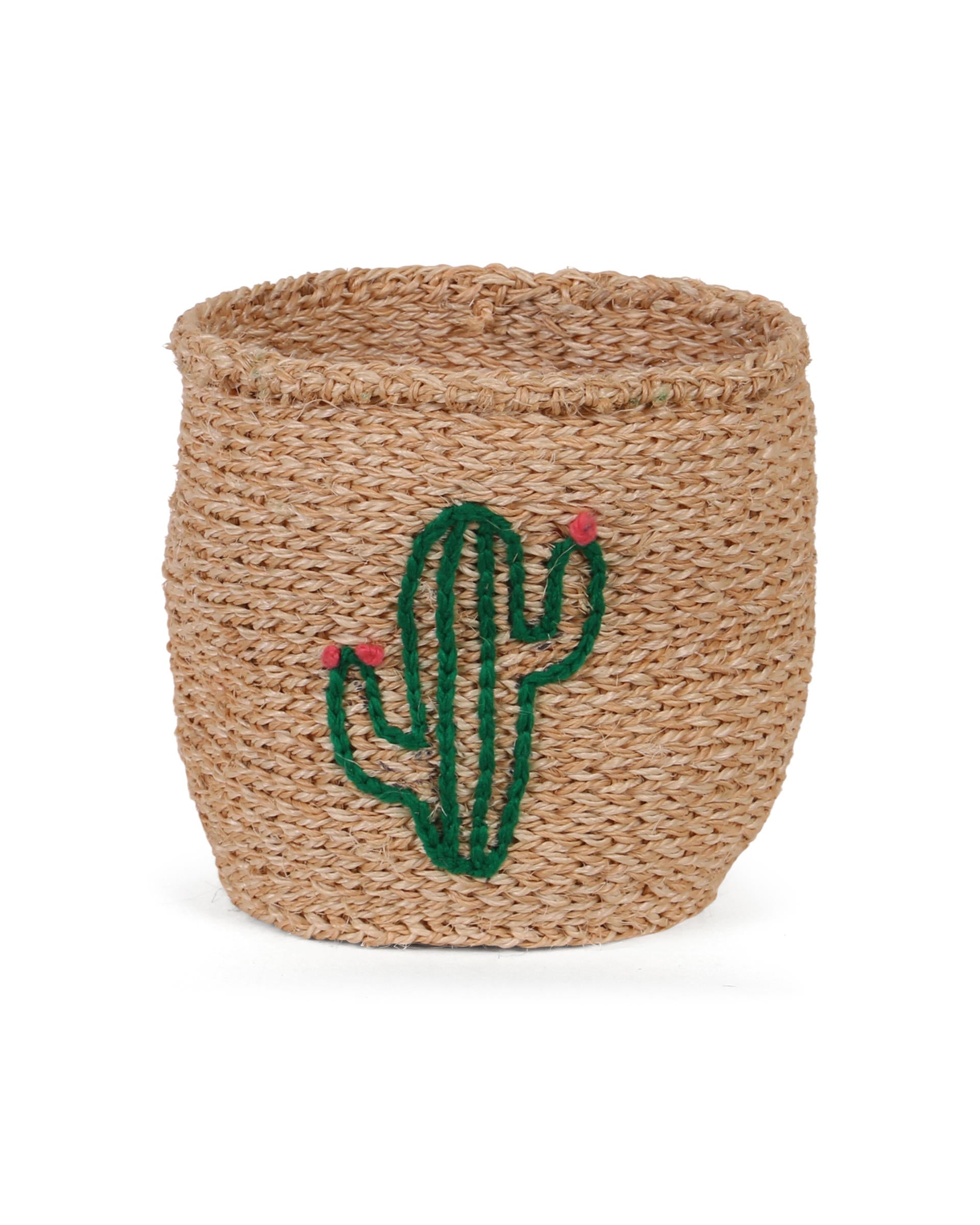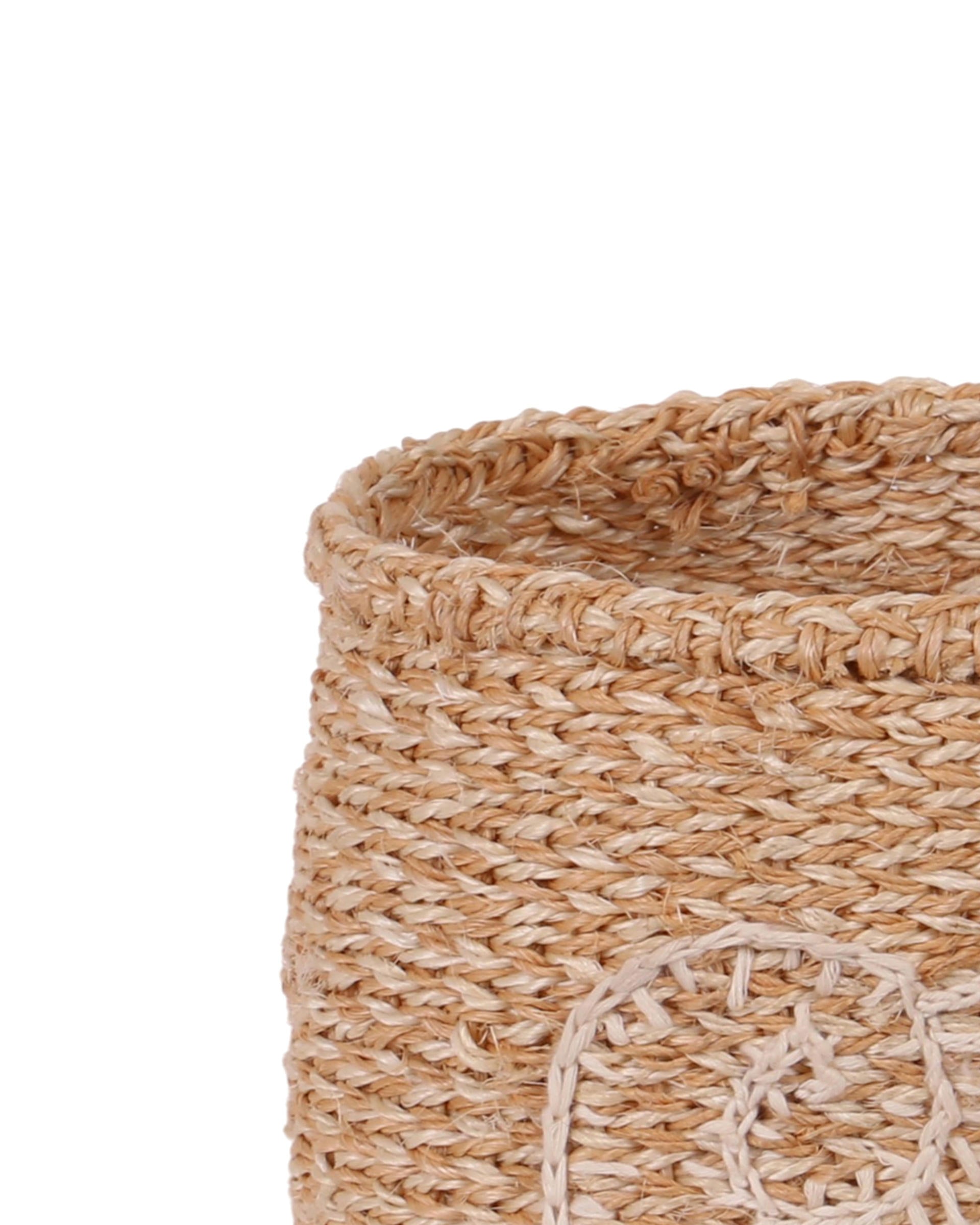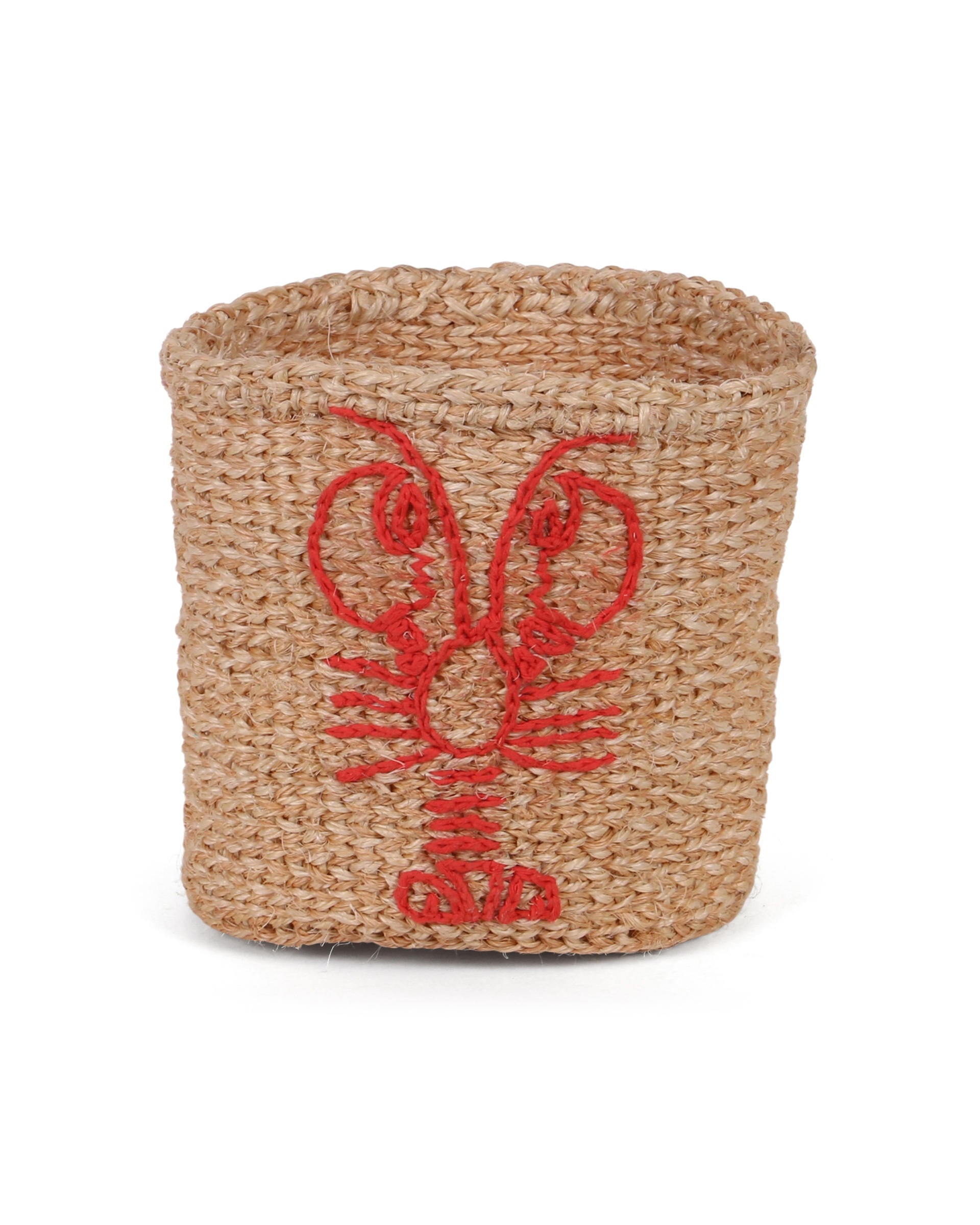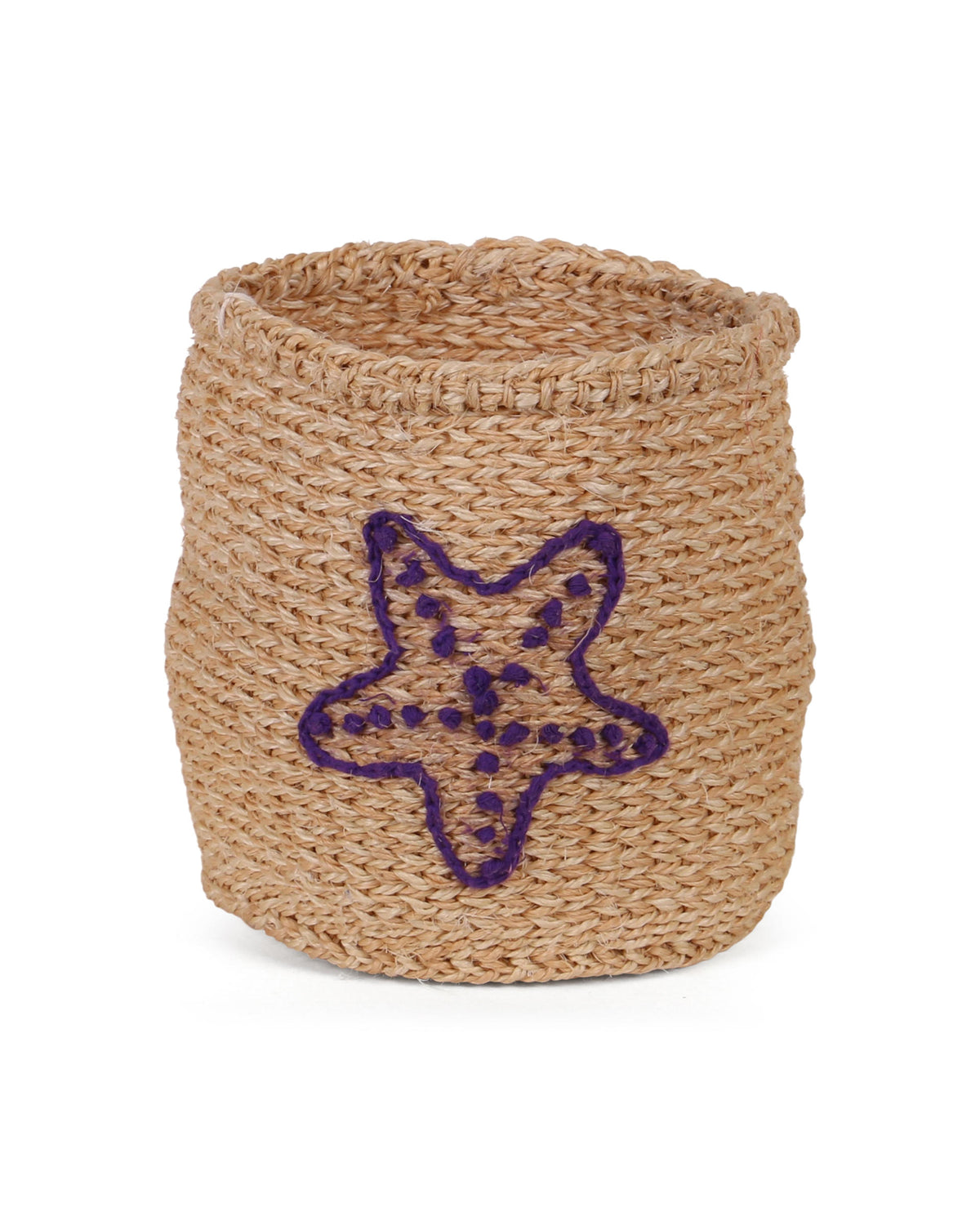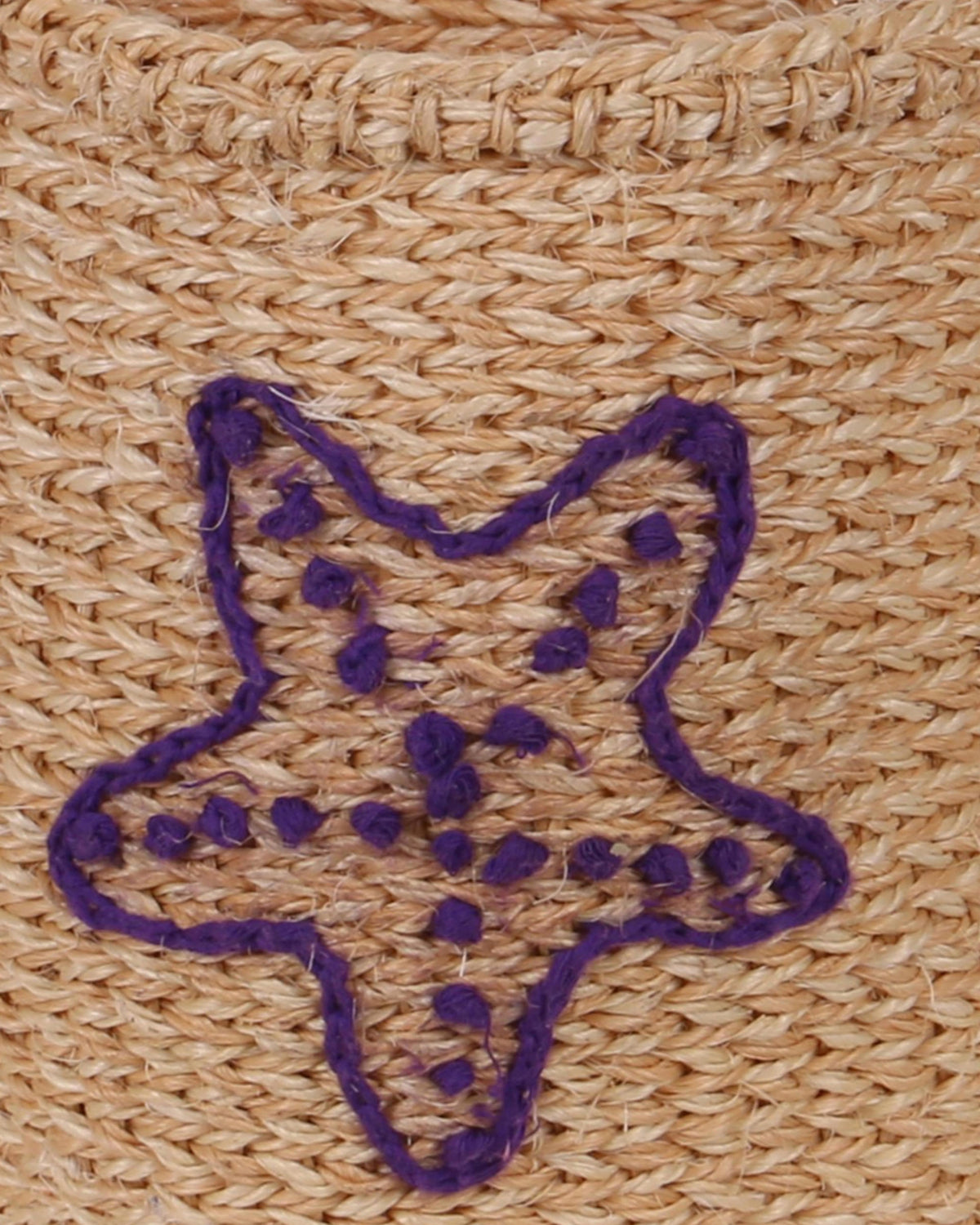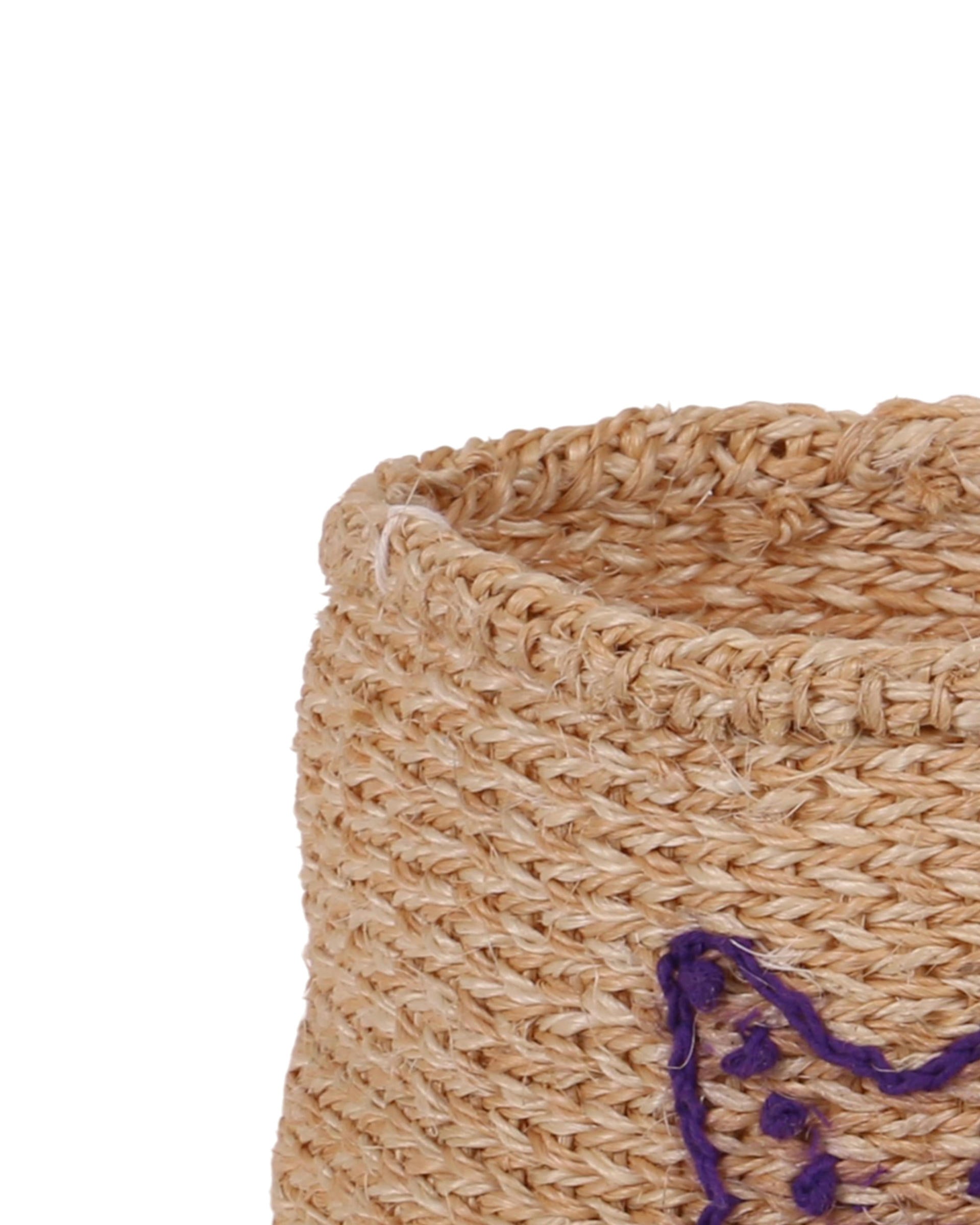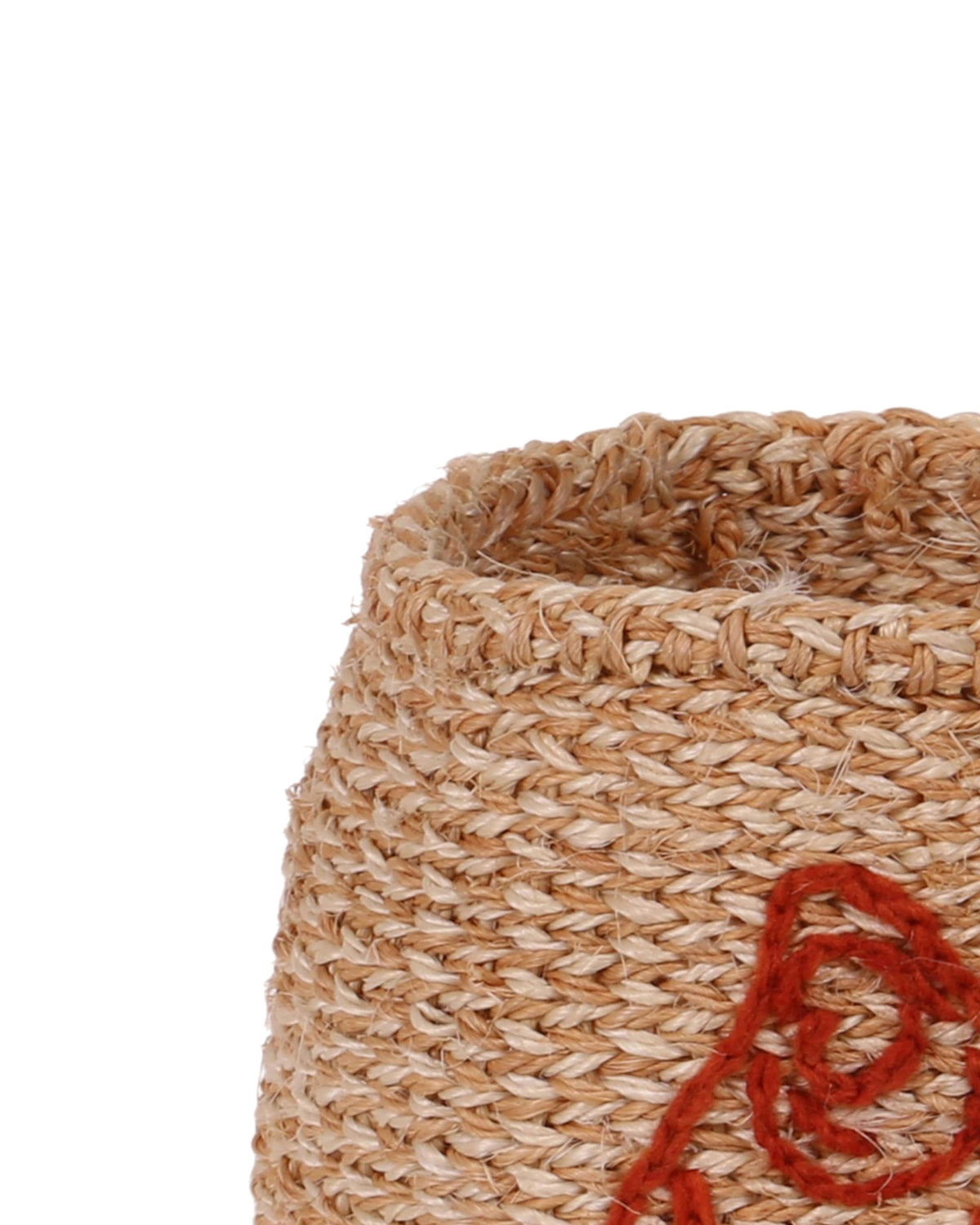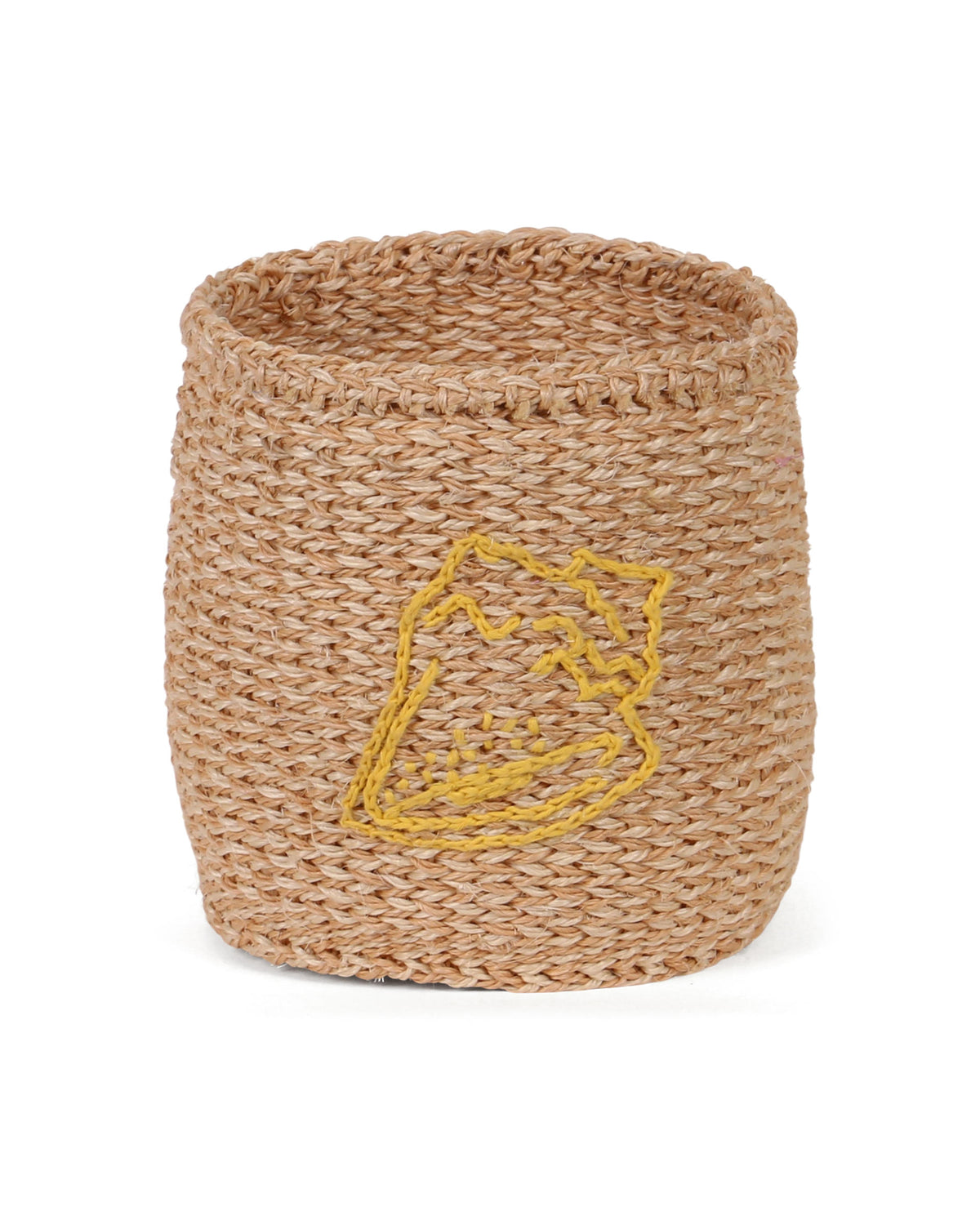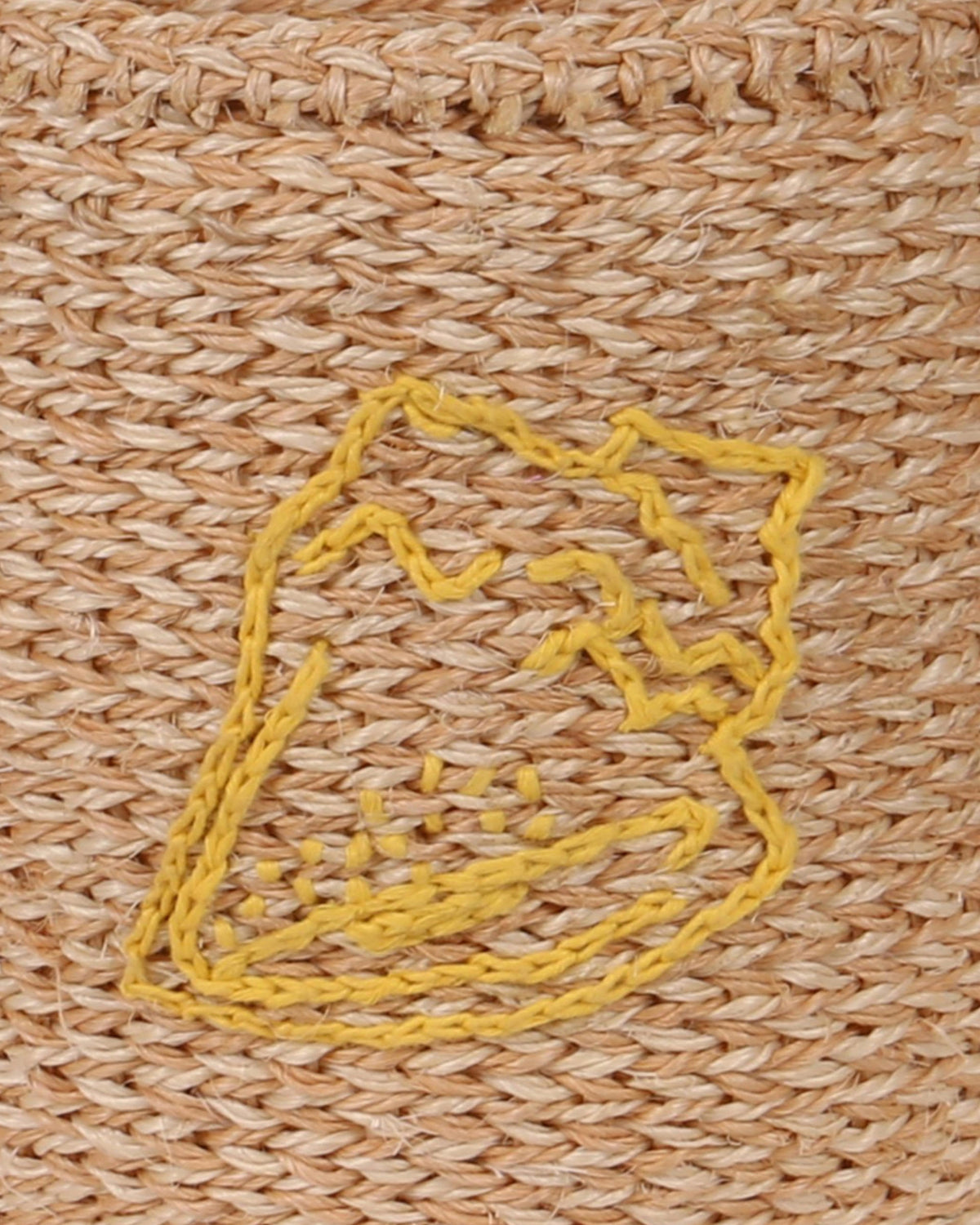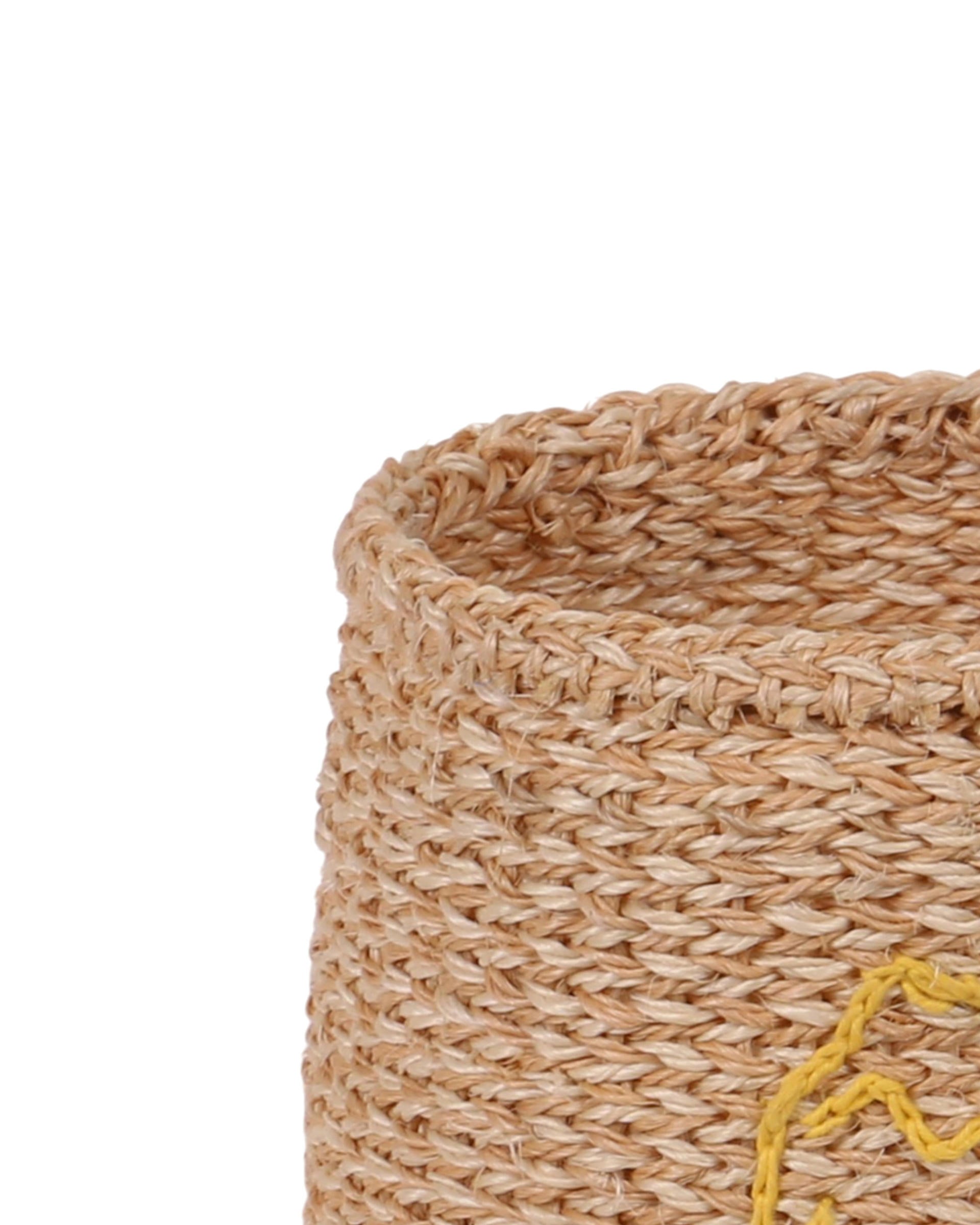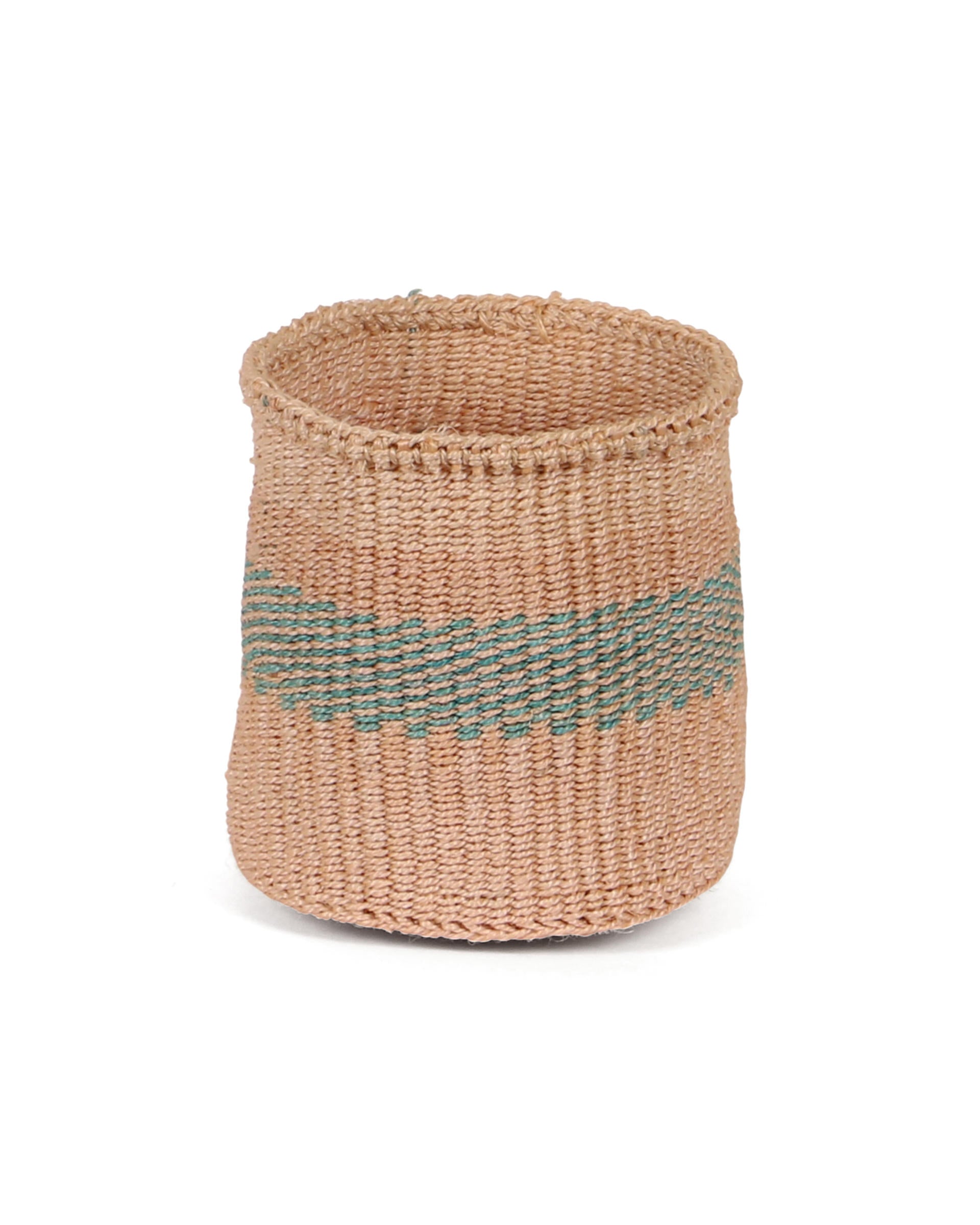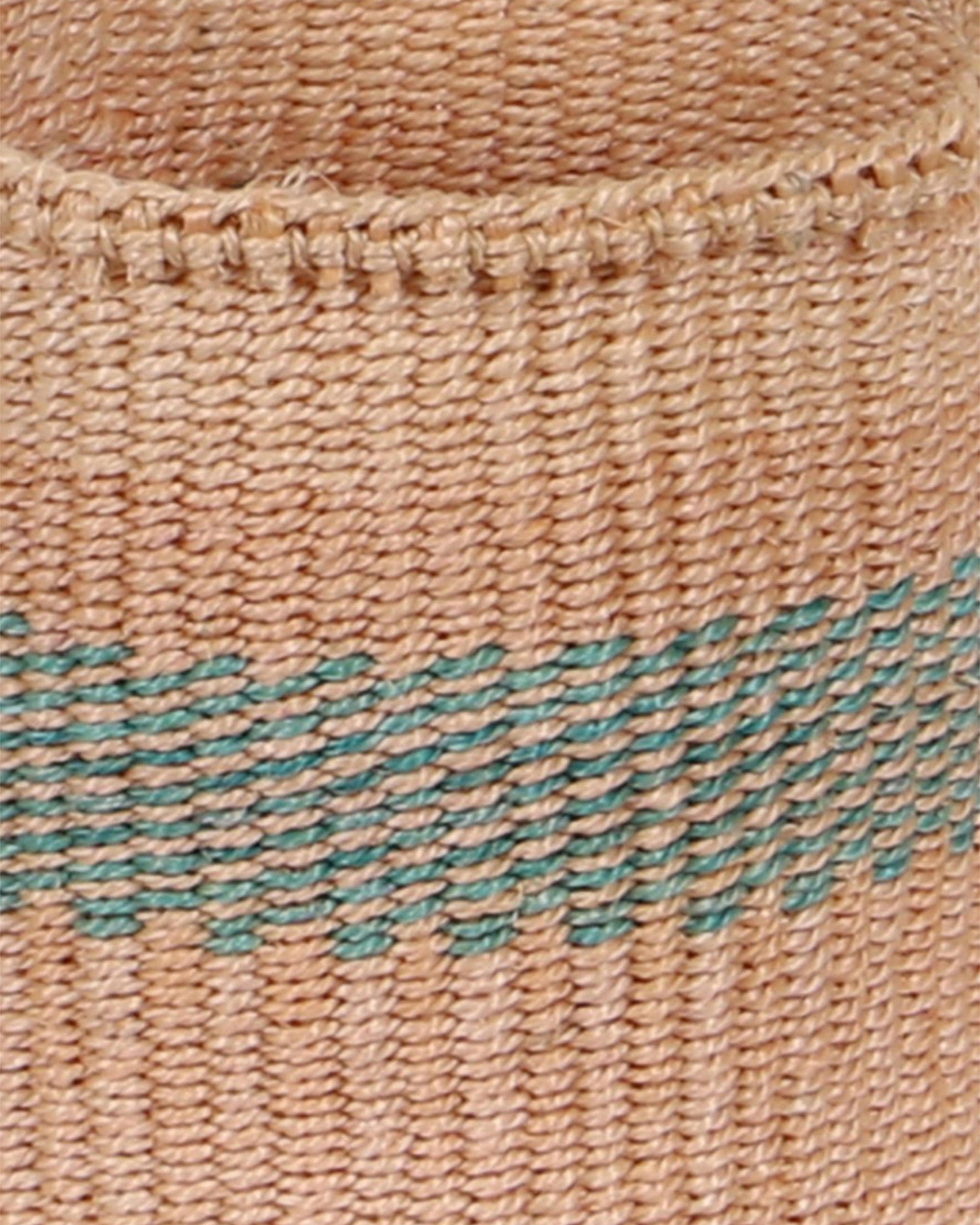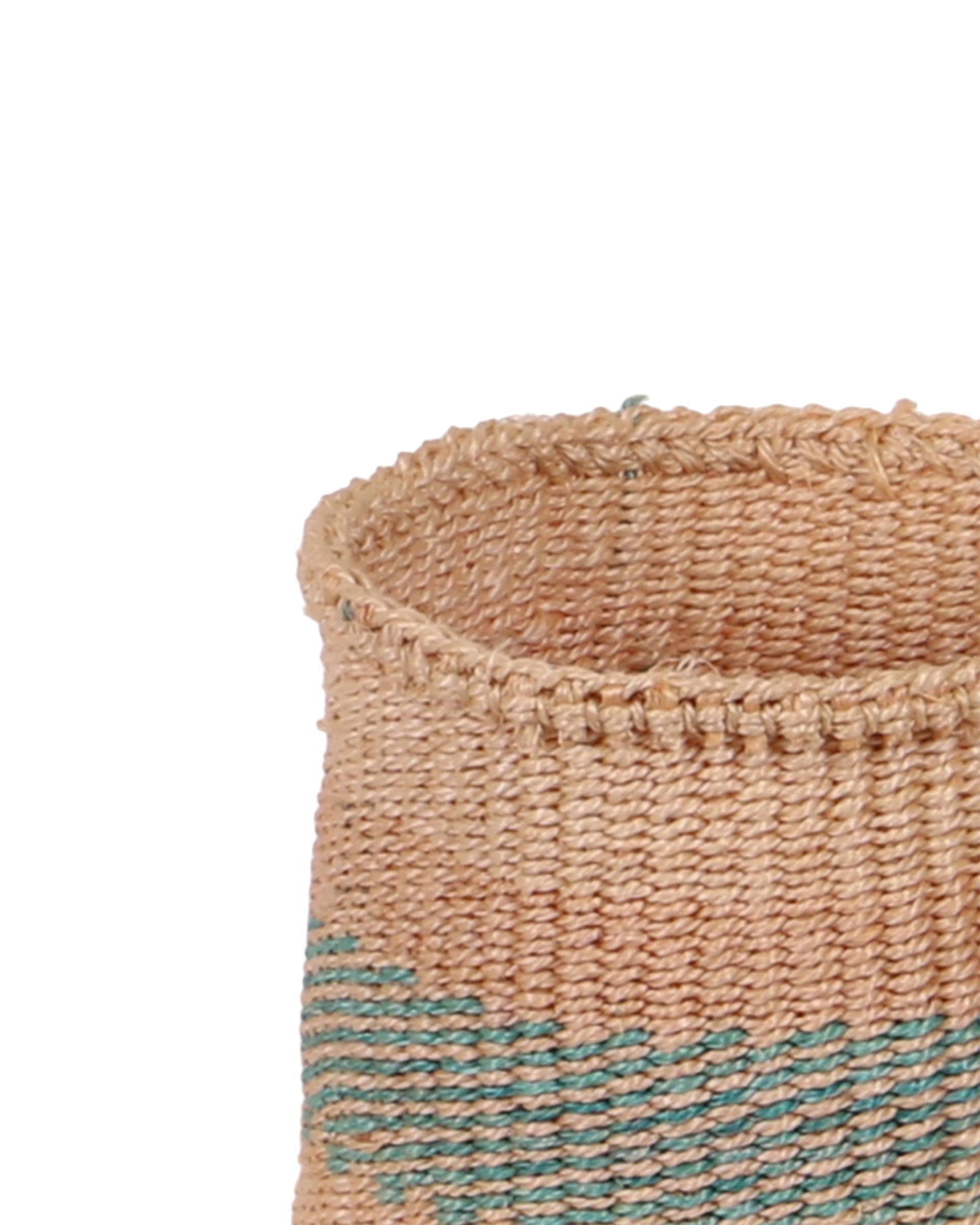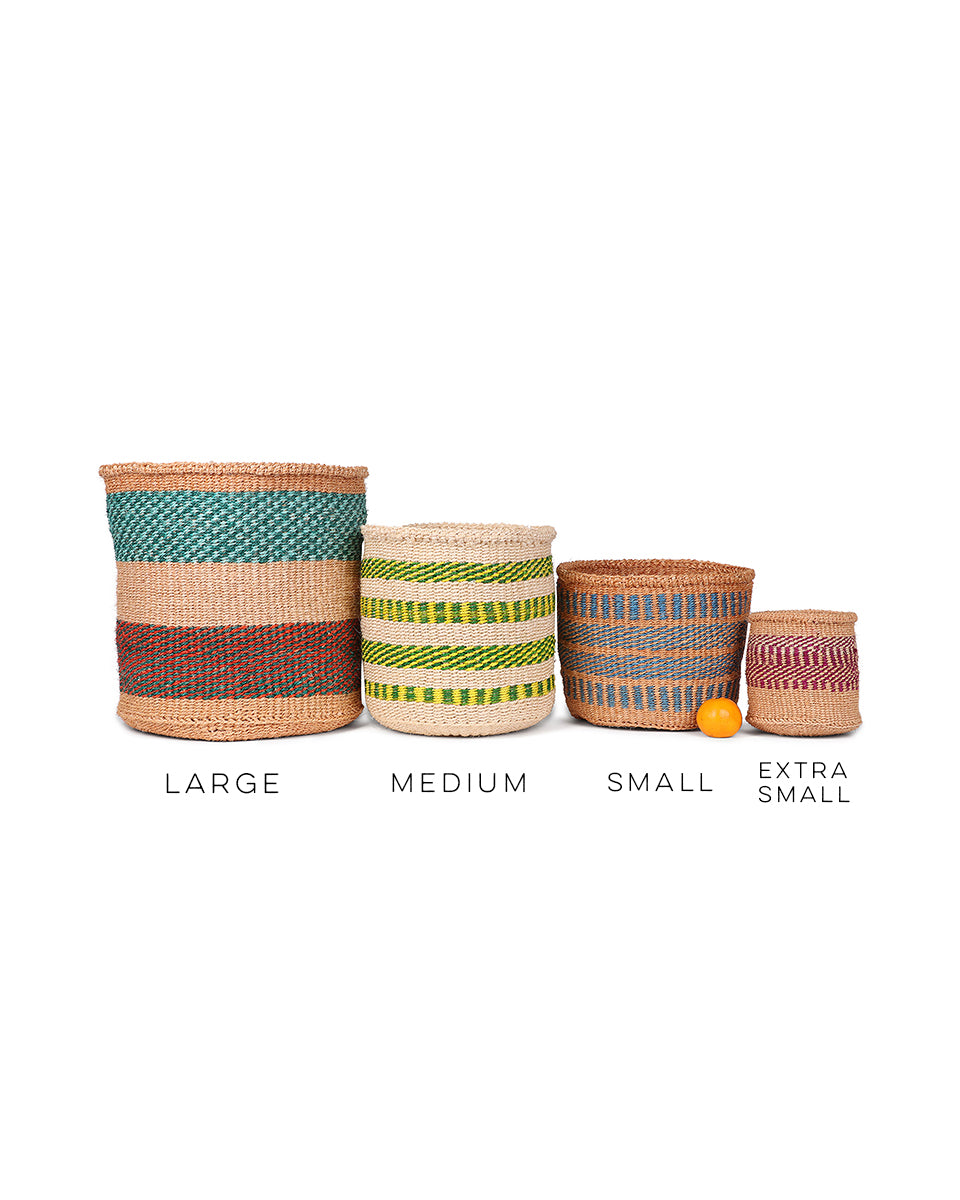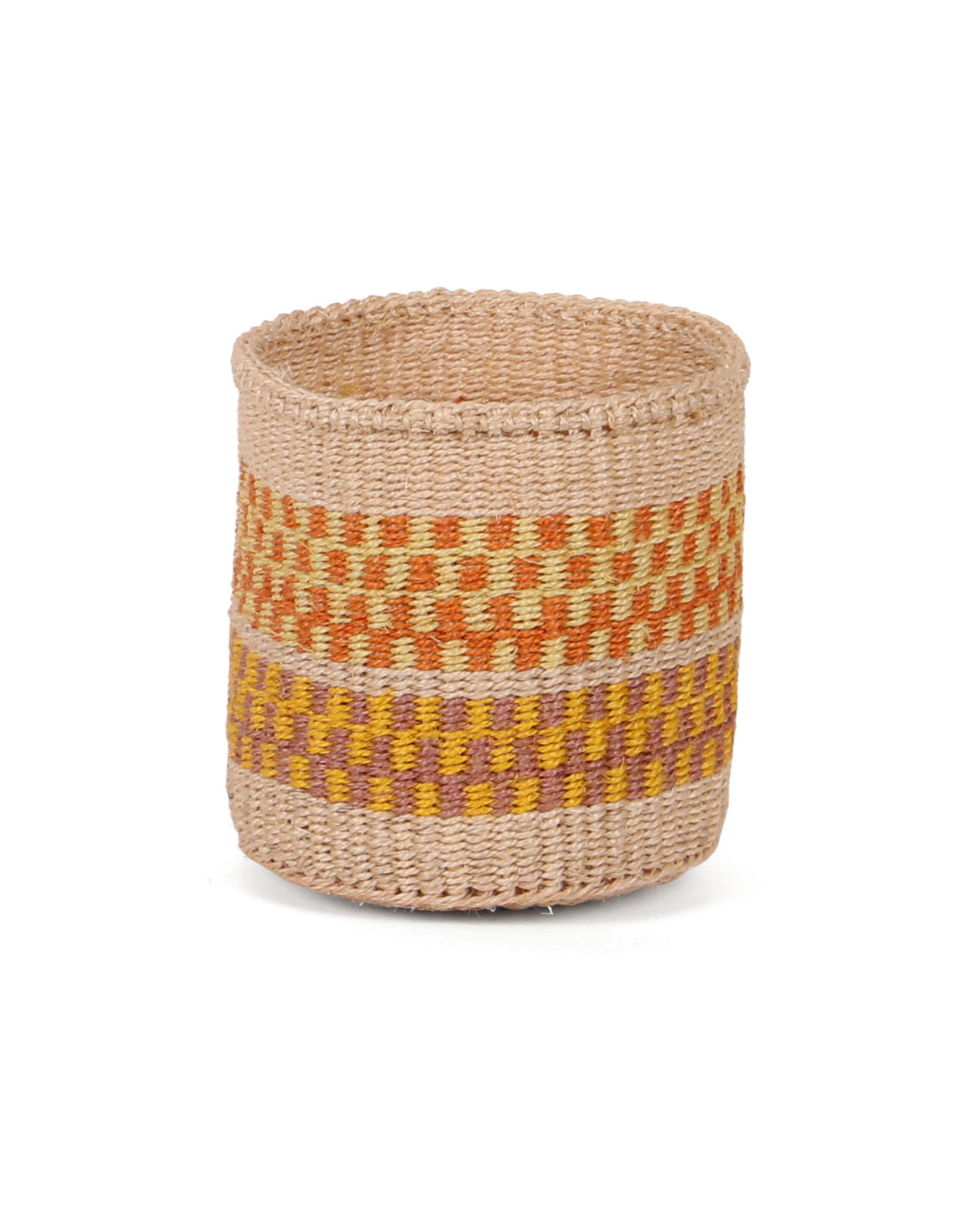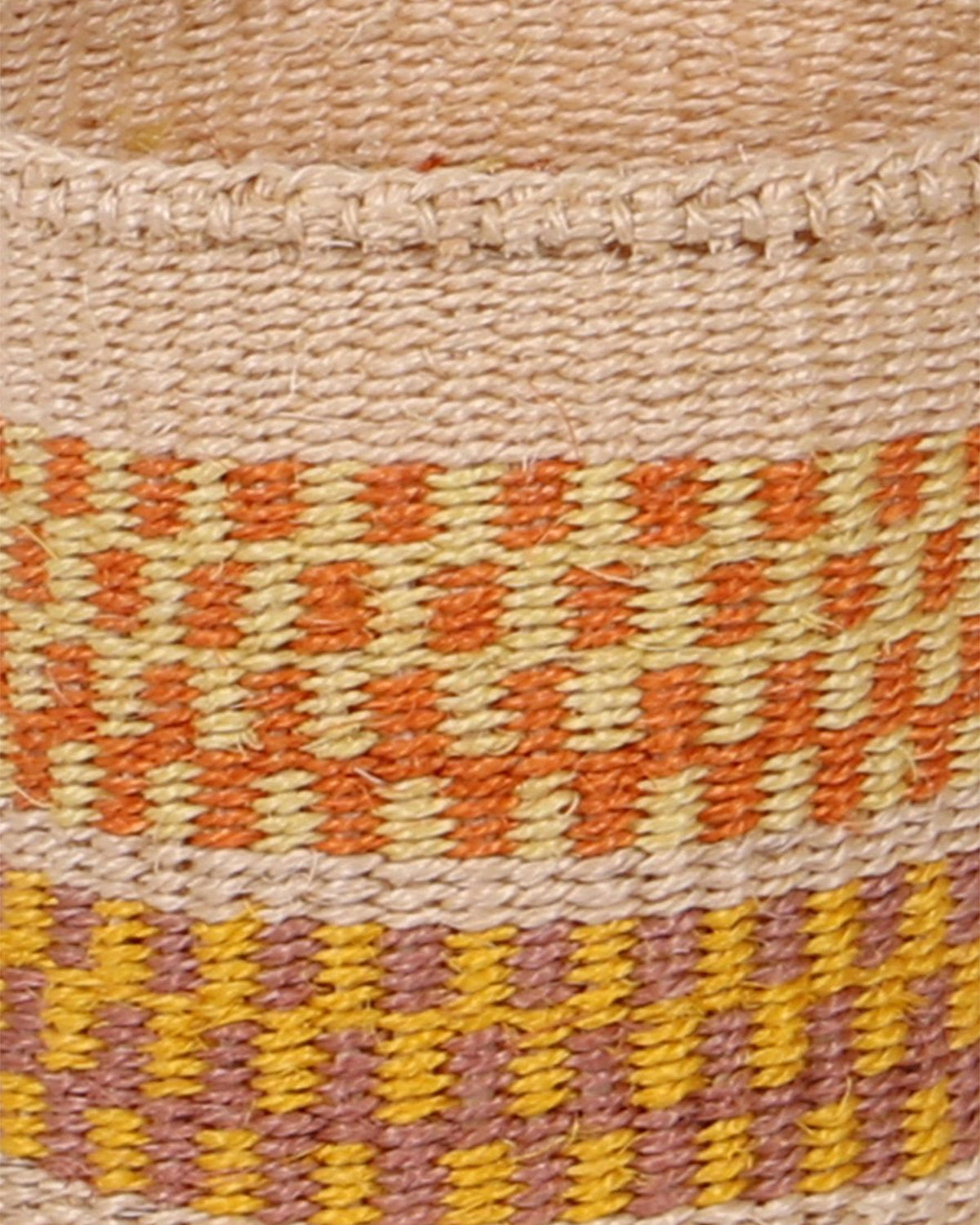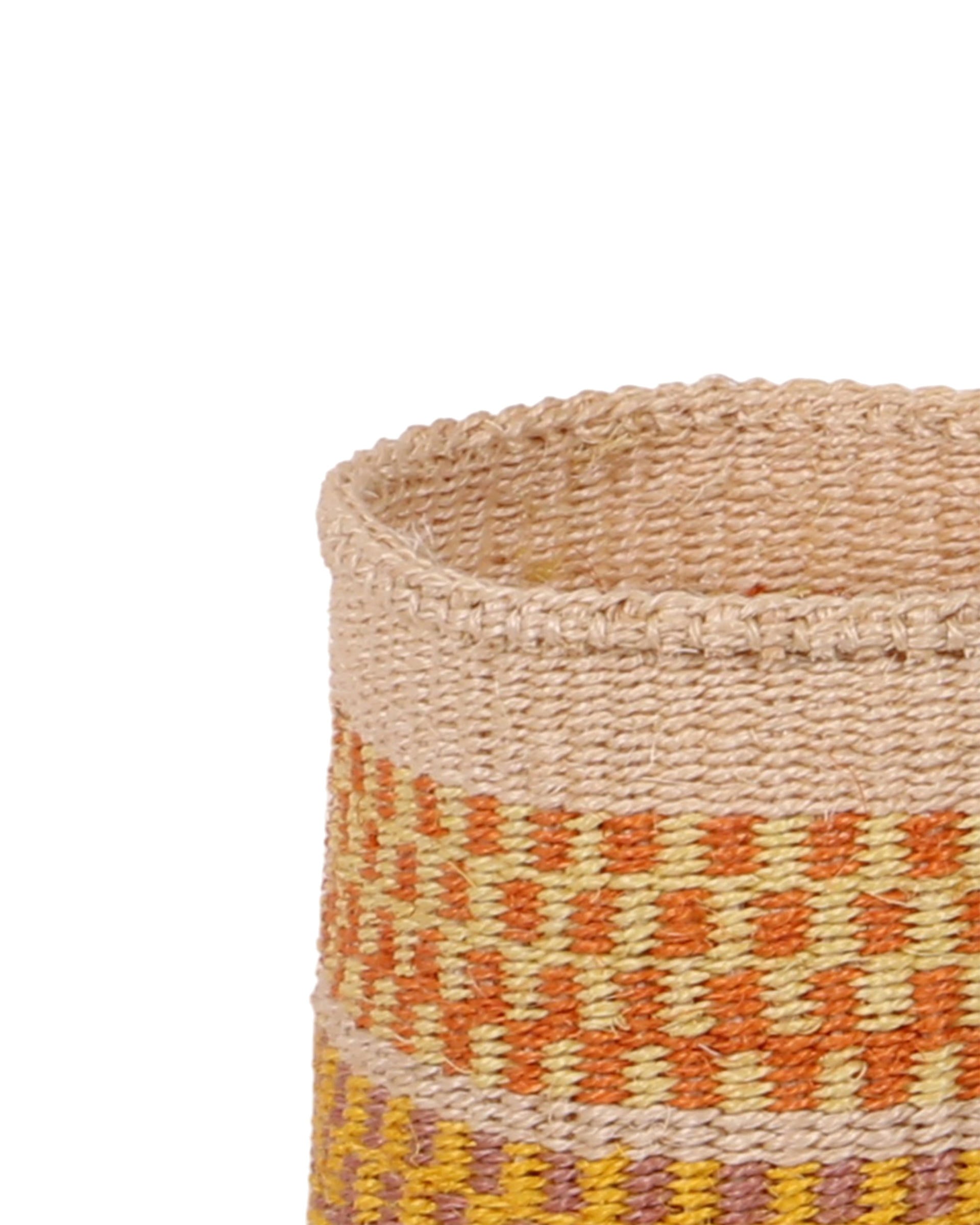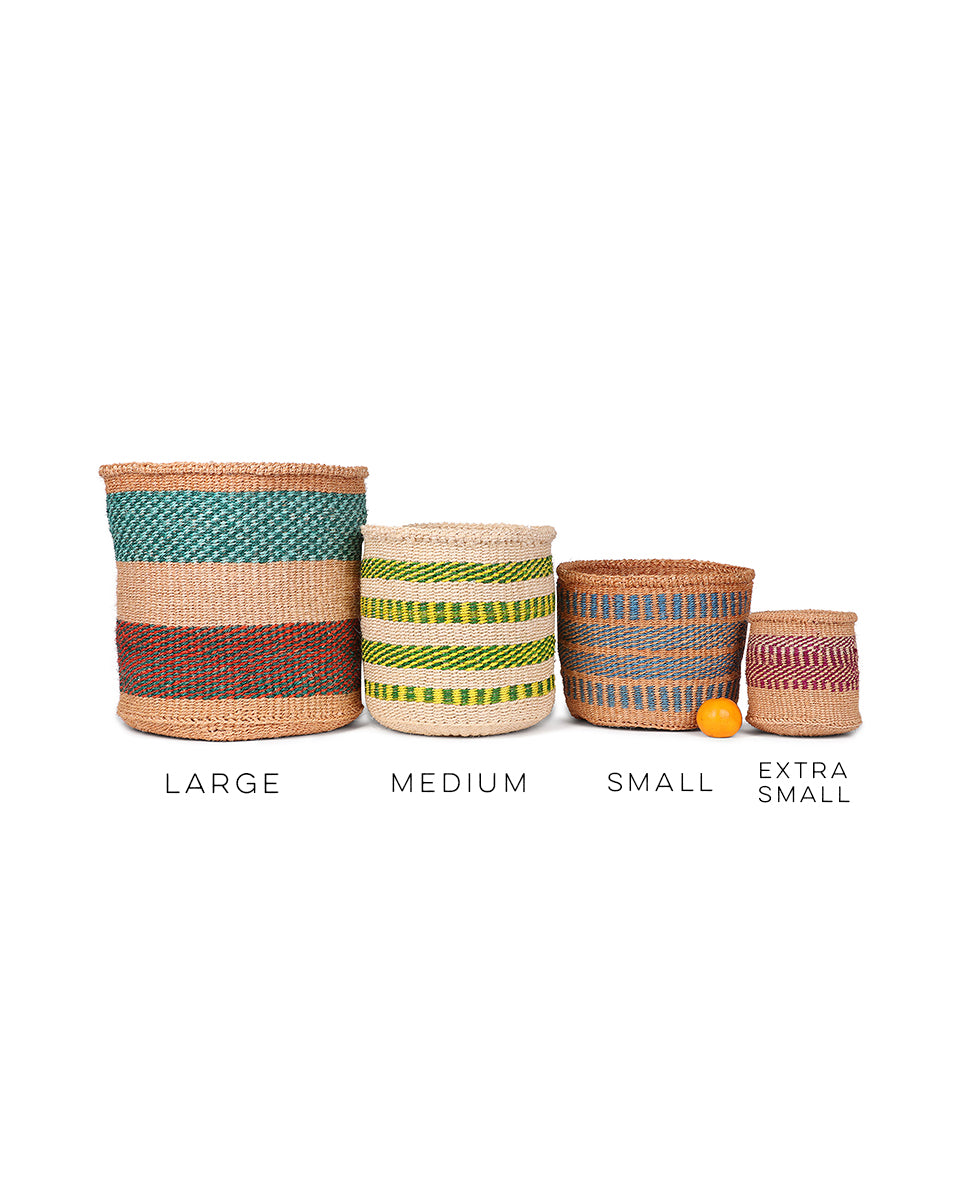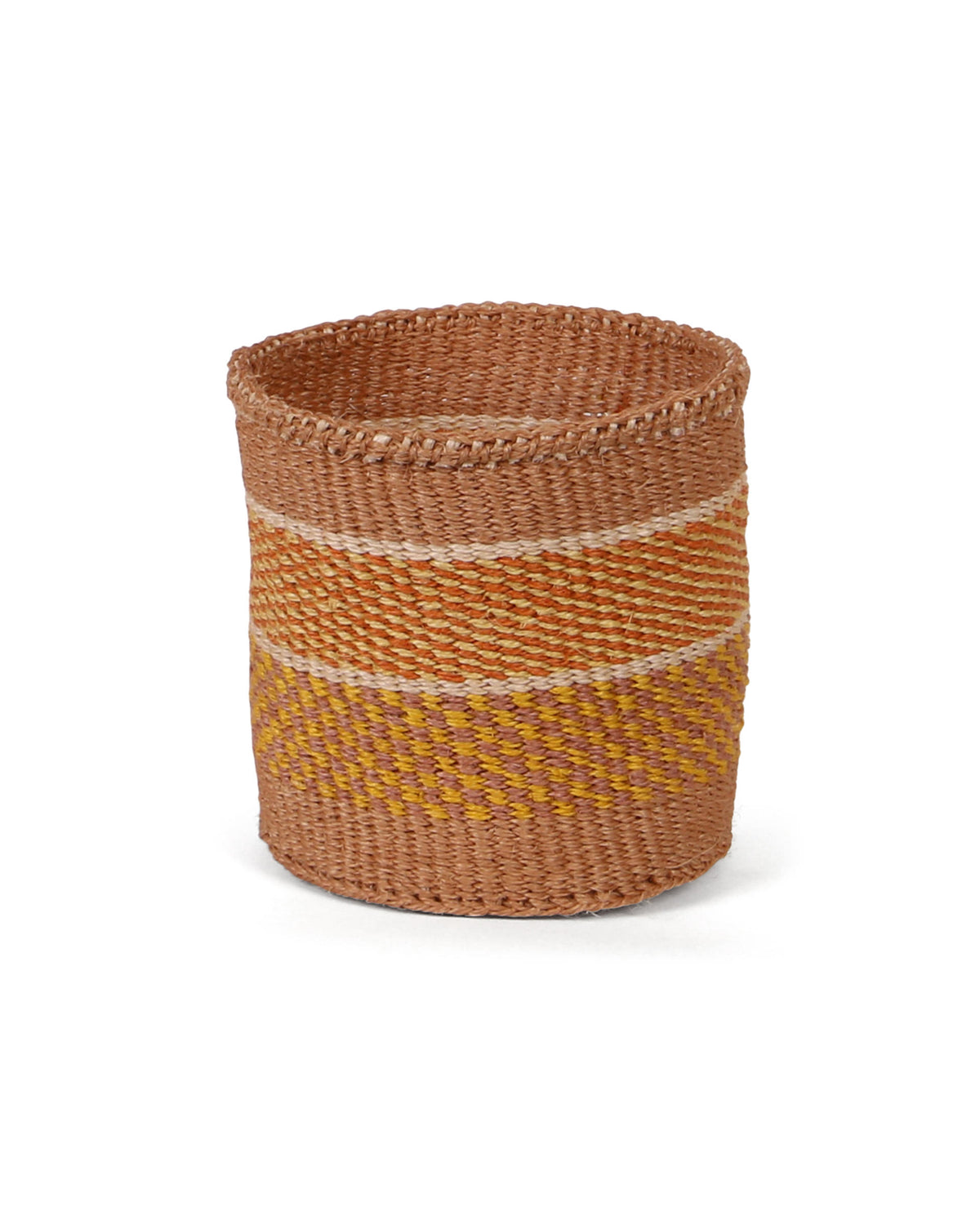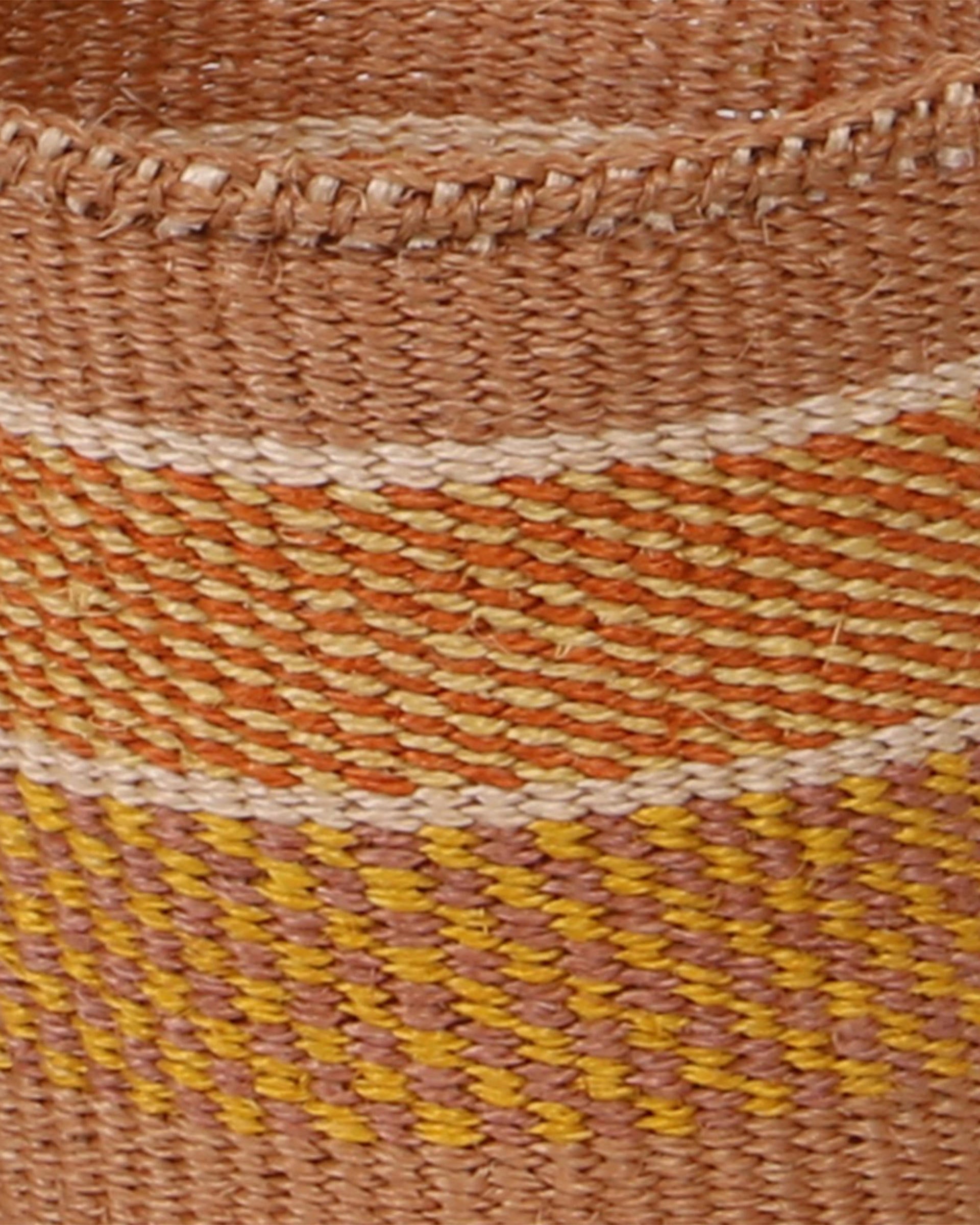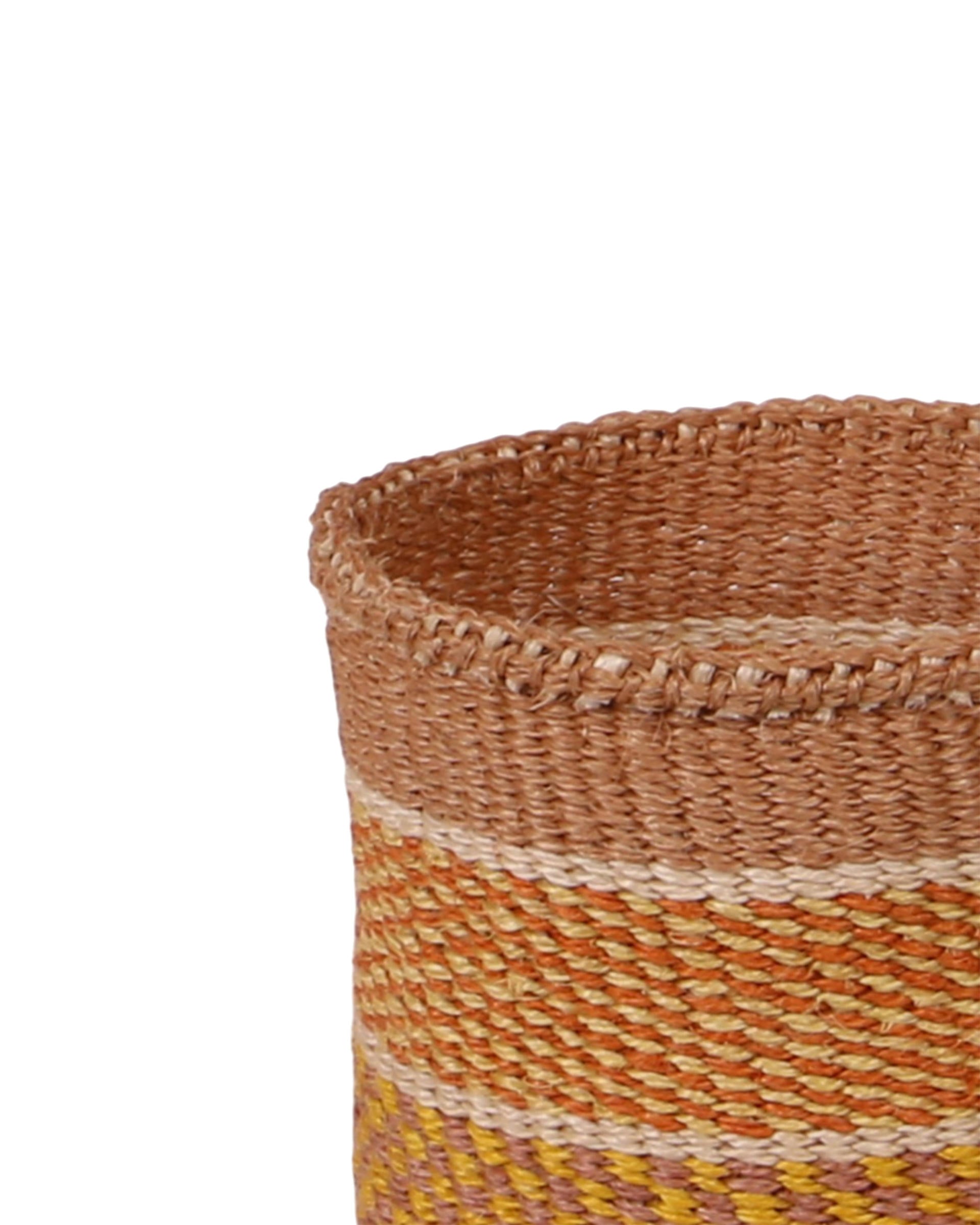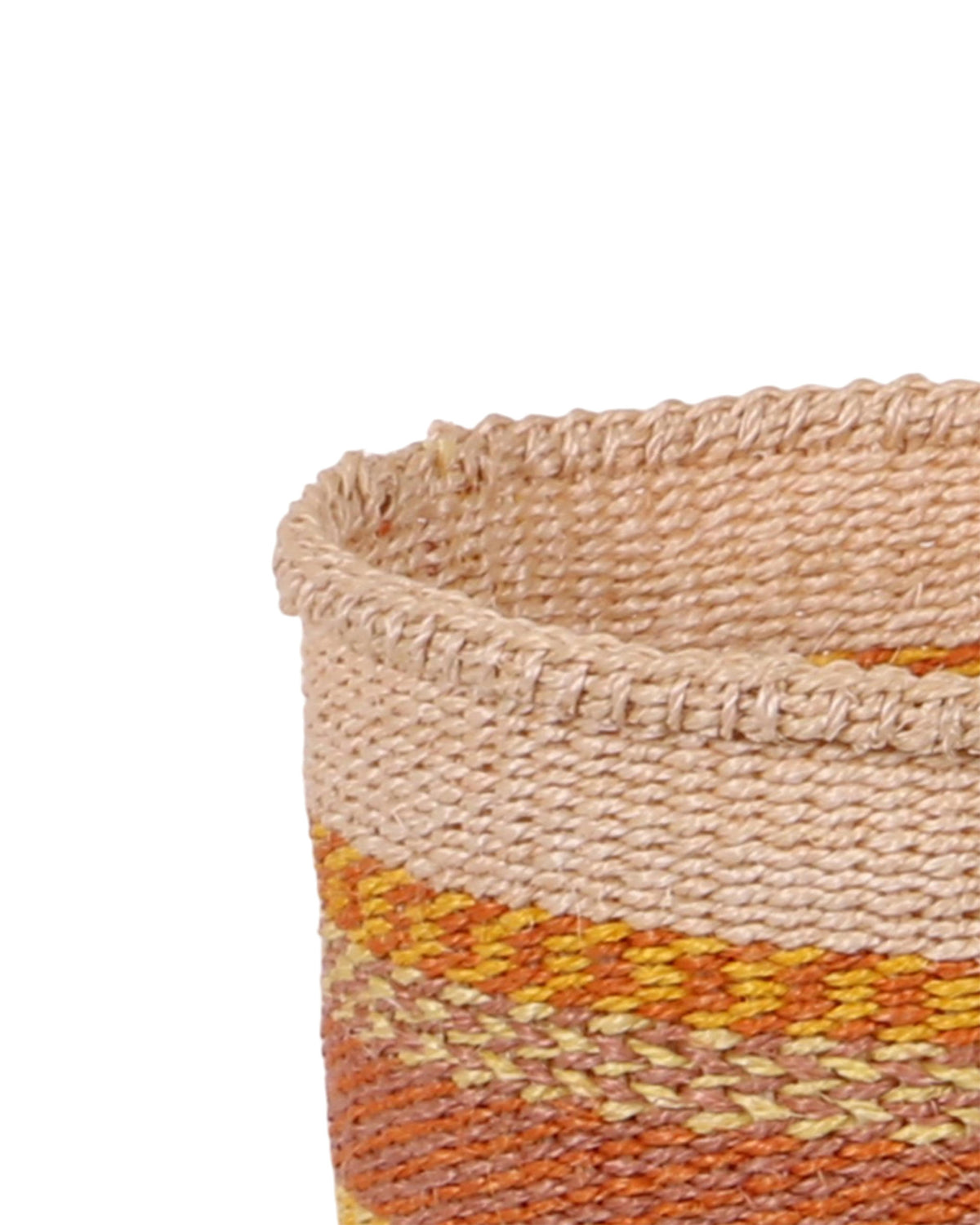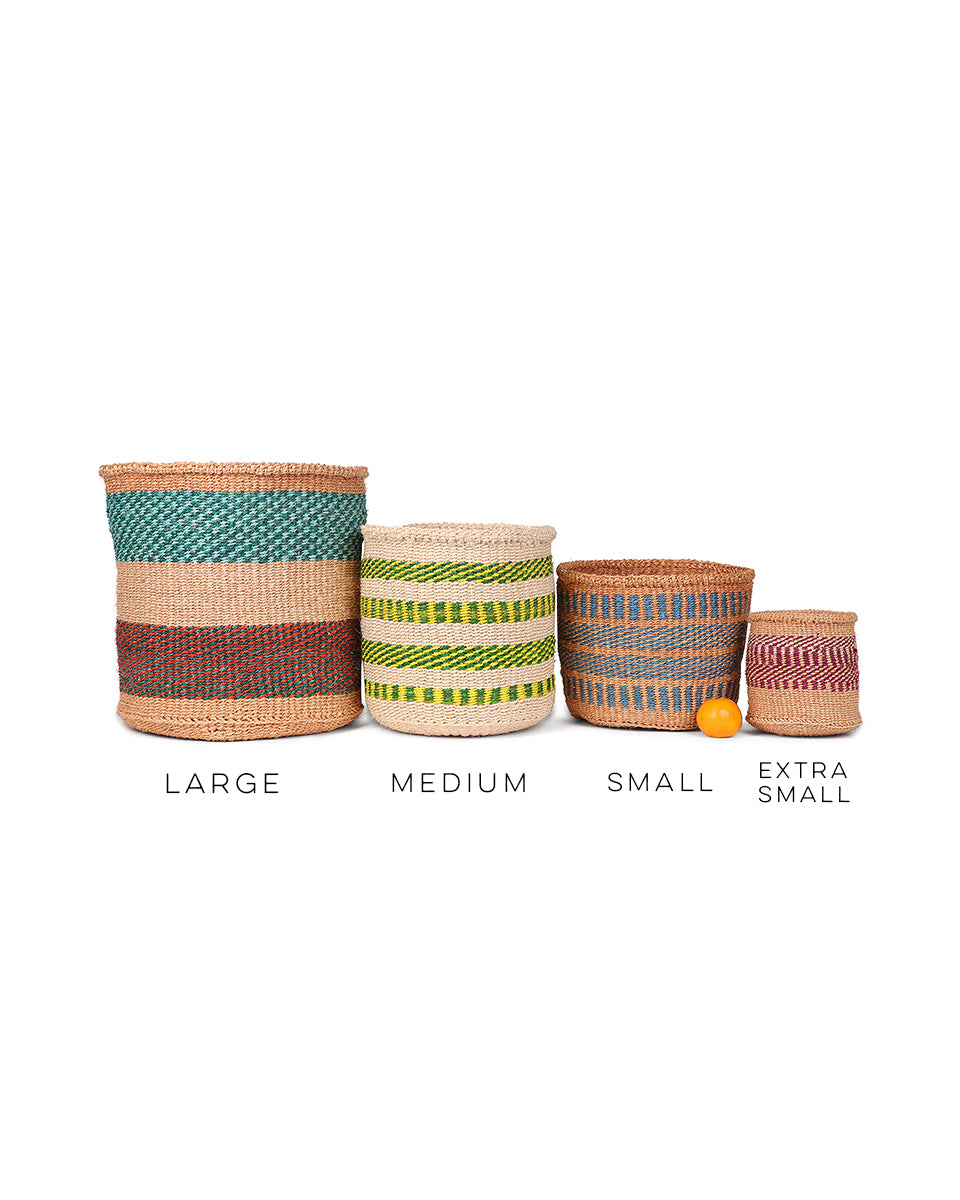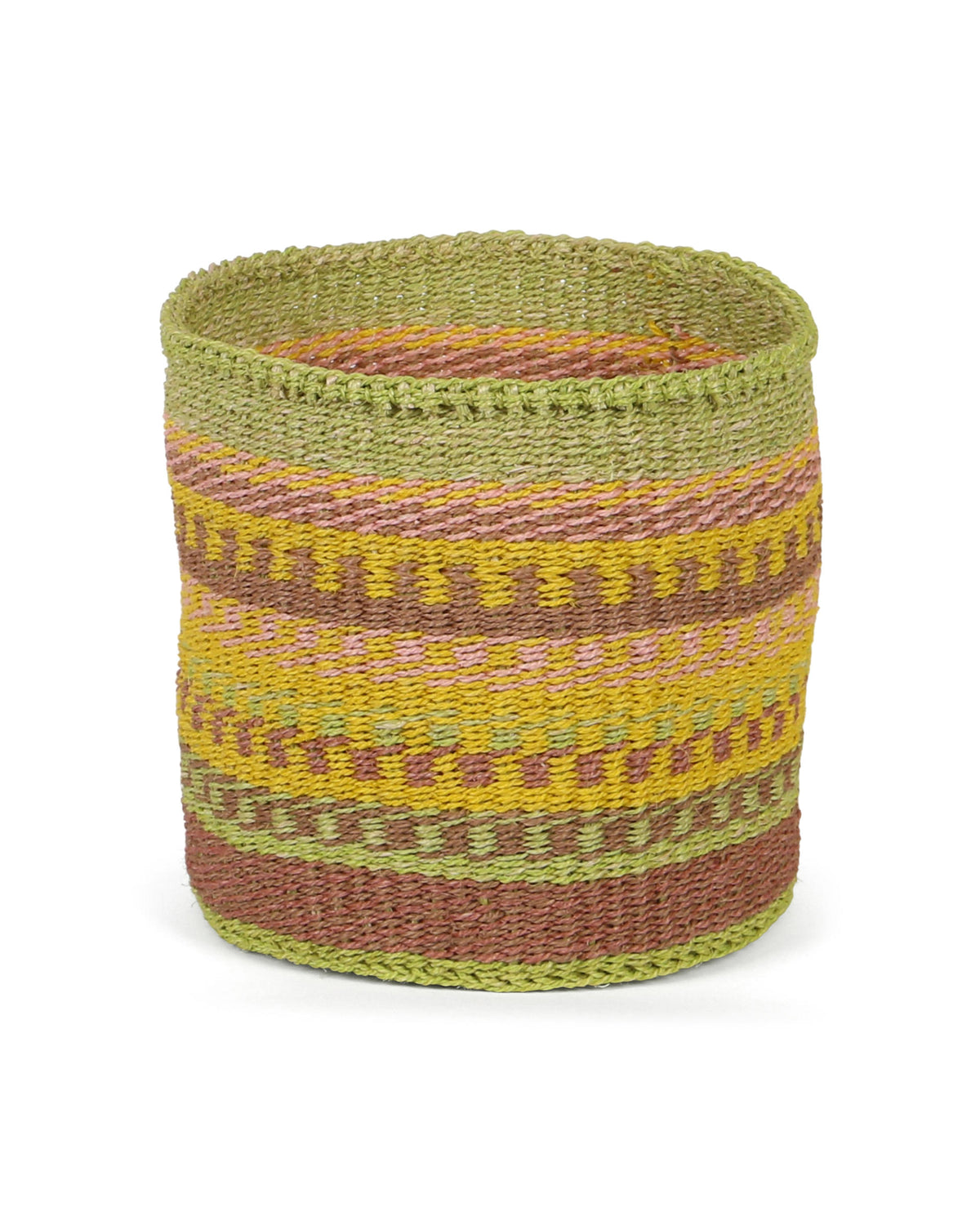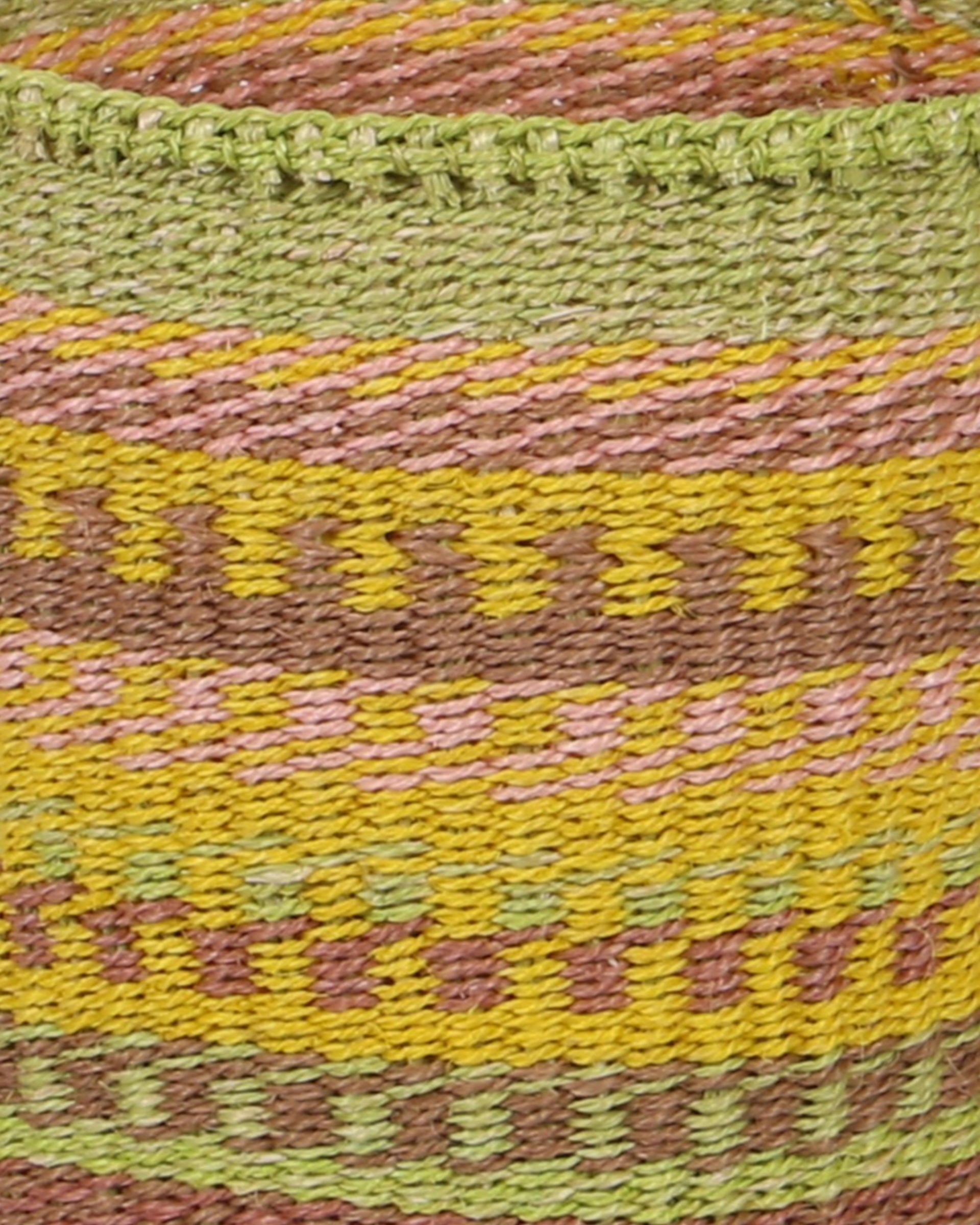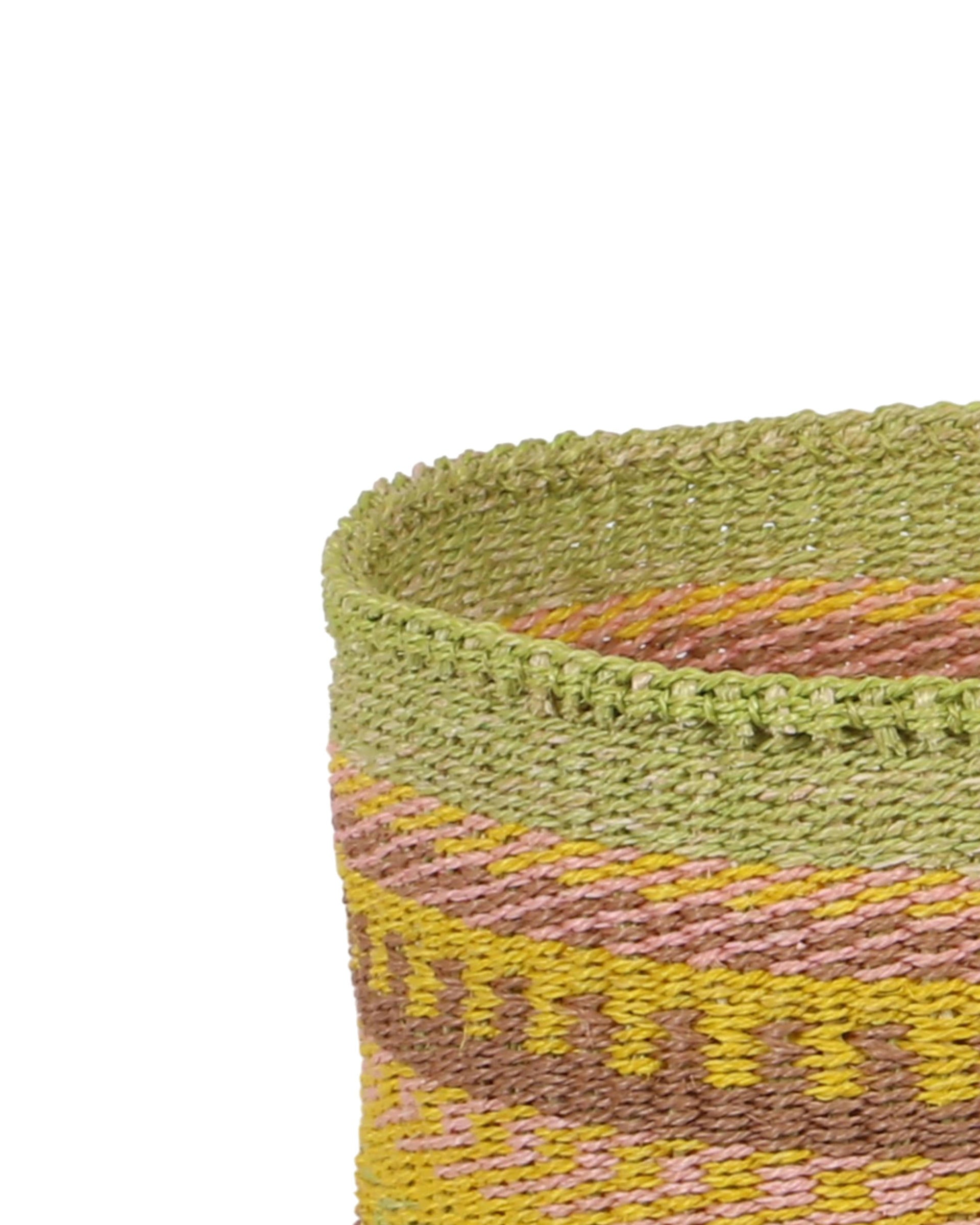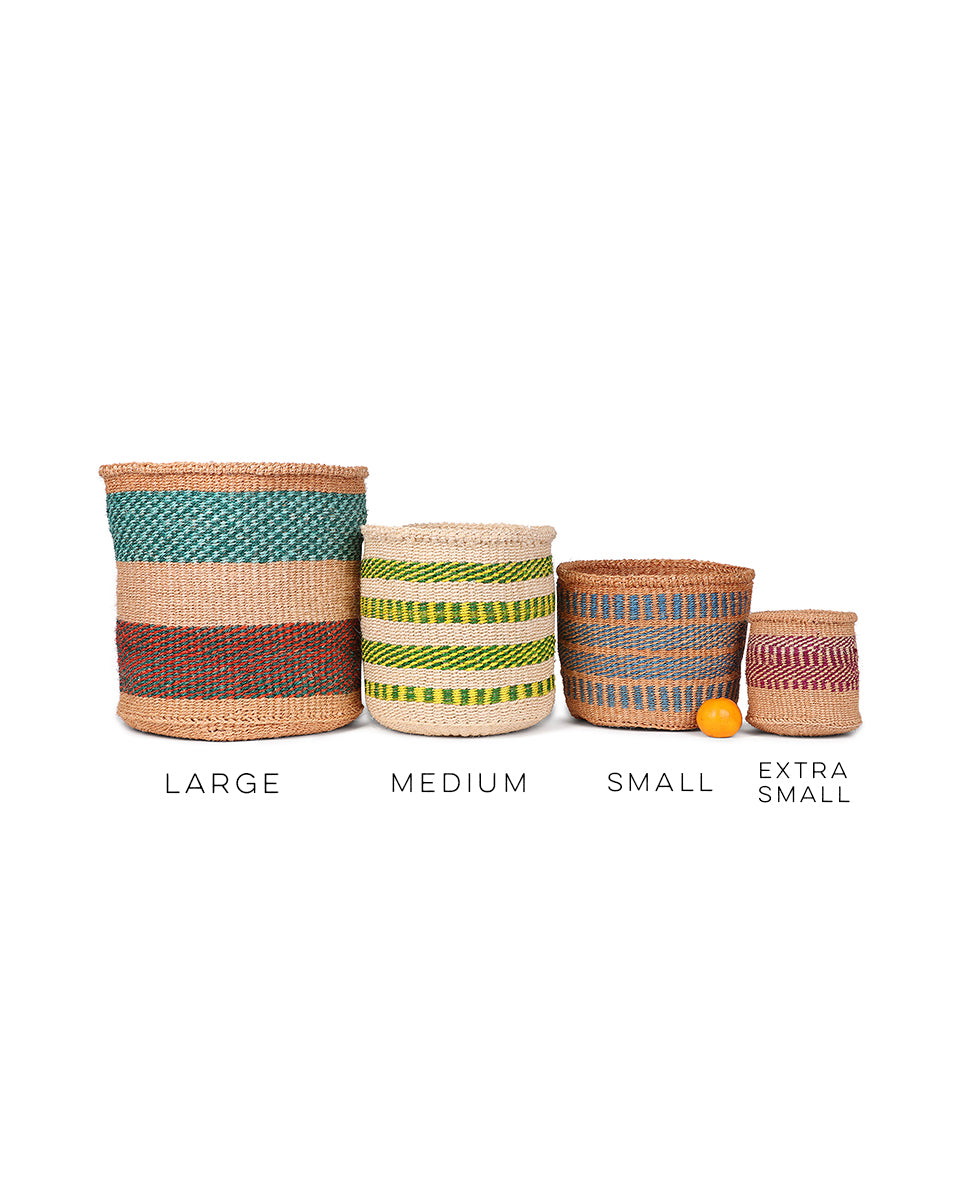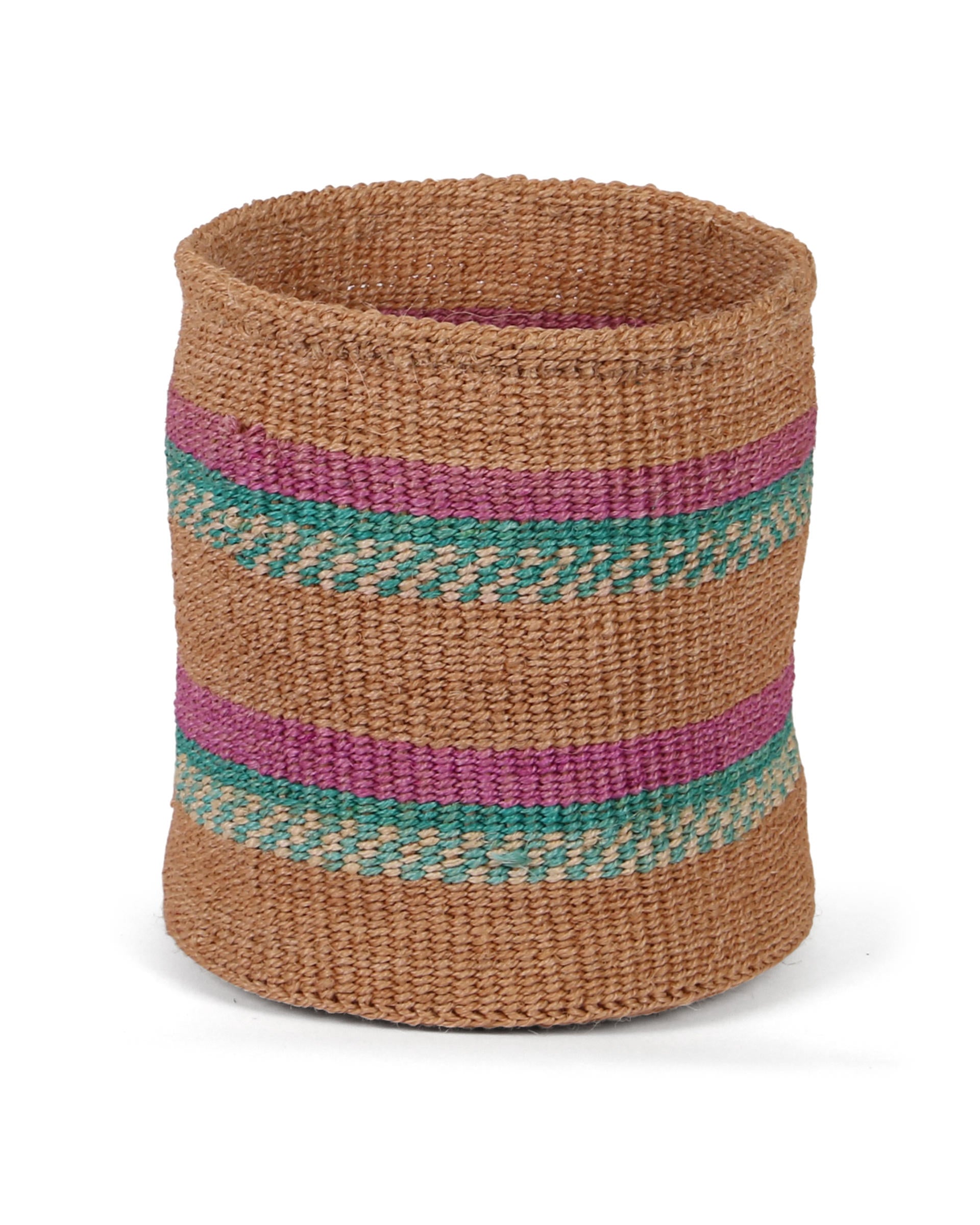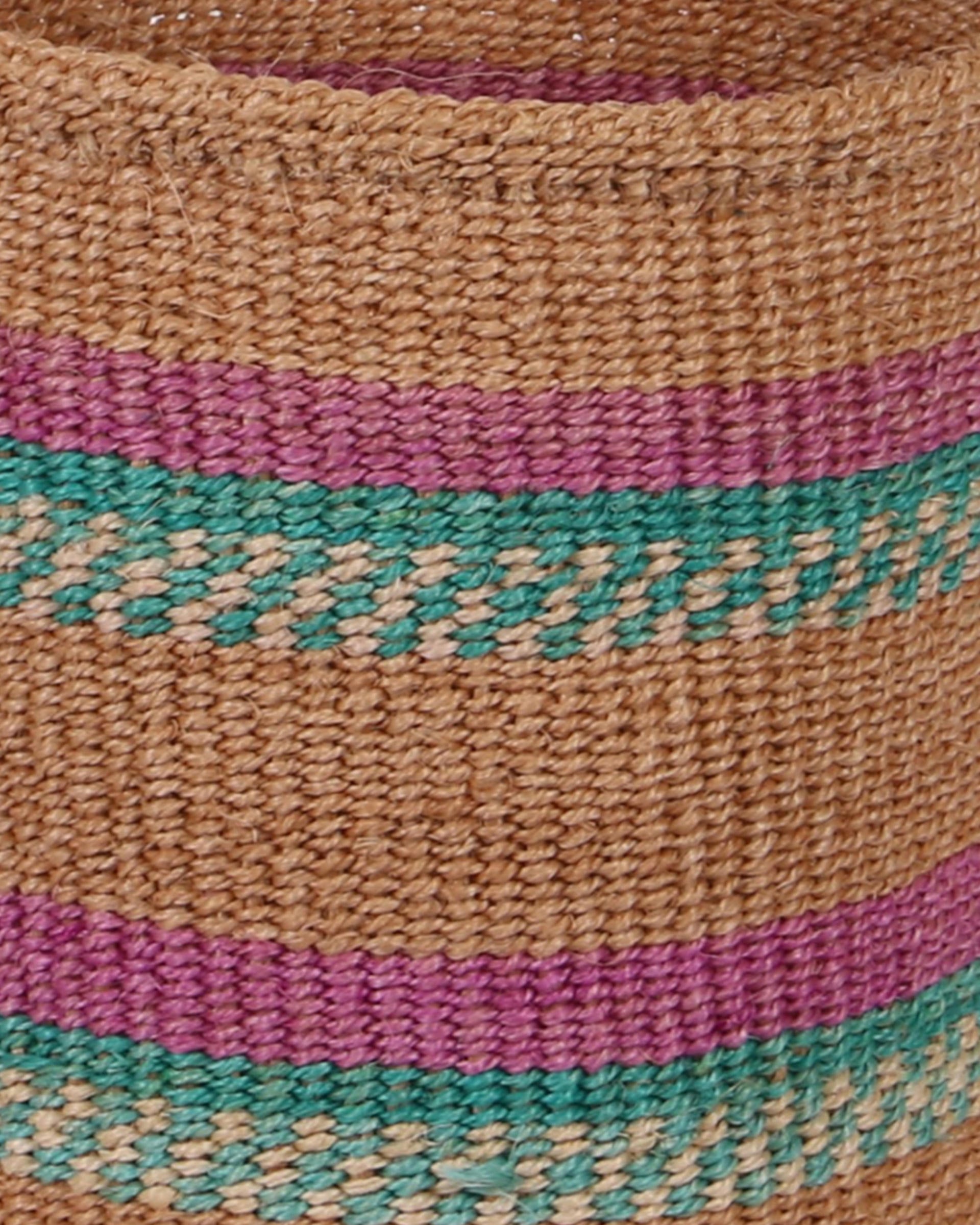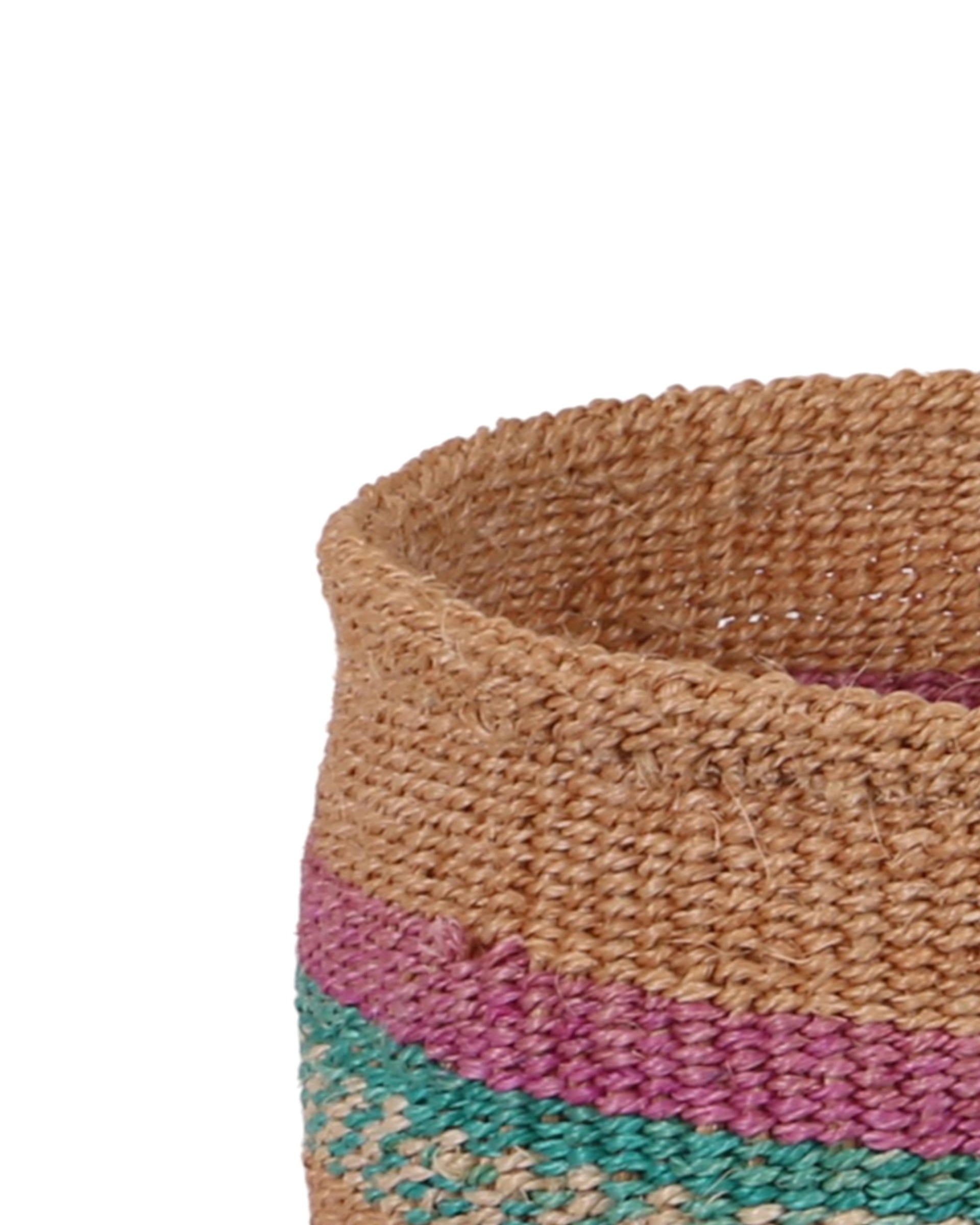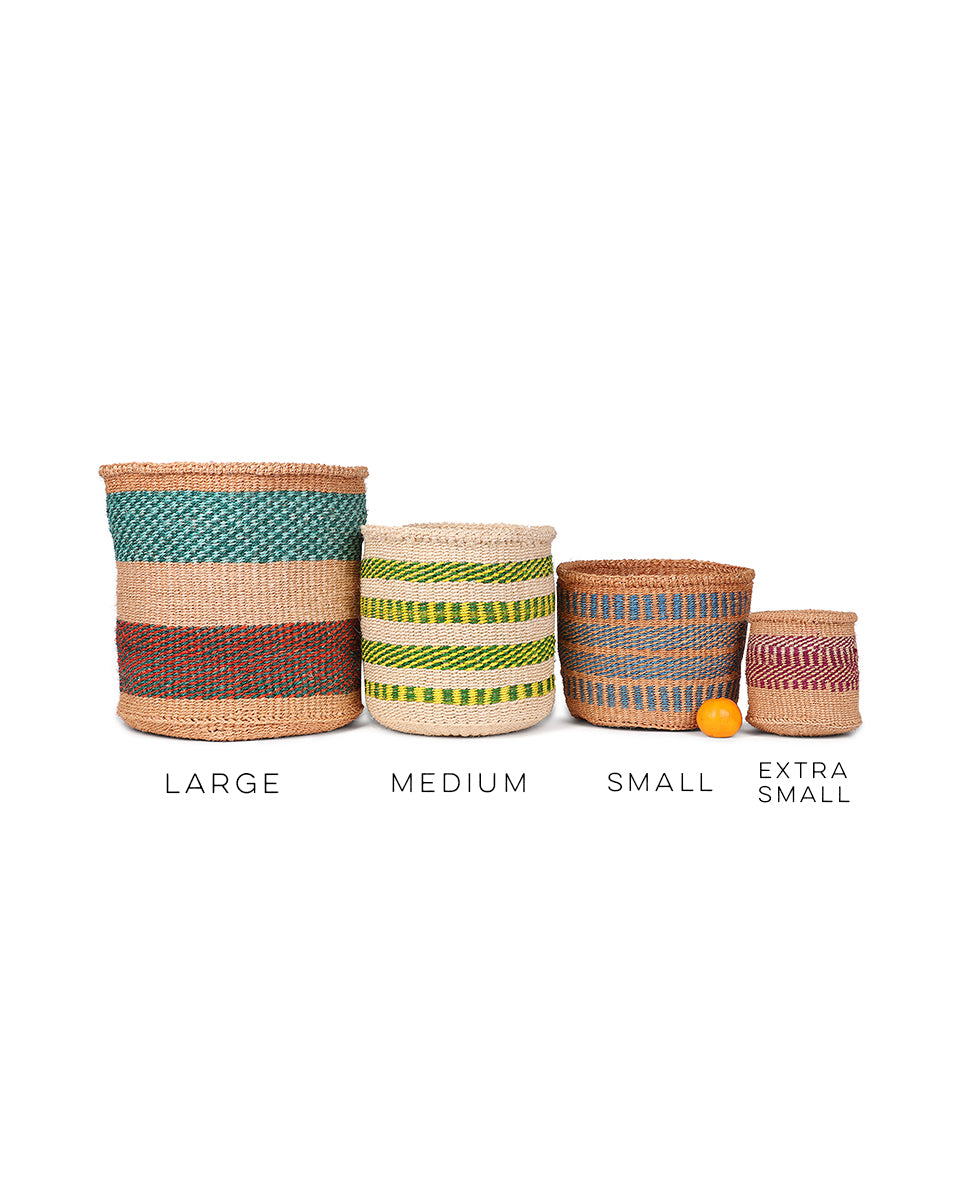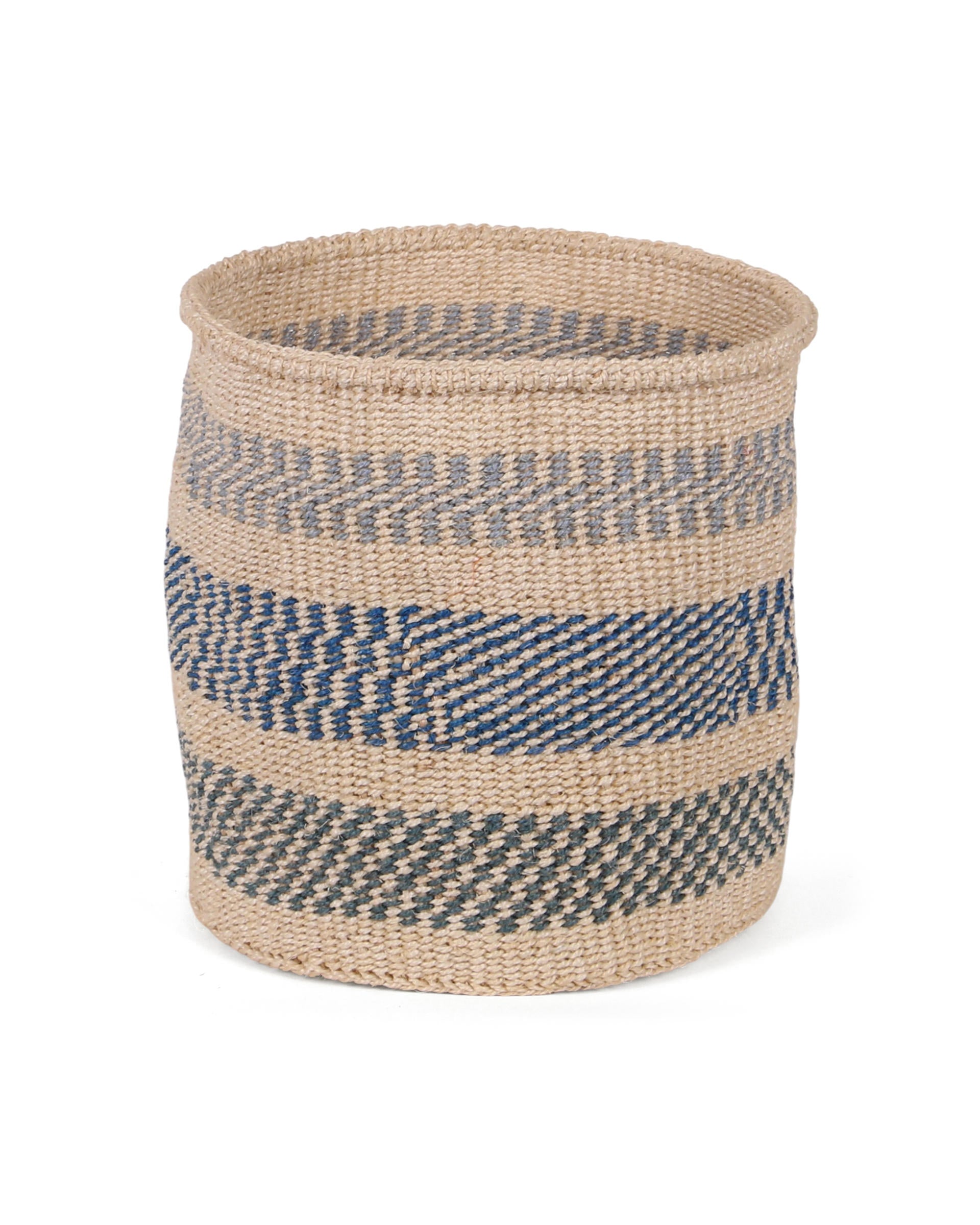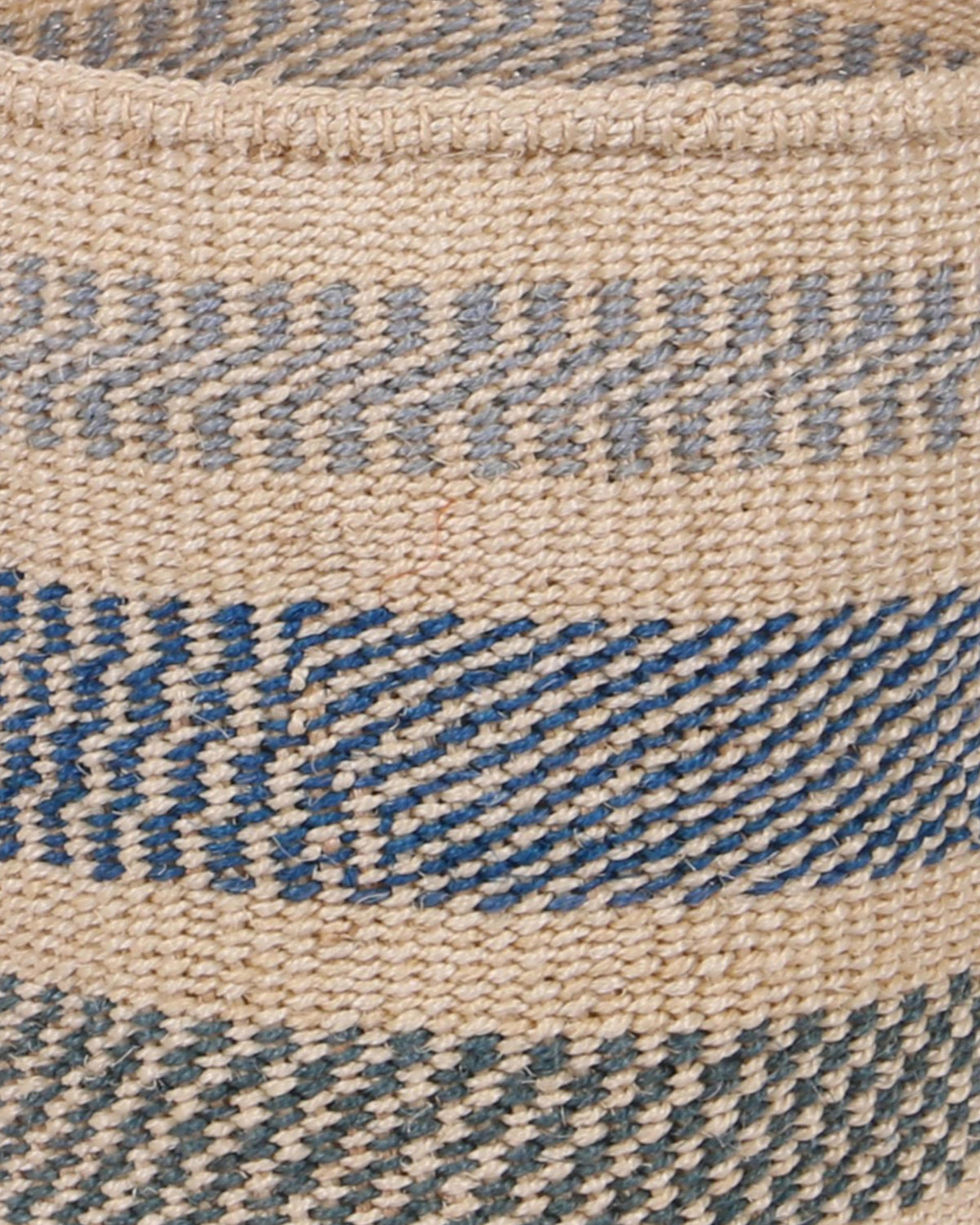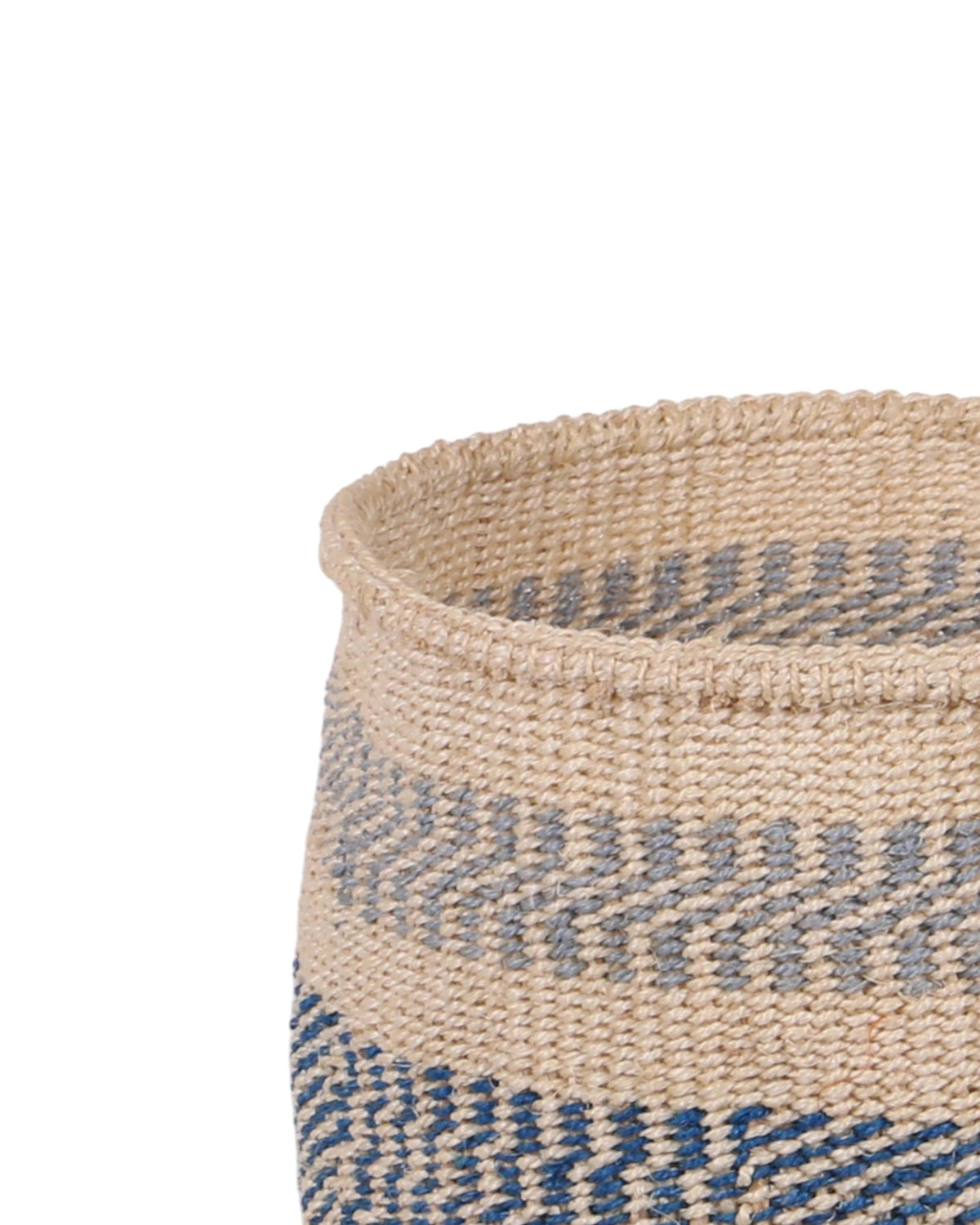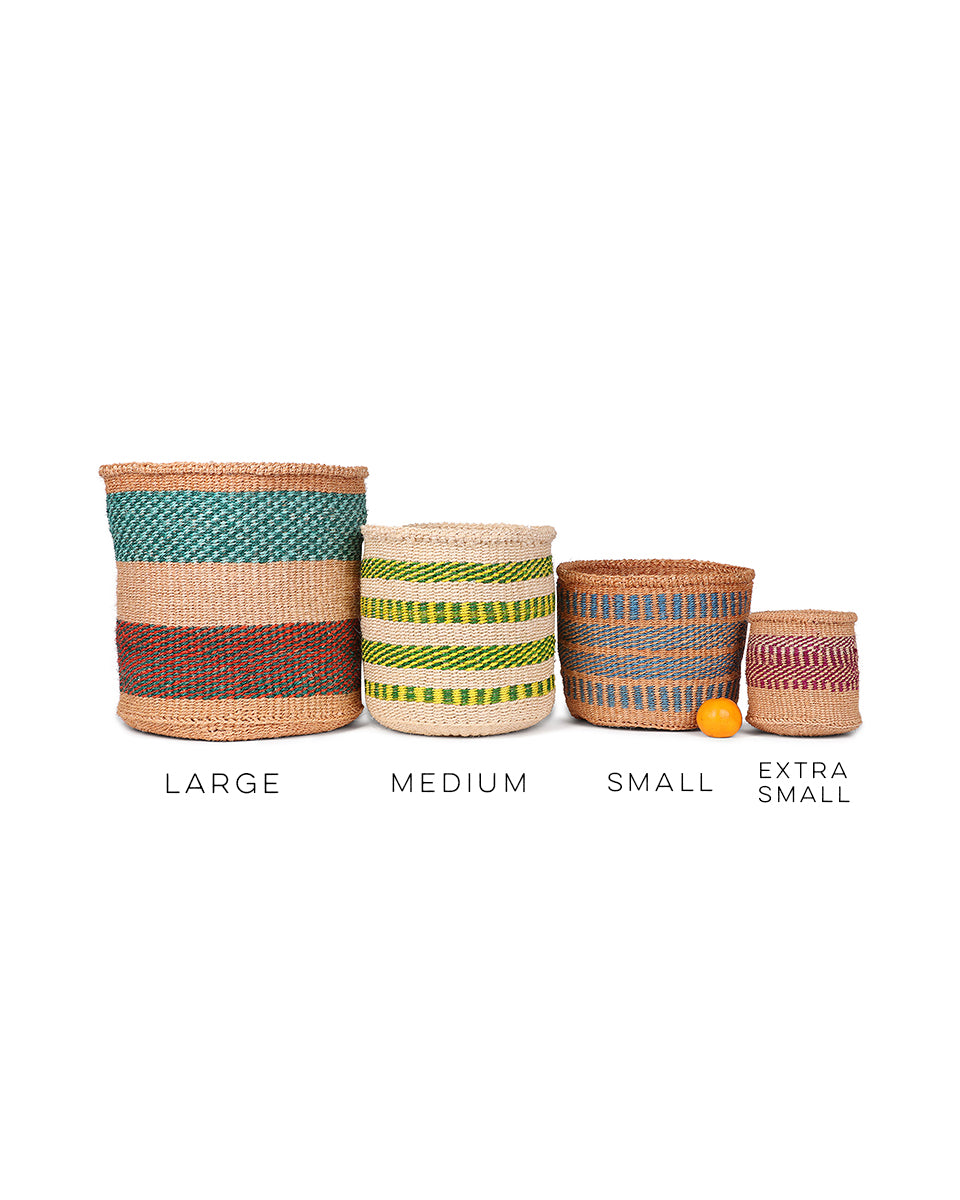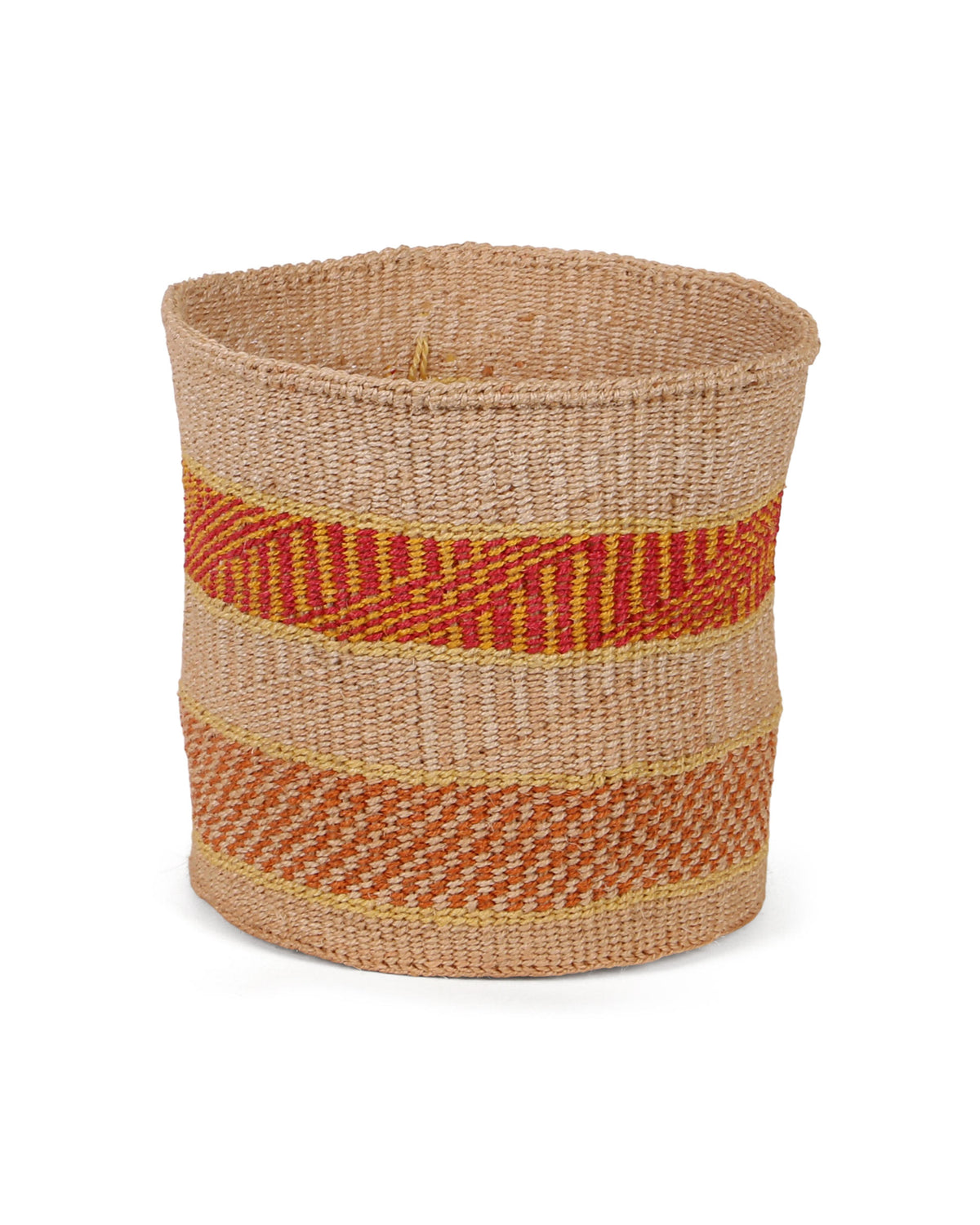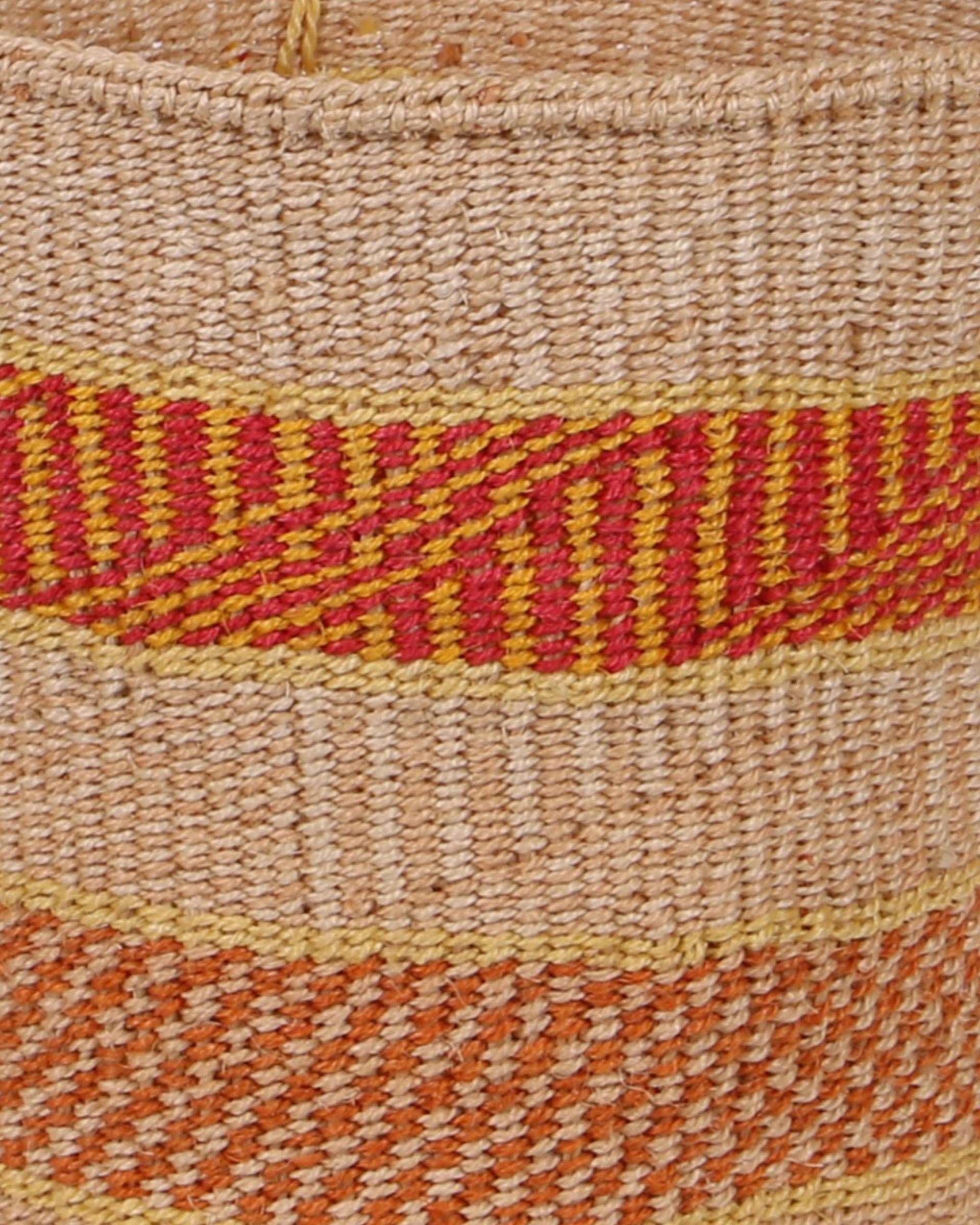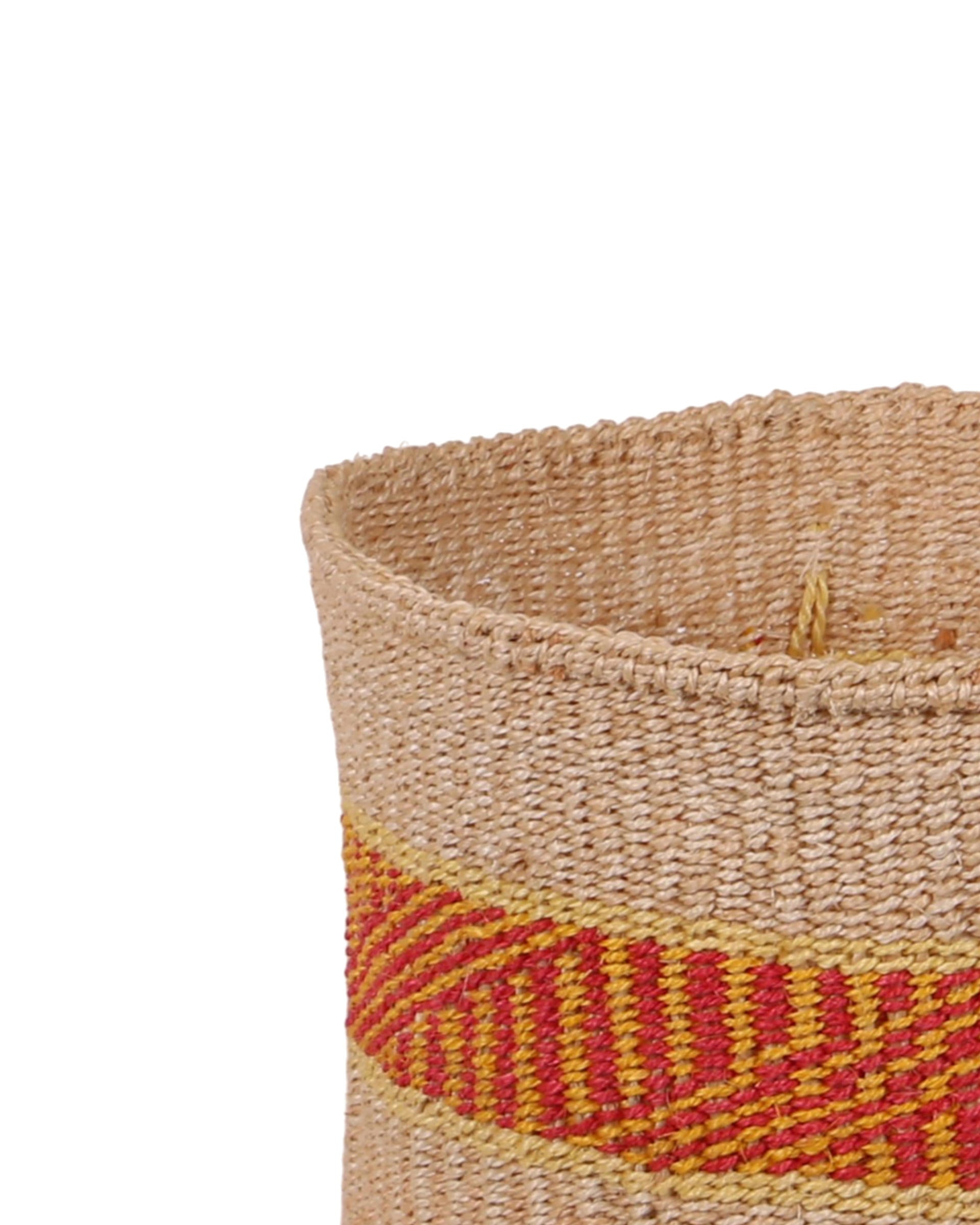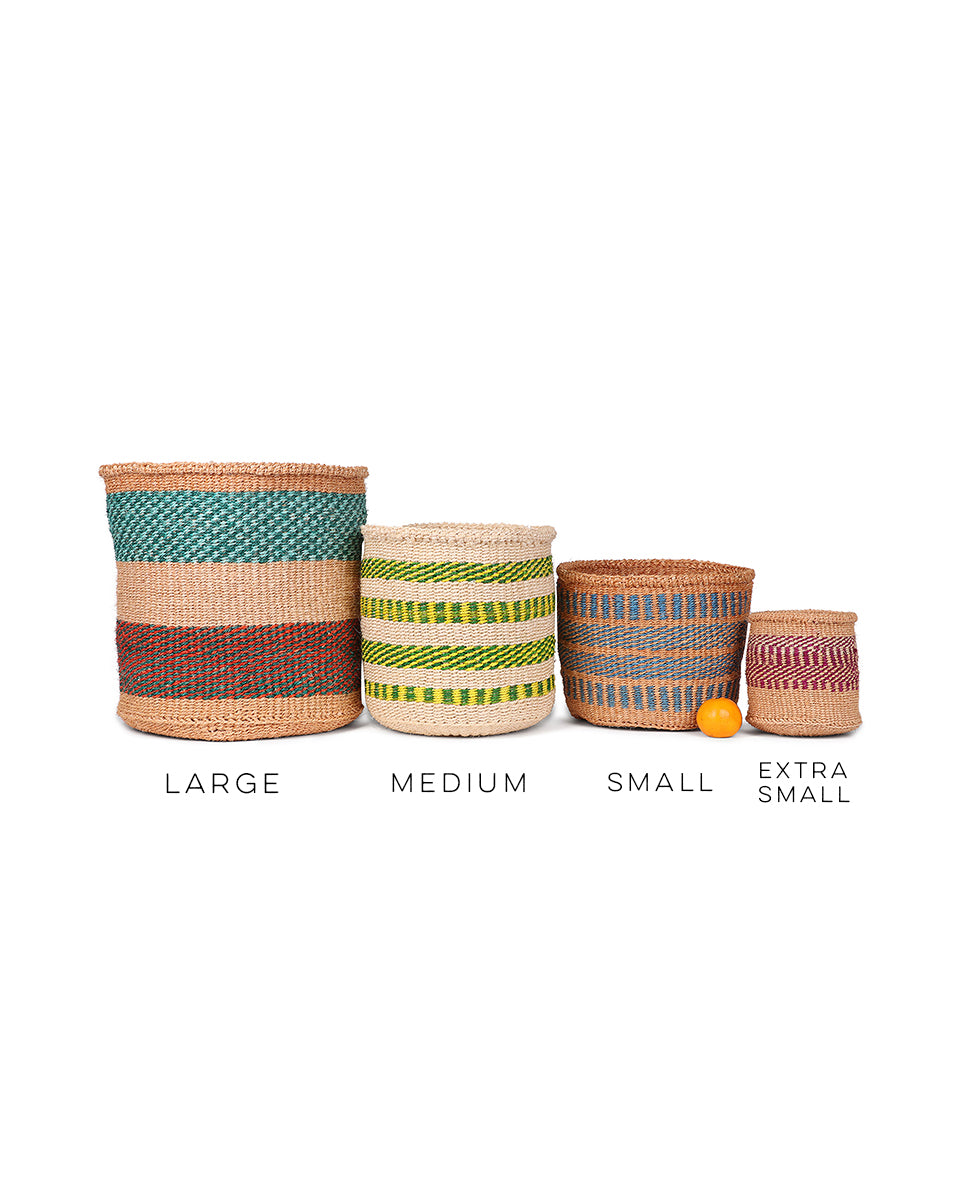
From planting the sisal, to a finished handwoven basket, it takes up to two and a half years to create The Basket Room’s baskets! We think this labour of love is worth it to create unique handwoven baskets you’ll treasure for many years to come.
When you buy our baskets, you’re not just getting a piece of art. You’re also helping support subsistence farmers in Africa, who create these woven marvels alongside their day-to-day work.
See what it takes to create your handwoven baskets, step by step.
Step 1: Grow the Sisal
Sisal is a very tough grass, perfect for weaving into baskets. It can thrive in extended periods of drought, making it hardy enough to survive in Africa’s dry conditions. Sisal leaves grow up to a metre long, but it takes two to three years for the plant to grow to the six metre height needed for harvesting! After the first harvest, sisal can be harvested every six to nine months, for as long as the plant lives.

Step 2: Harvest the Sisal by Hand
The weavers cut the lower leaves away from the centre of the ‘bole’ of each plant using a sharp, flexible knife. Next, they strip each leaf by hand, extracting the cortex of ribbon fibres from the leaves. This creates strong, creamy-white fibres, ideal for dying into a rainbow of colours. It’s hard work: the fibres are very tough and resist being separated.
The fibres of sisal then need to be rolled together to form strong twine. Often, the weavers will do this on their thigh to create an even thickness.


Step 3: Dye and Dry the Sisal Fibres
The Basket Room’s artisans hand-dye the sisal fibres in huge vats of boiling water. They use AZO-free dyes or locally found natural materials. It takes up to xx hours to create the vibrant shades you love to see in your homes.
The team lay the freshly-dyed sisal fibres on racks to dry naturally in the sunshine. And finally, they gather the fibres up into bales, ready for weaving.


Step 4: Begin Handweaving the Baskets
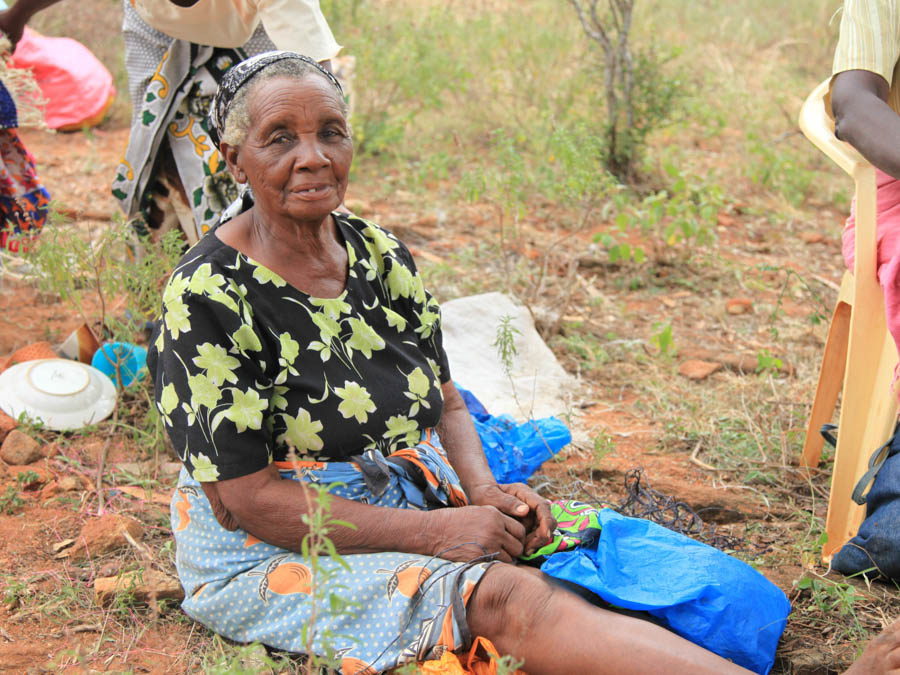
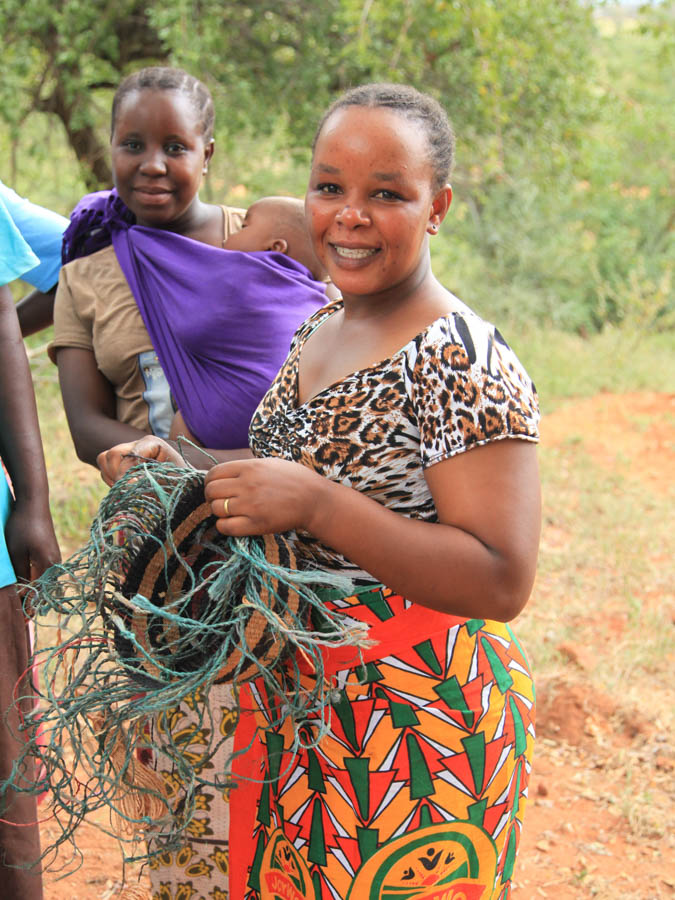
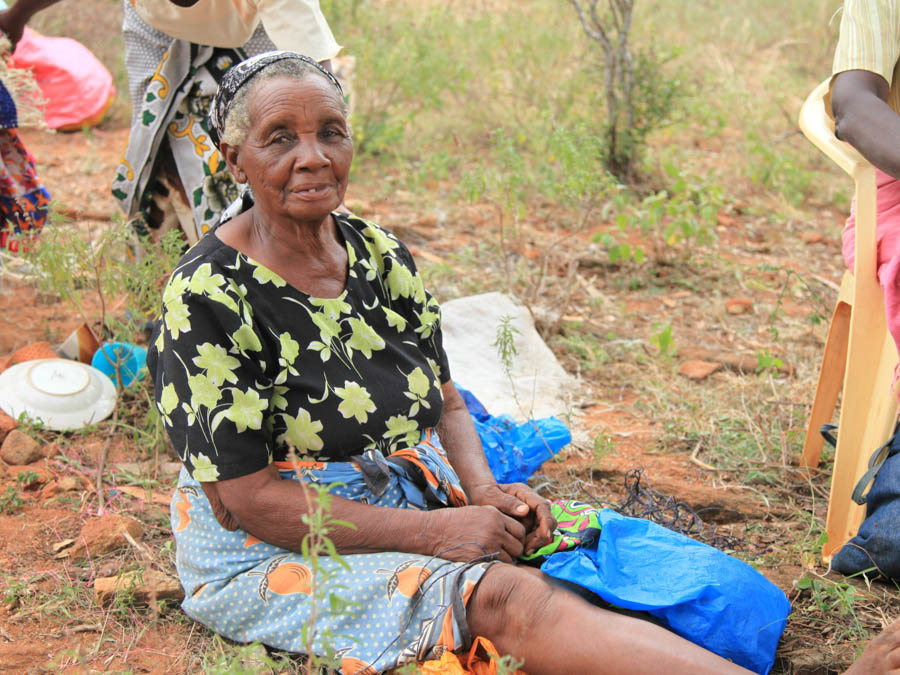
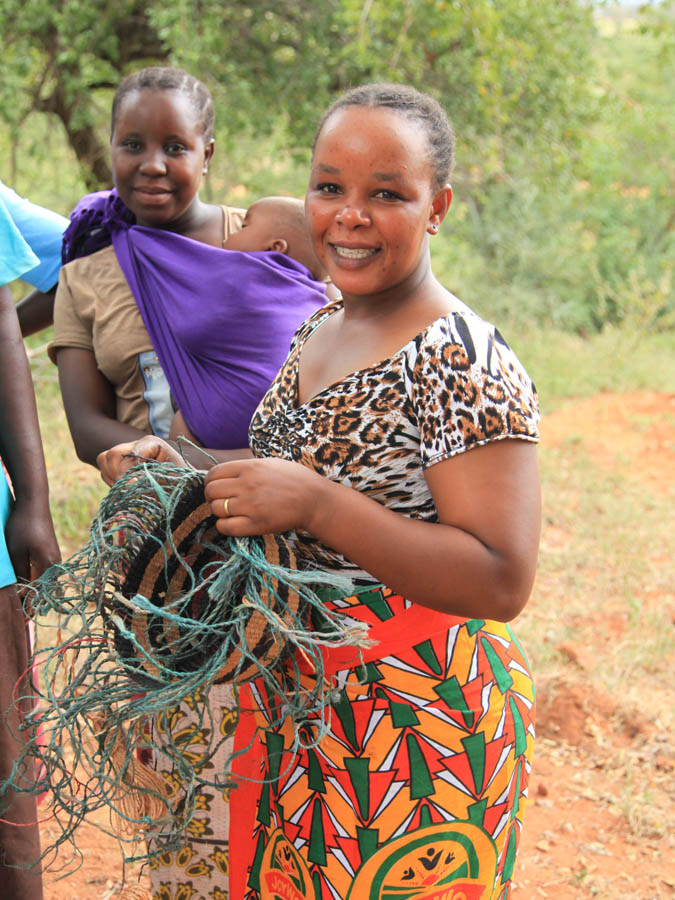
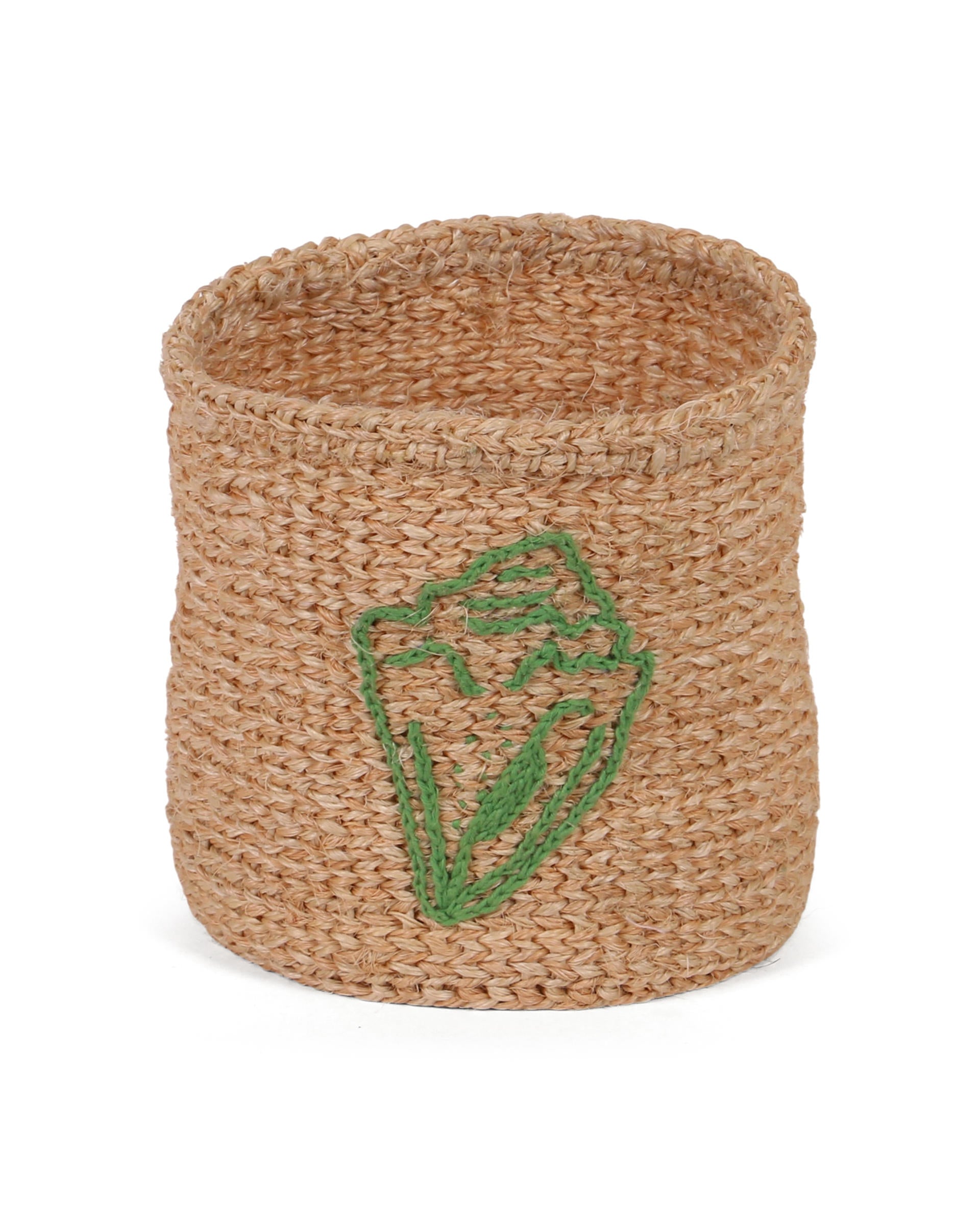
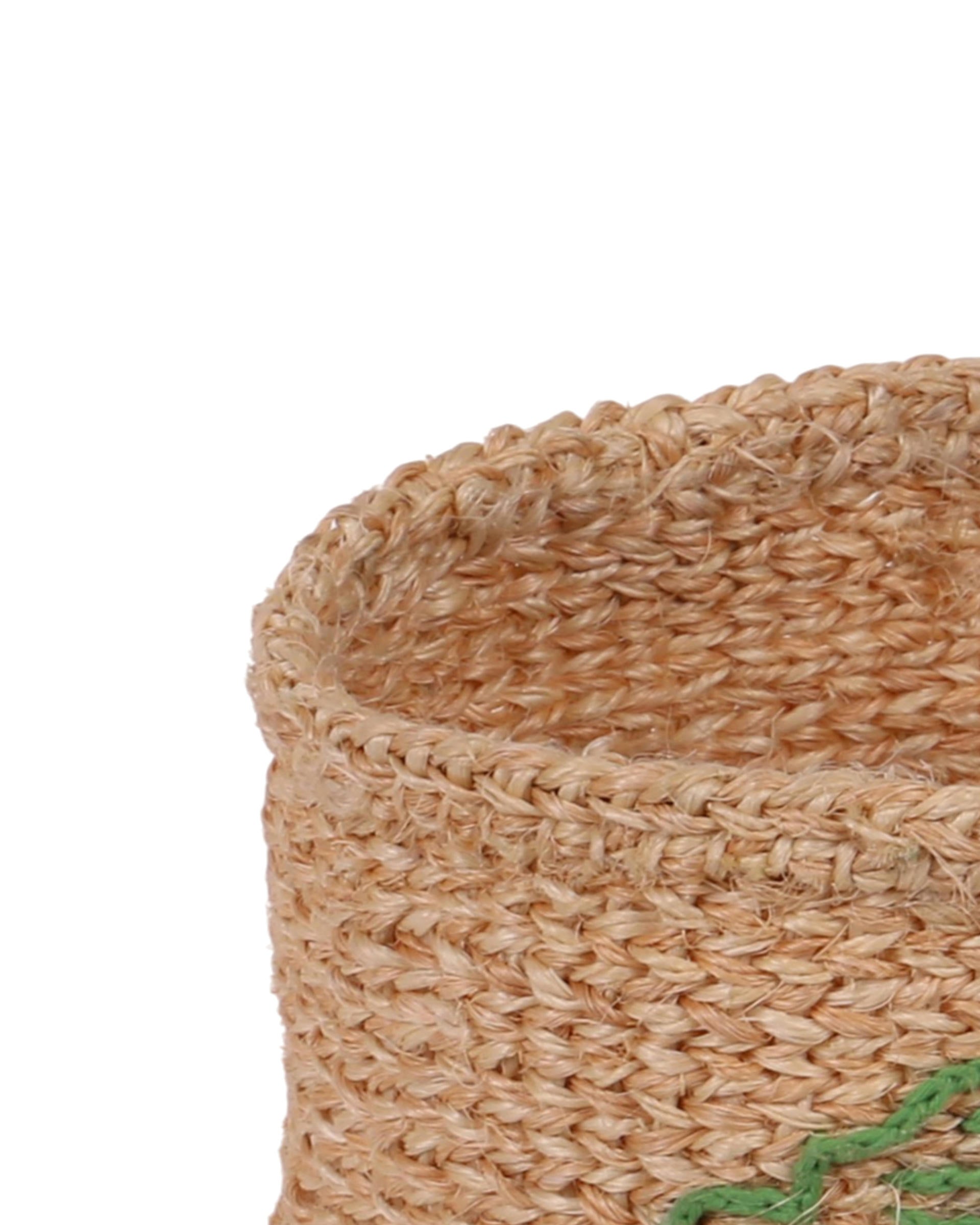
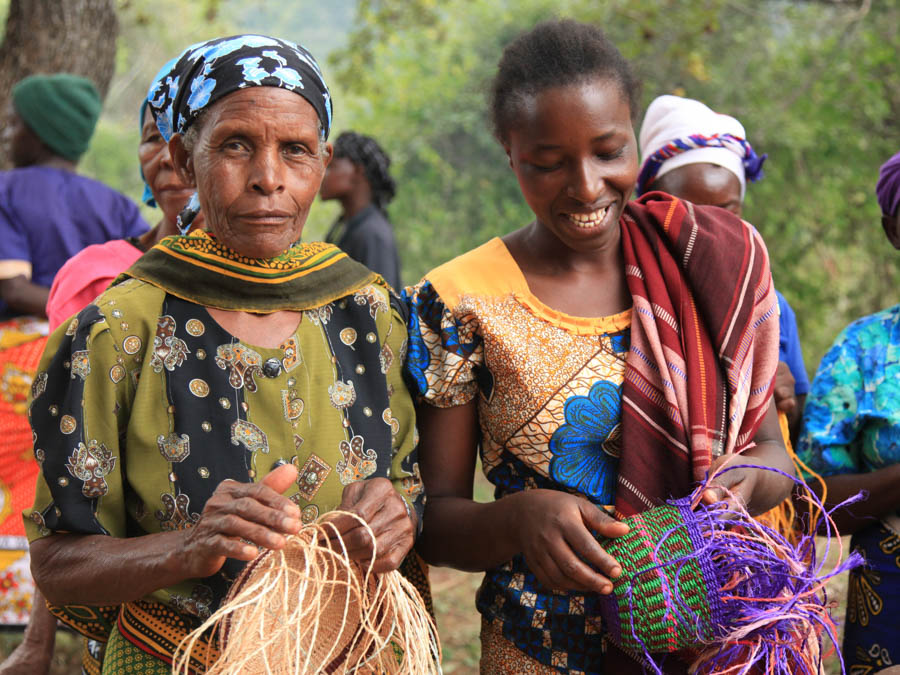
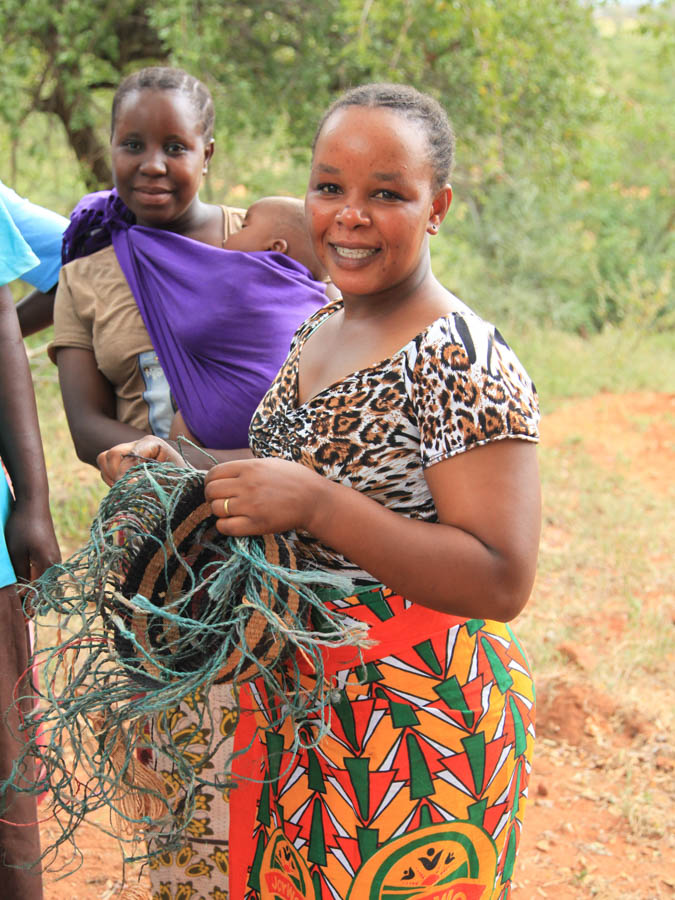
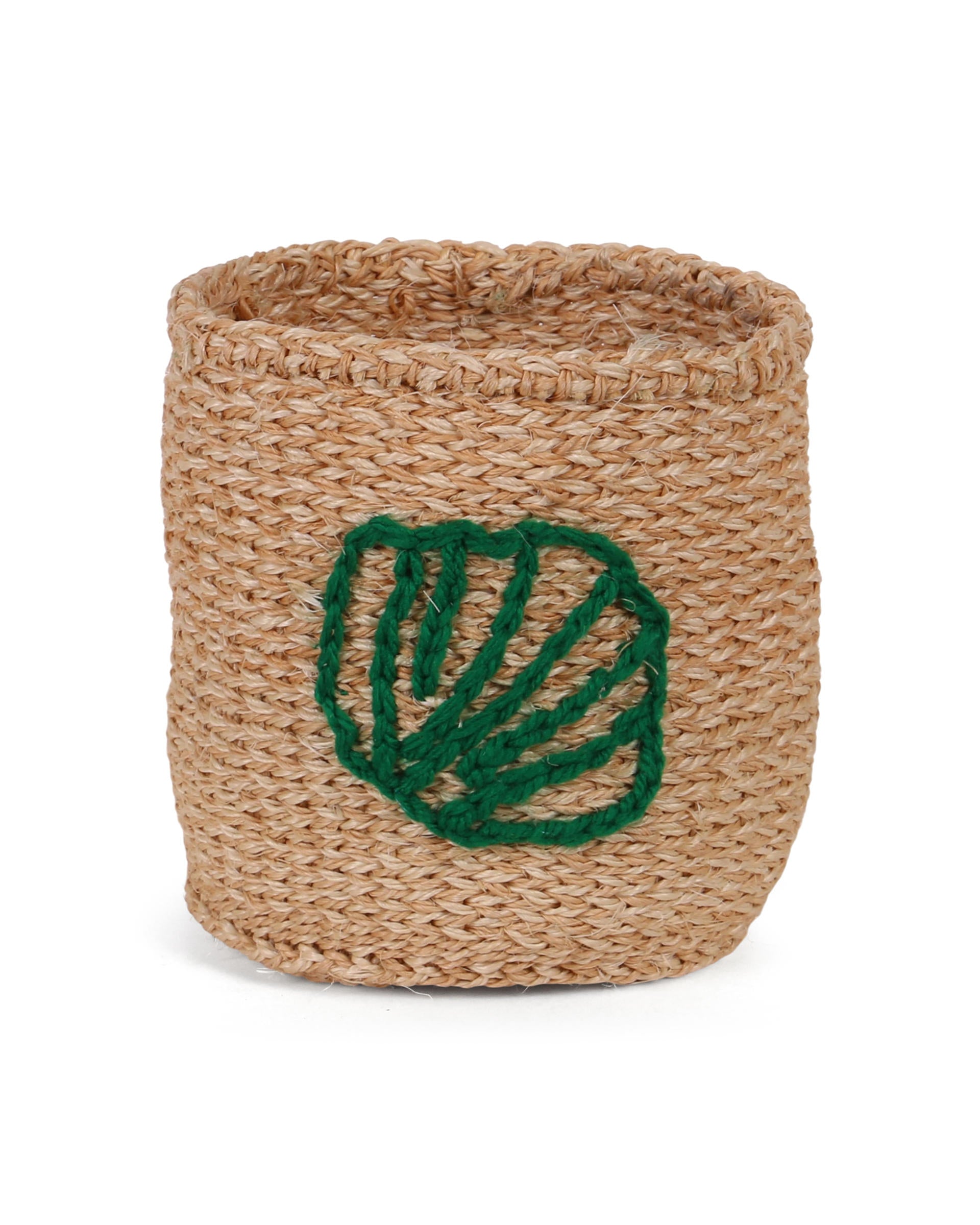
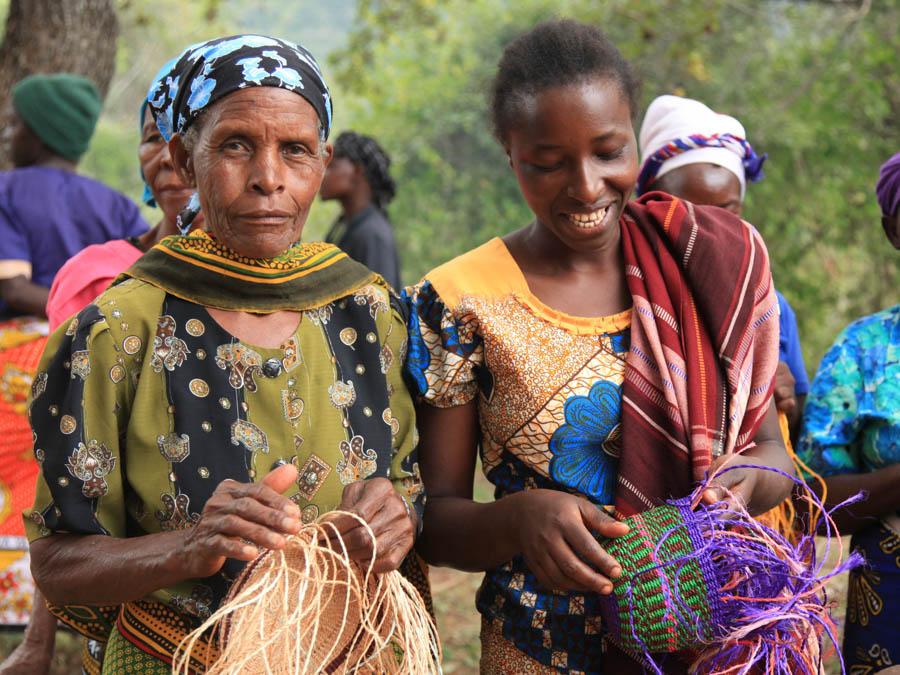
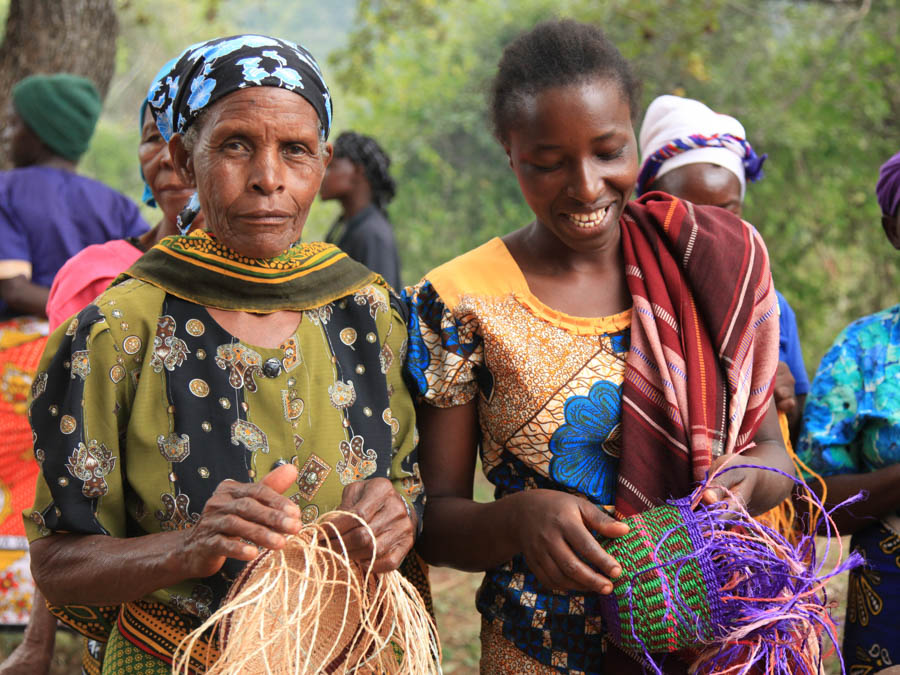
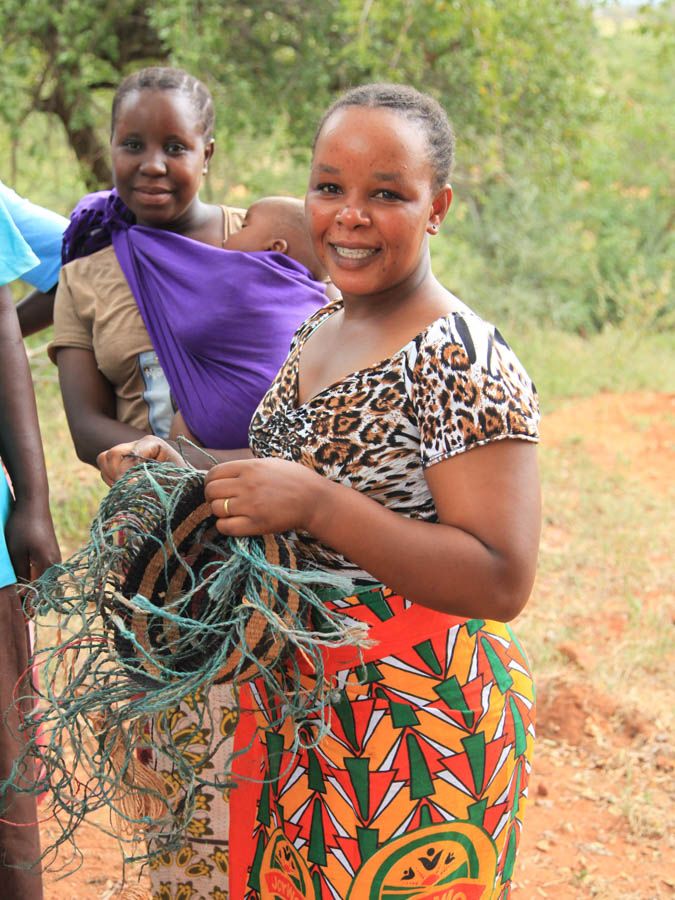
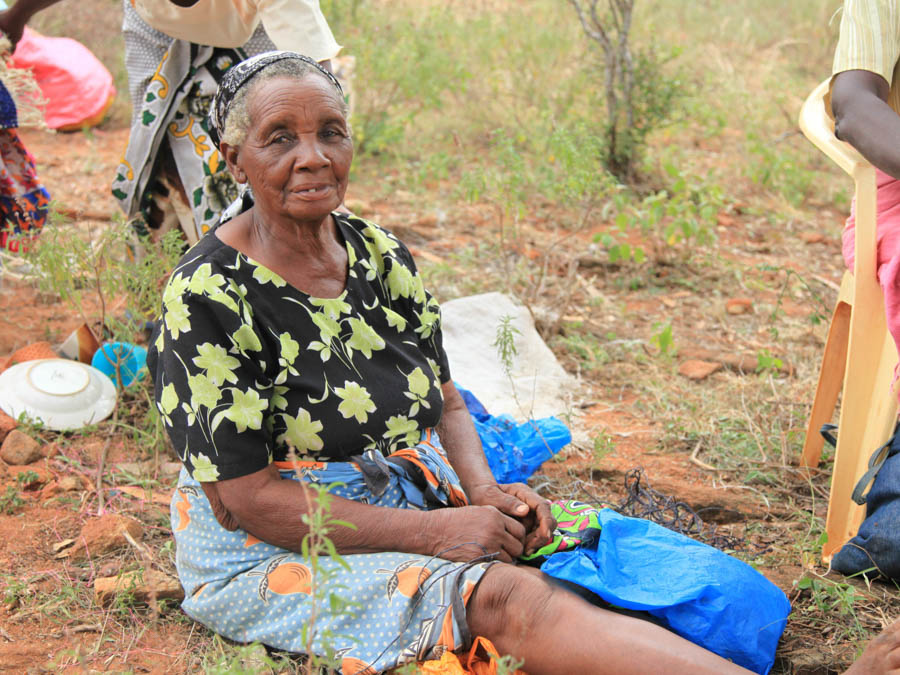
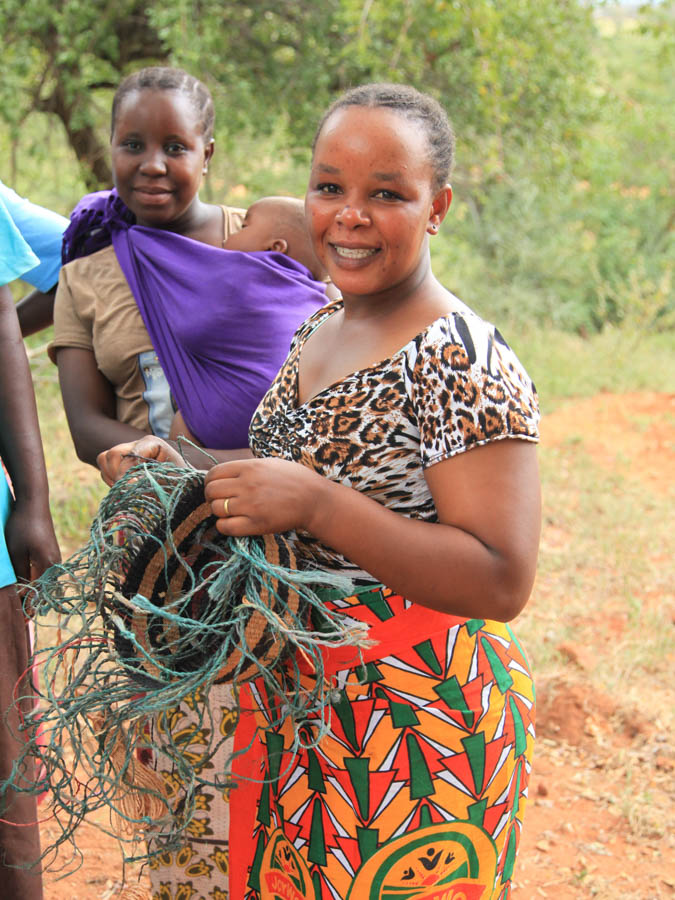
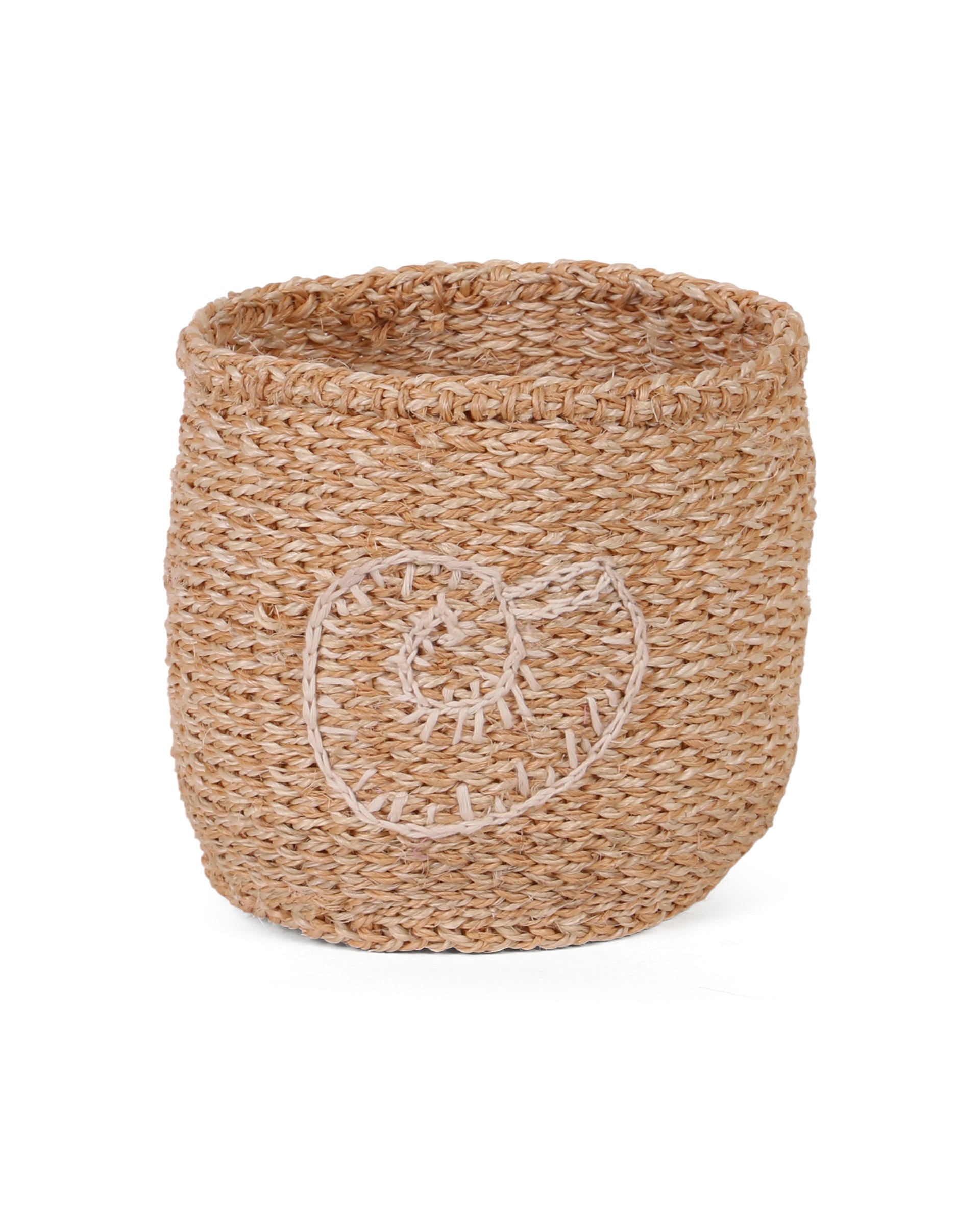
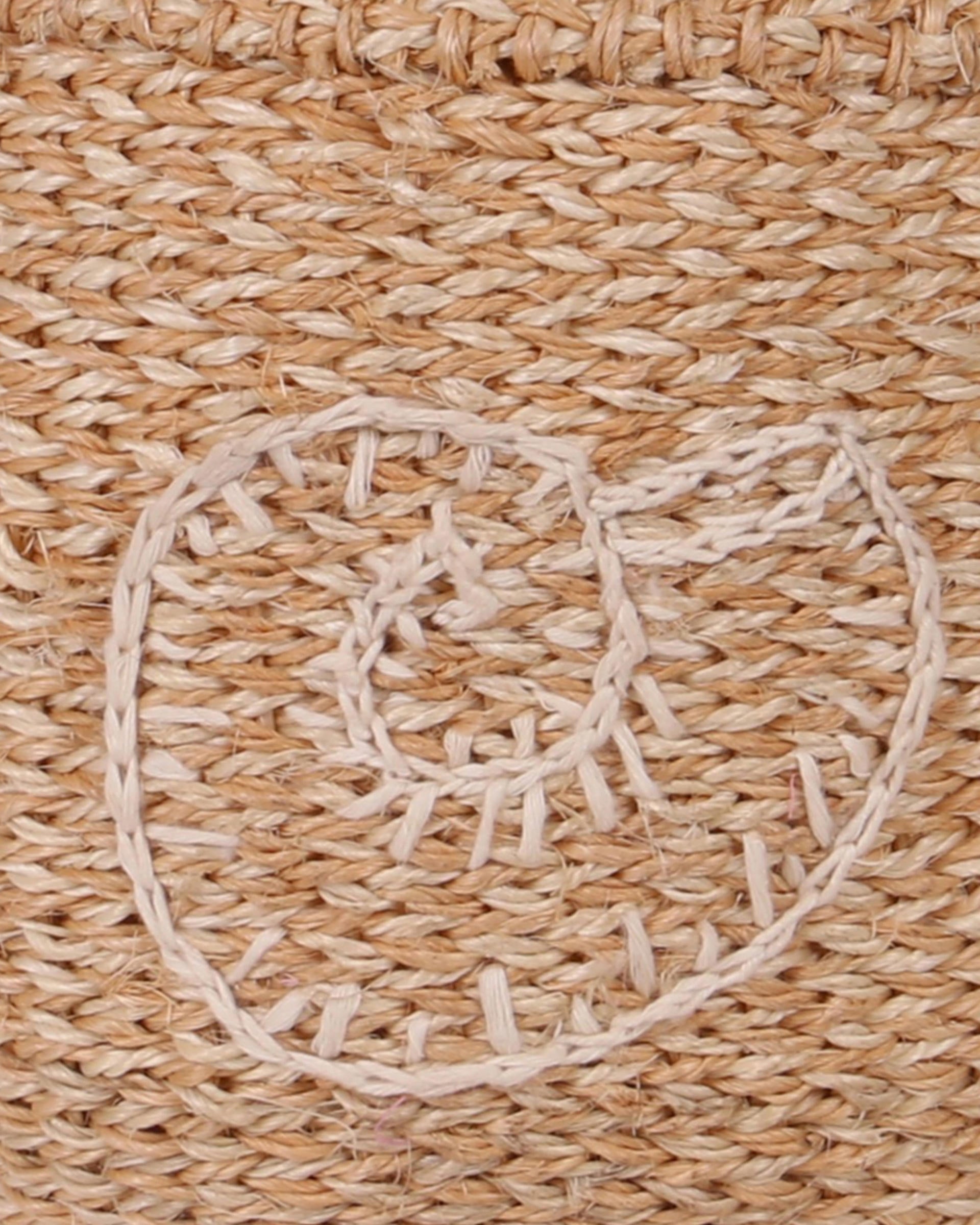
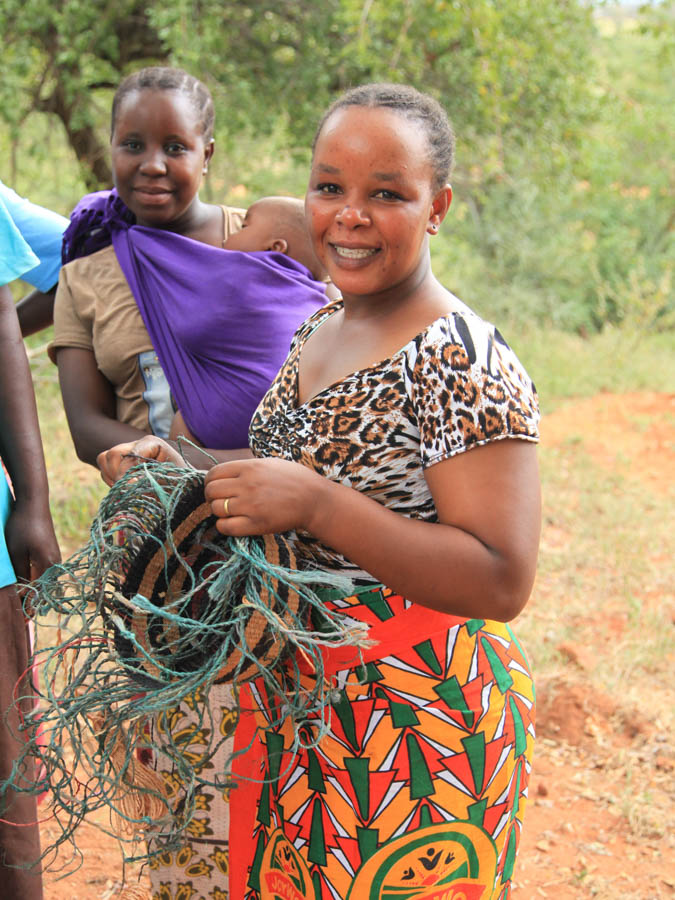
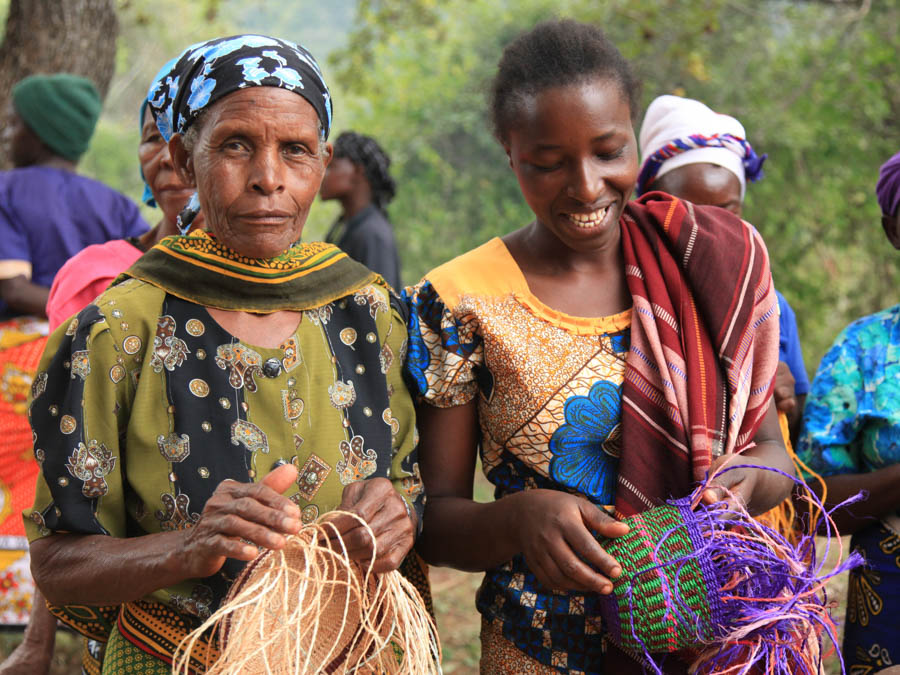
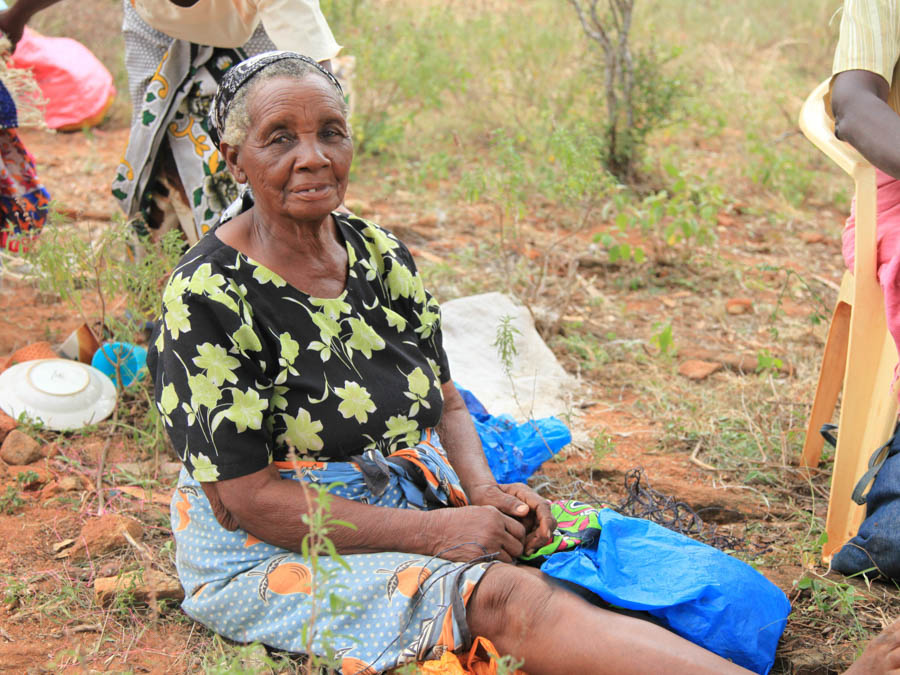
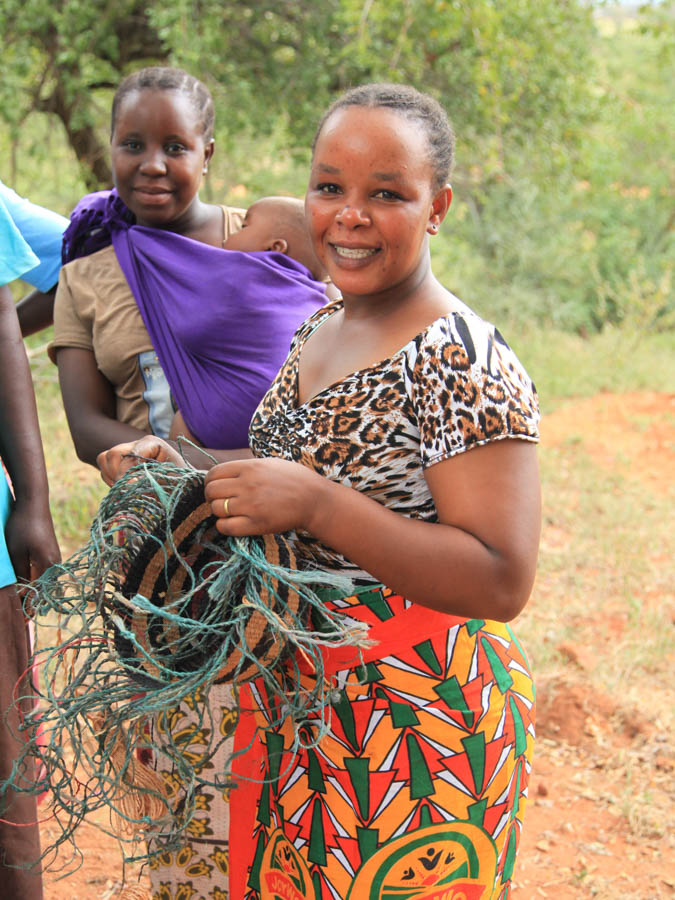
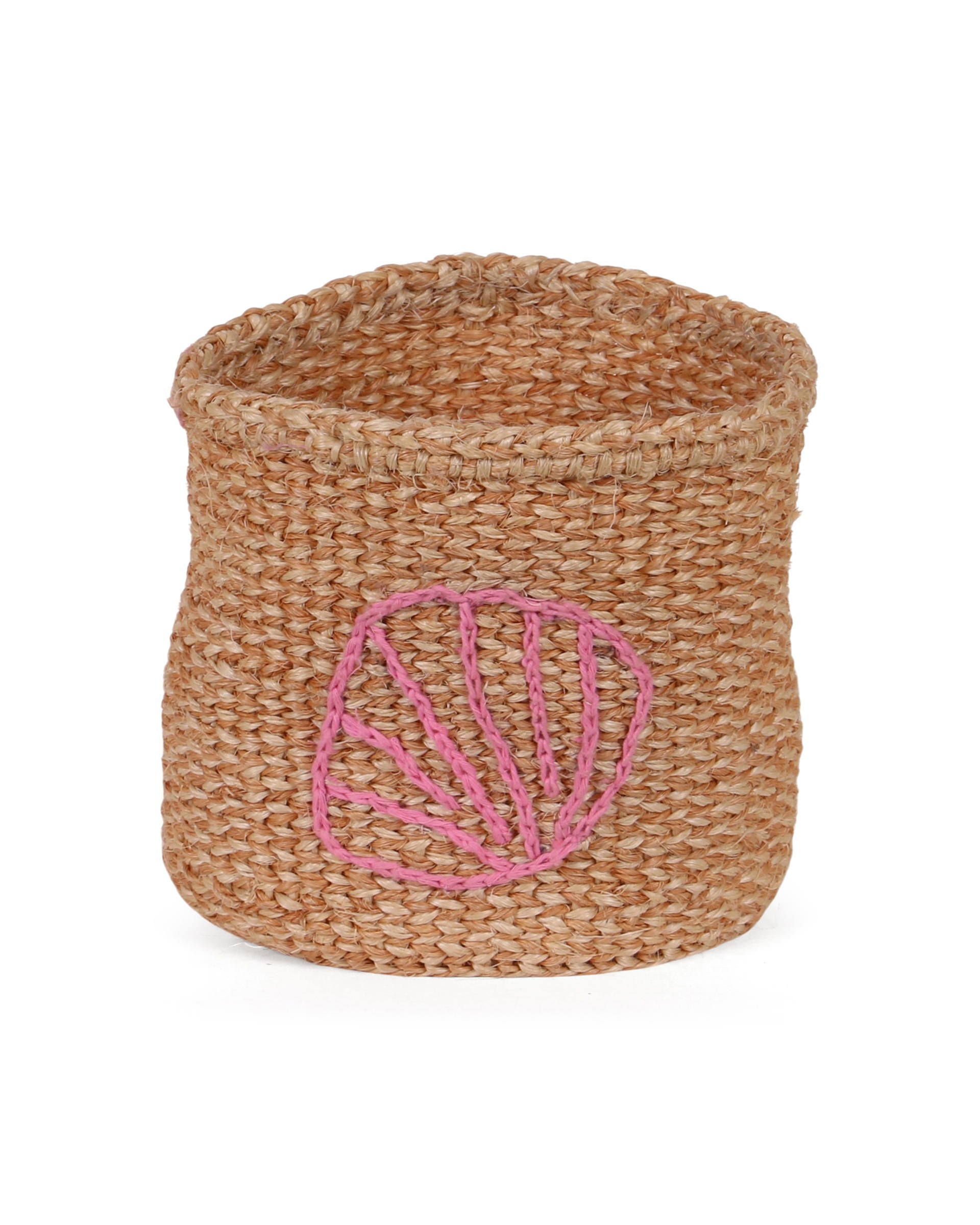
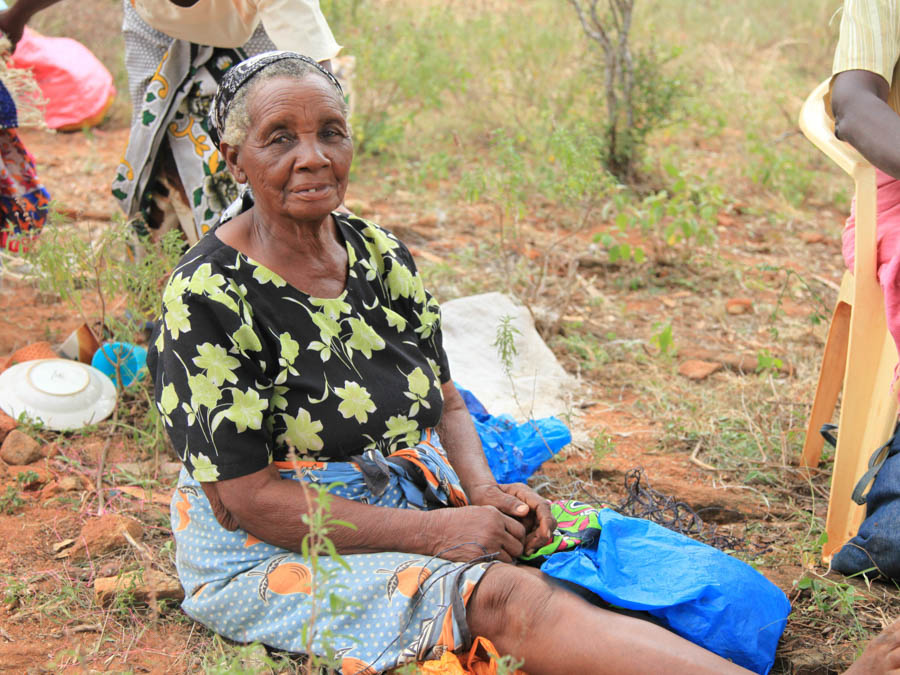
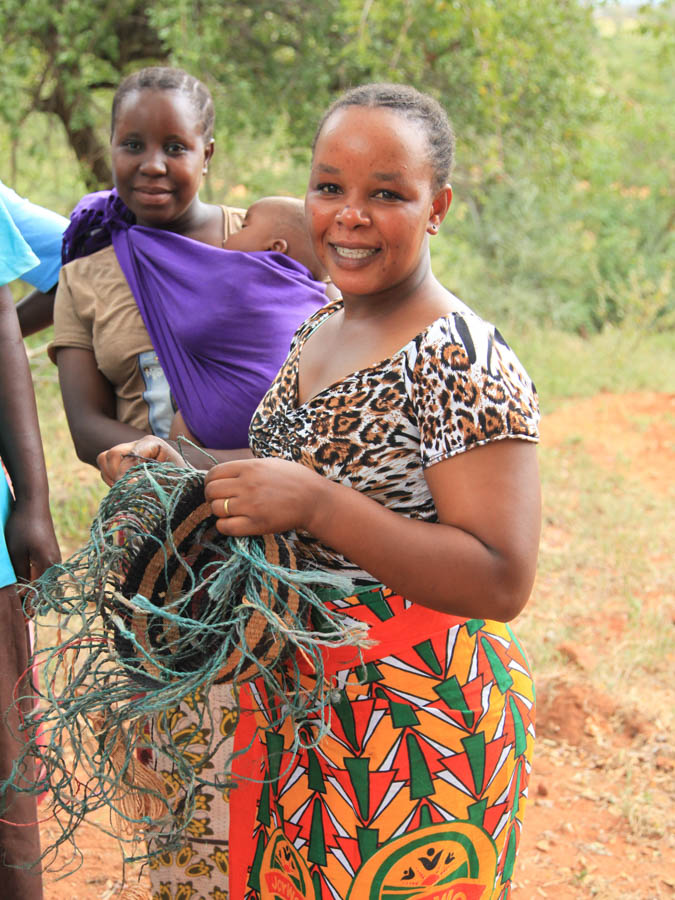
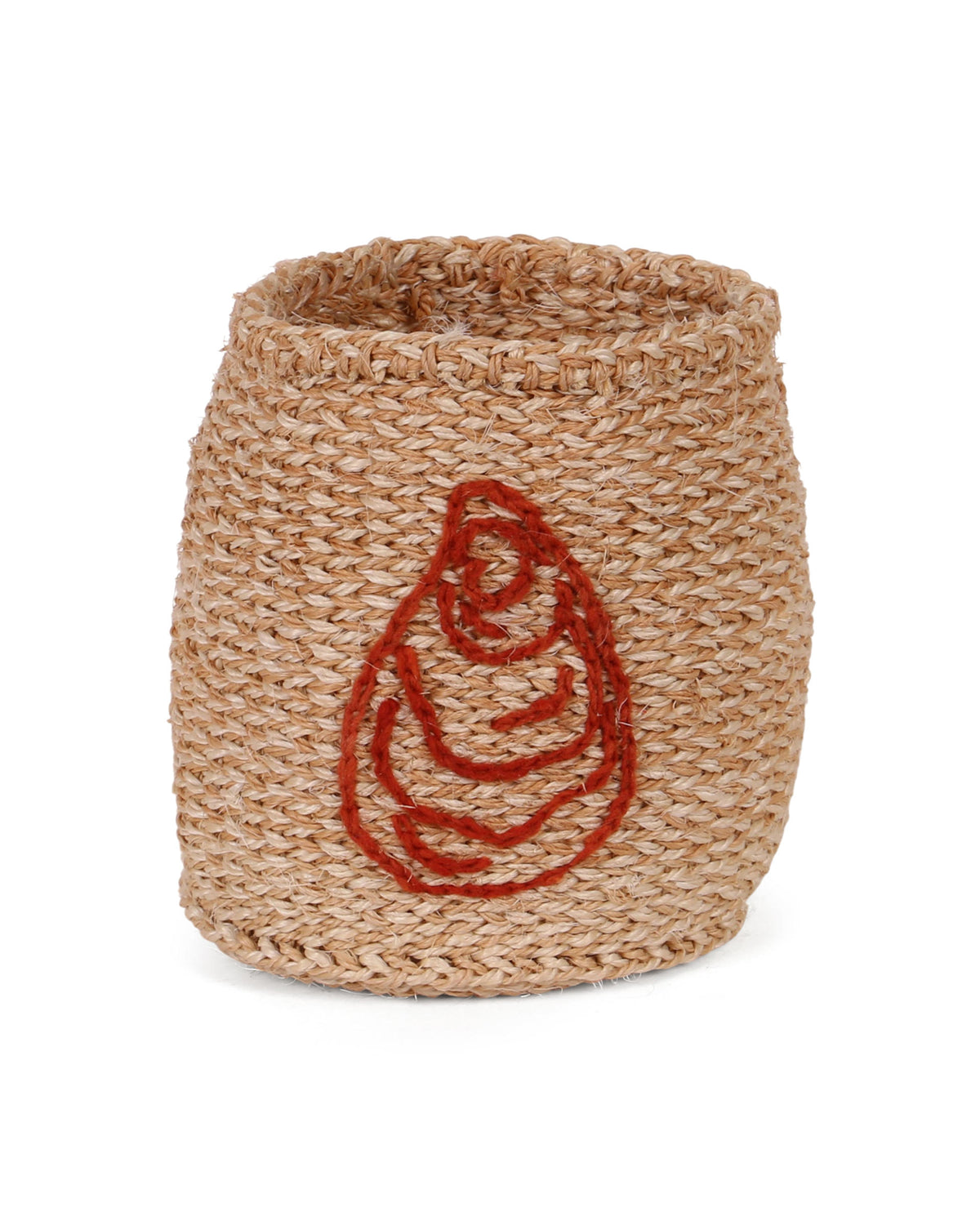
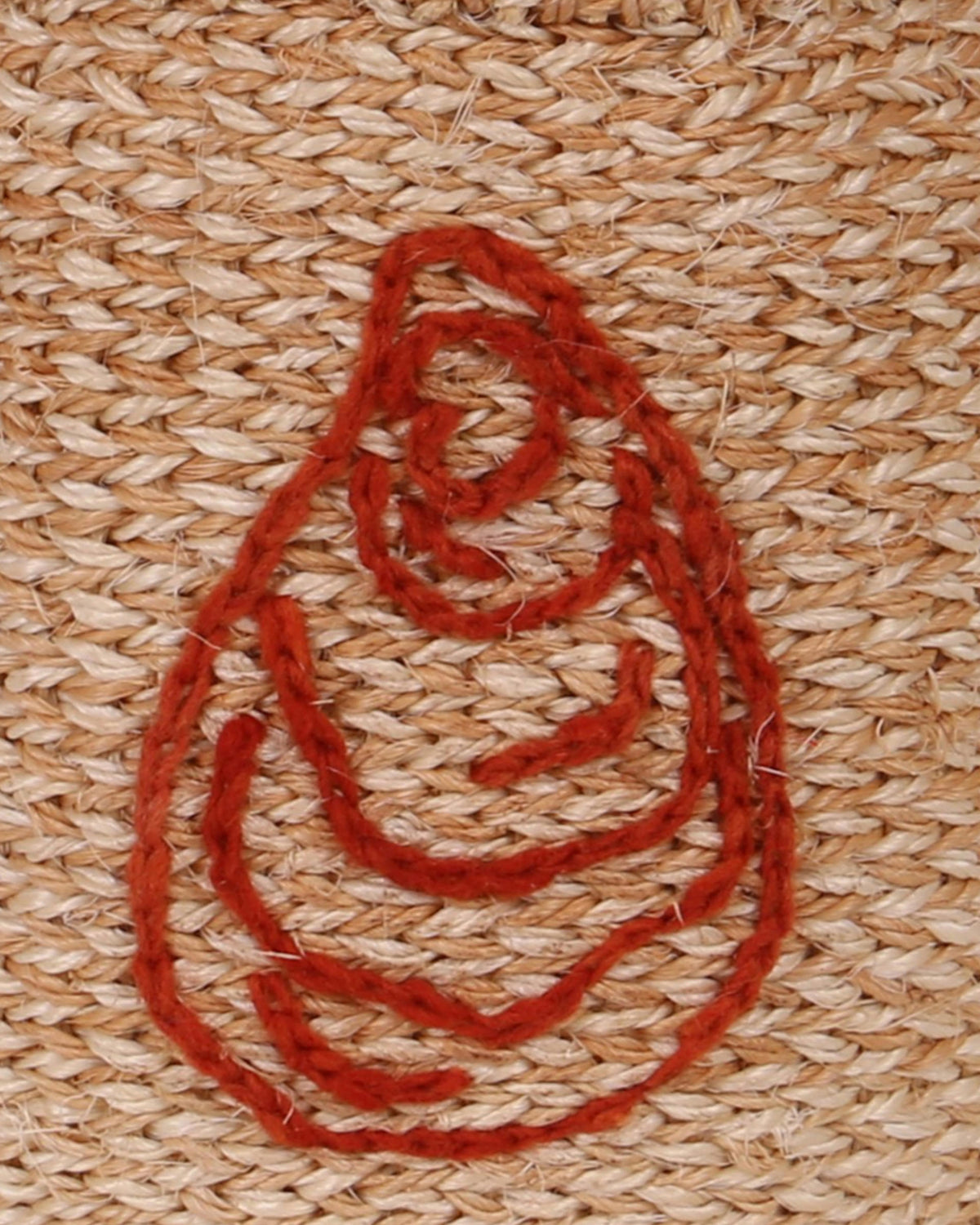
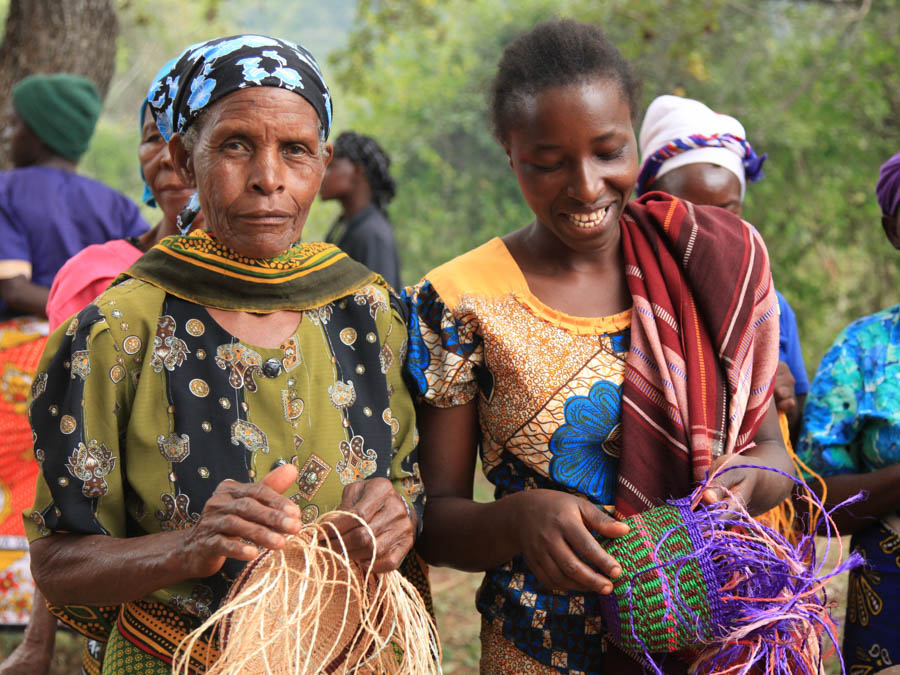
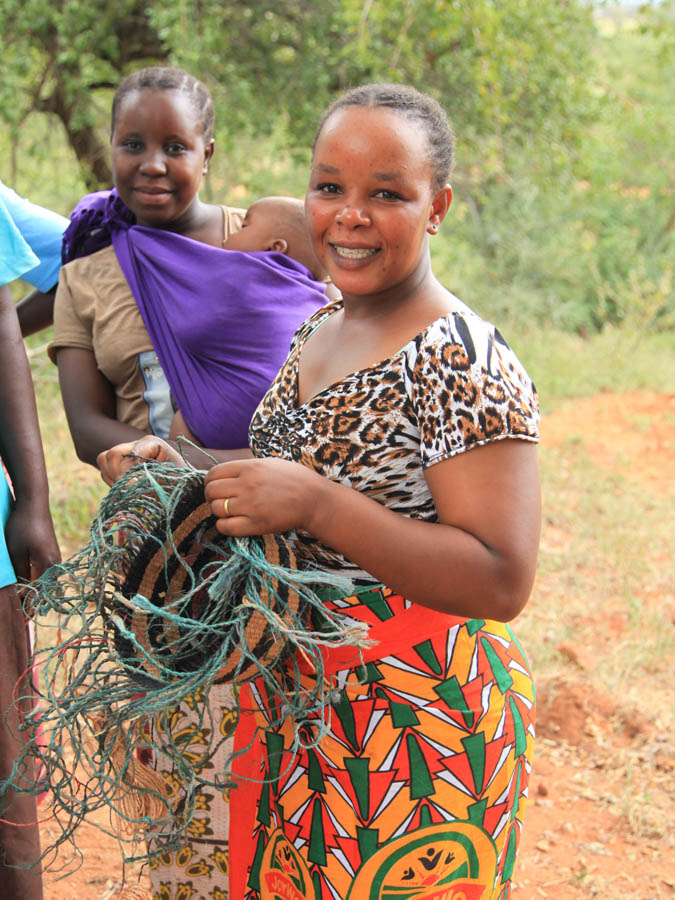
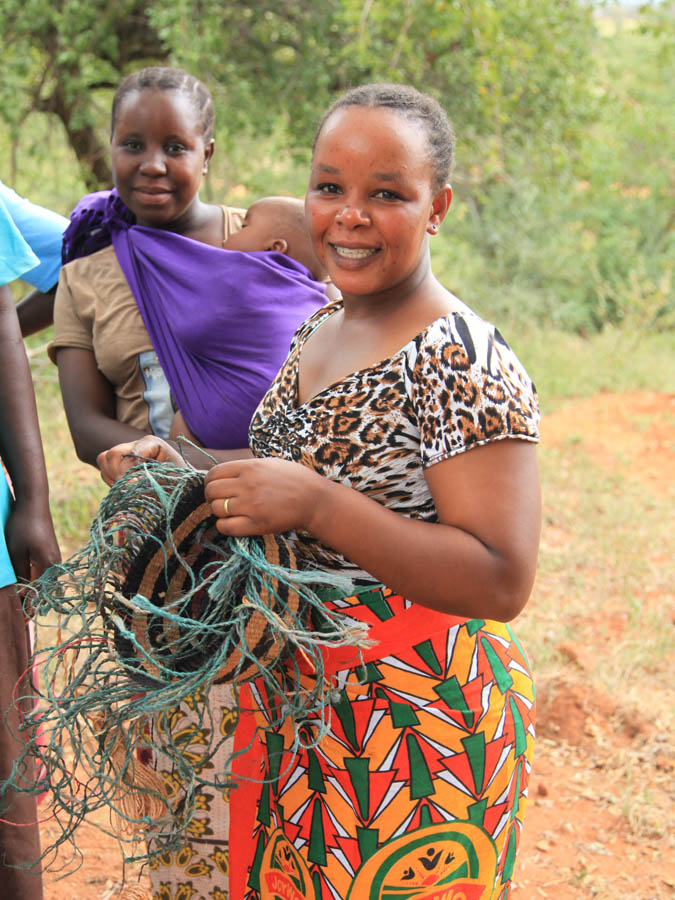
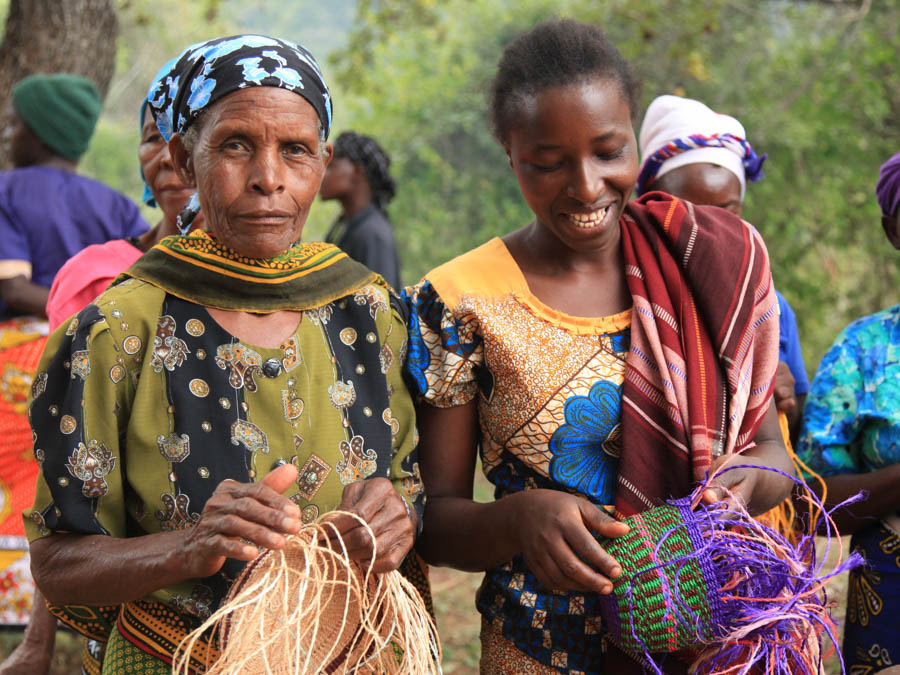
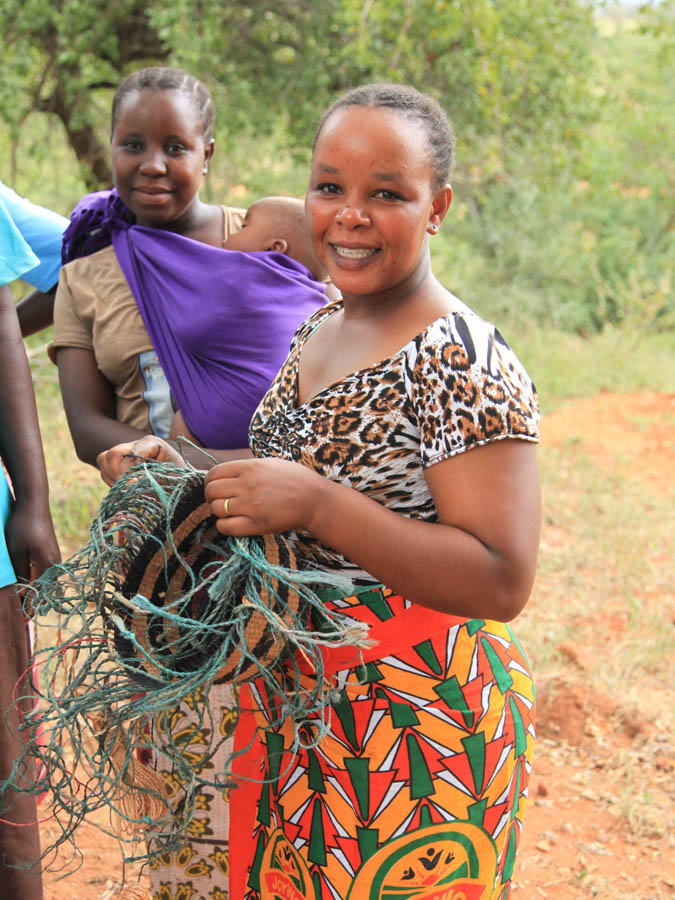
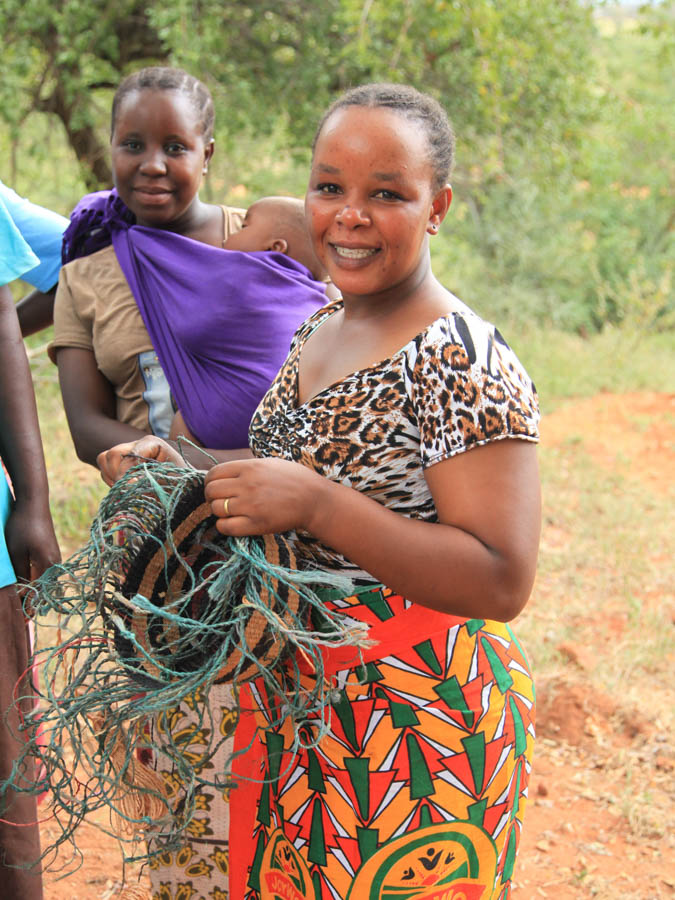
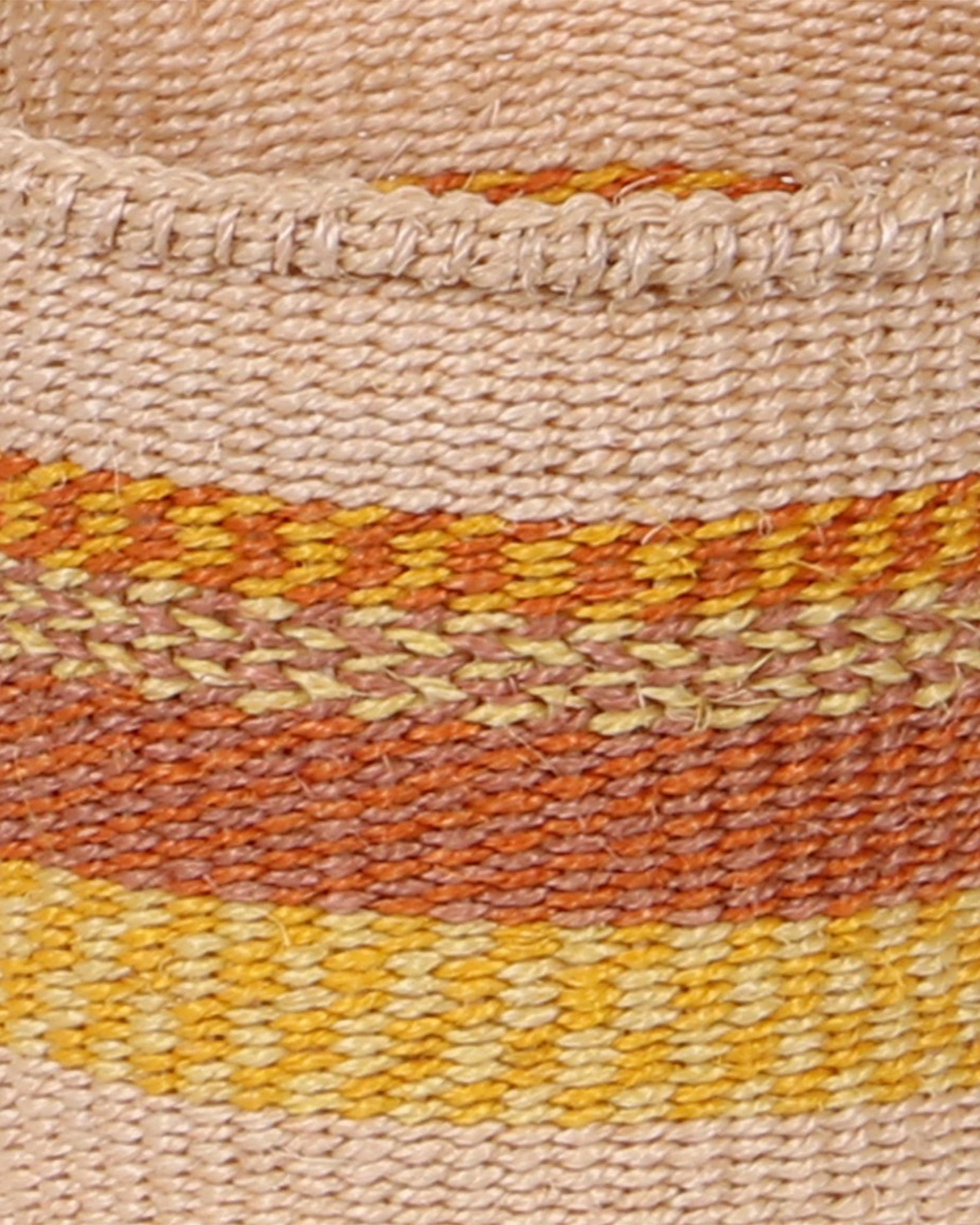
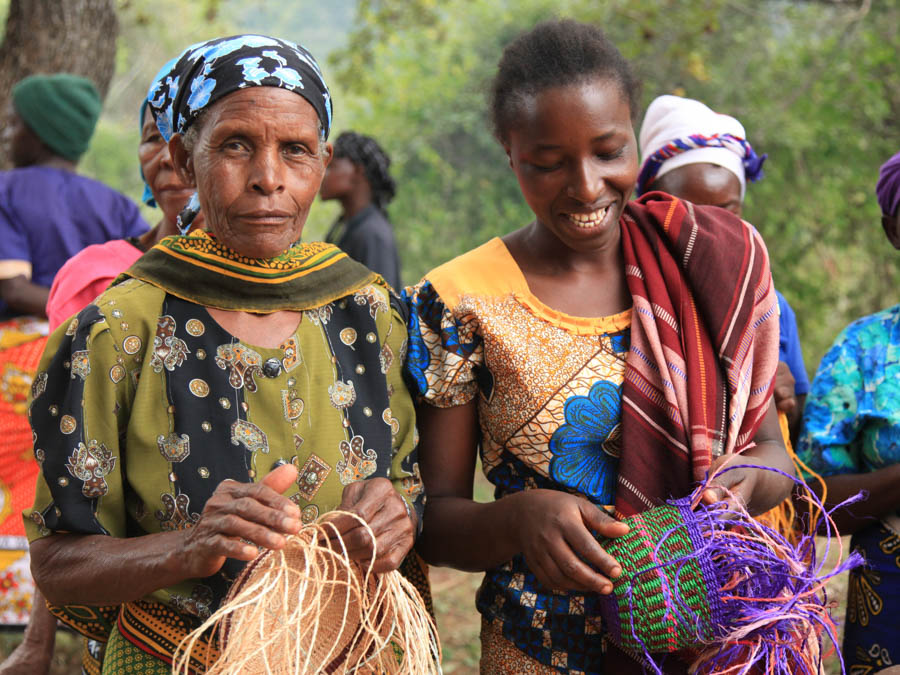
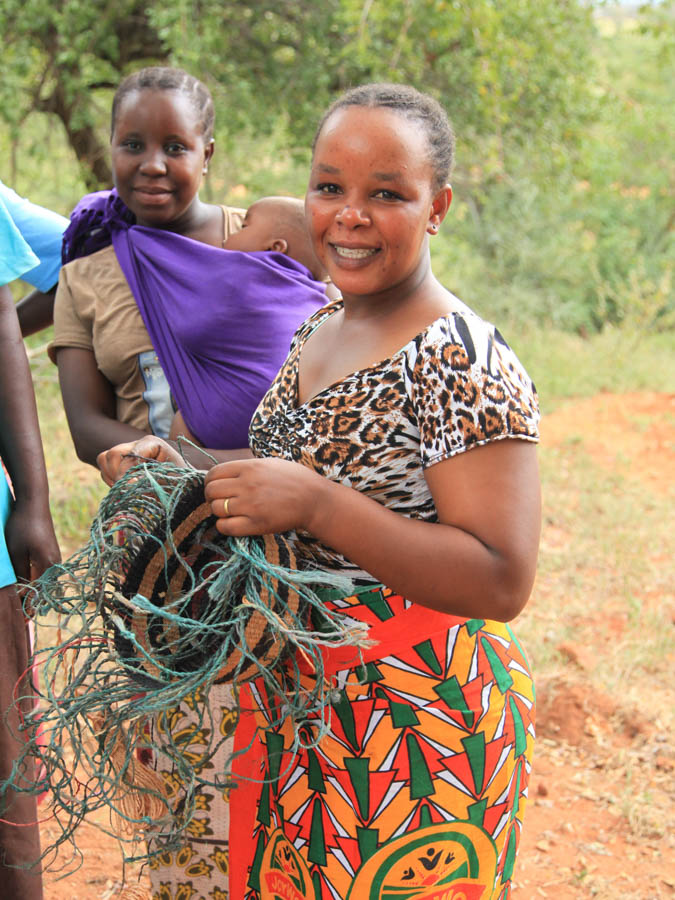
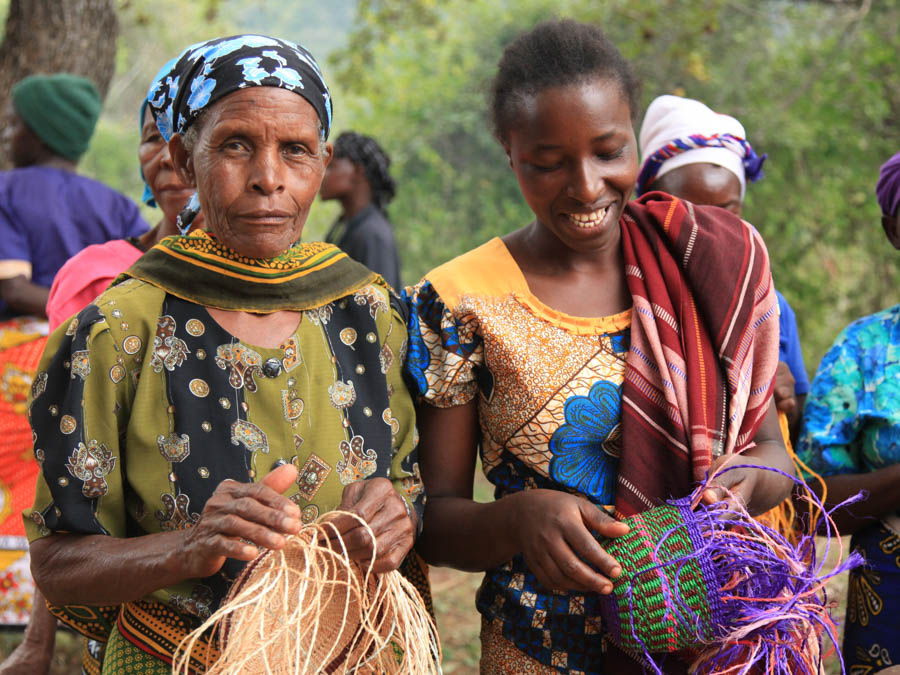
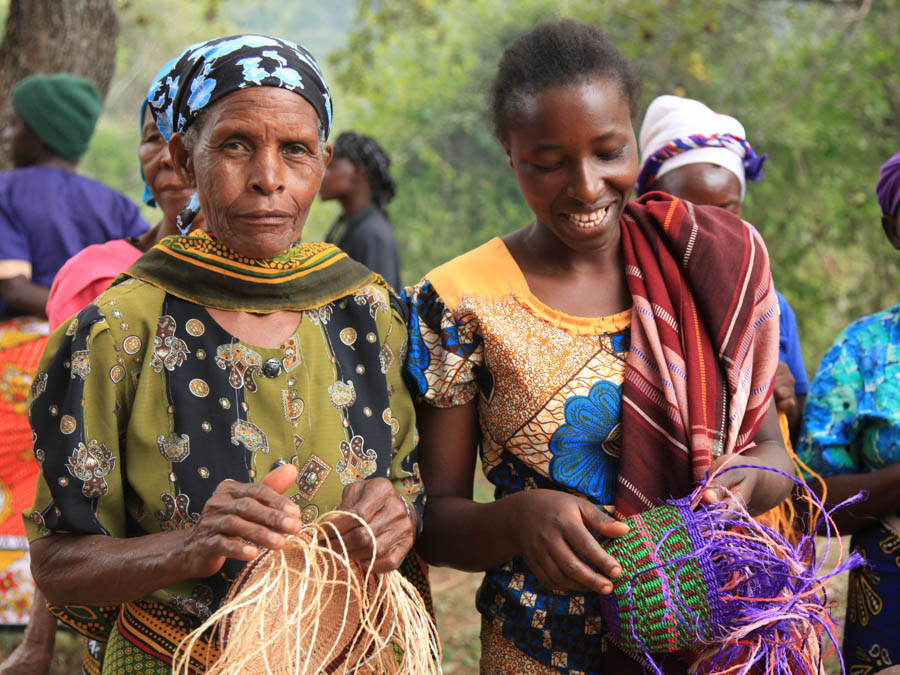
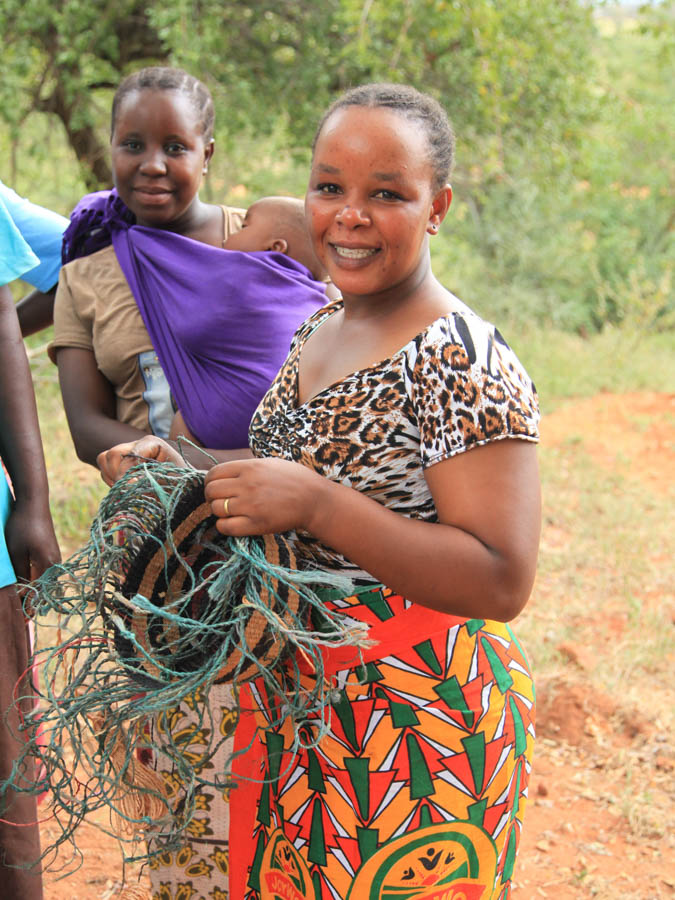
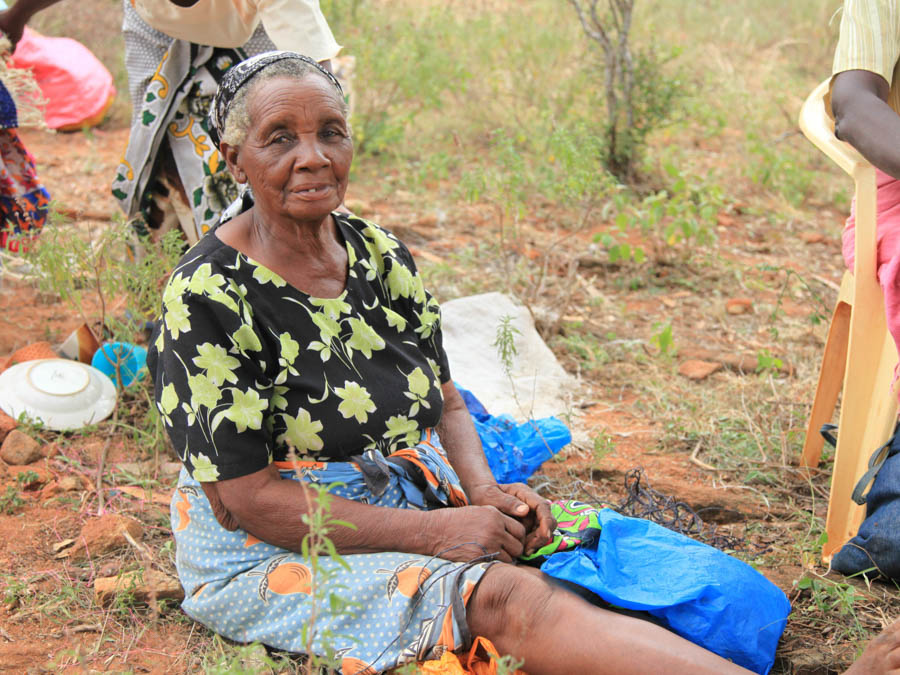
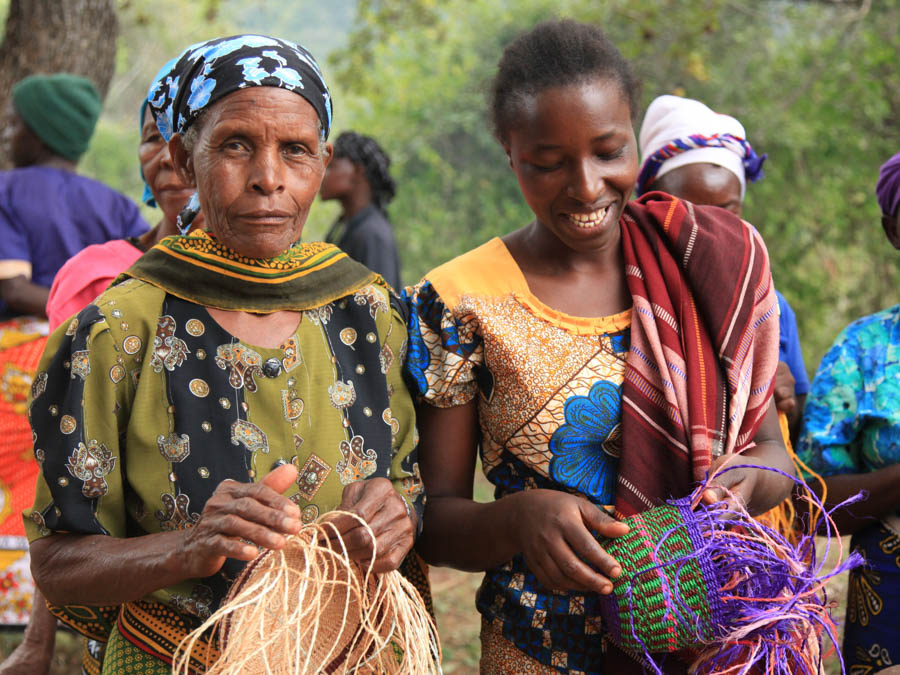
Our baskets are handwoven by artisans in small women’s craft collectives. One weaver works on each basket from start to finish. They transform the sisal into a beautiful handwoven basket, made to order. Each basket is unique and tells the story of the weaver, giving an authentic beauty to each piece.

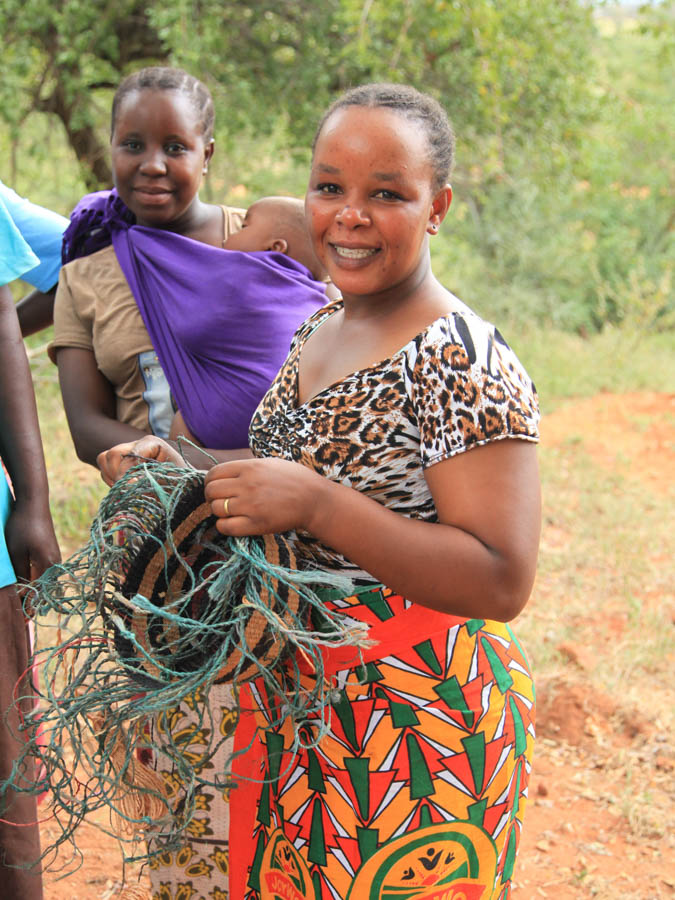
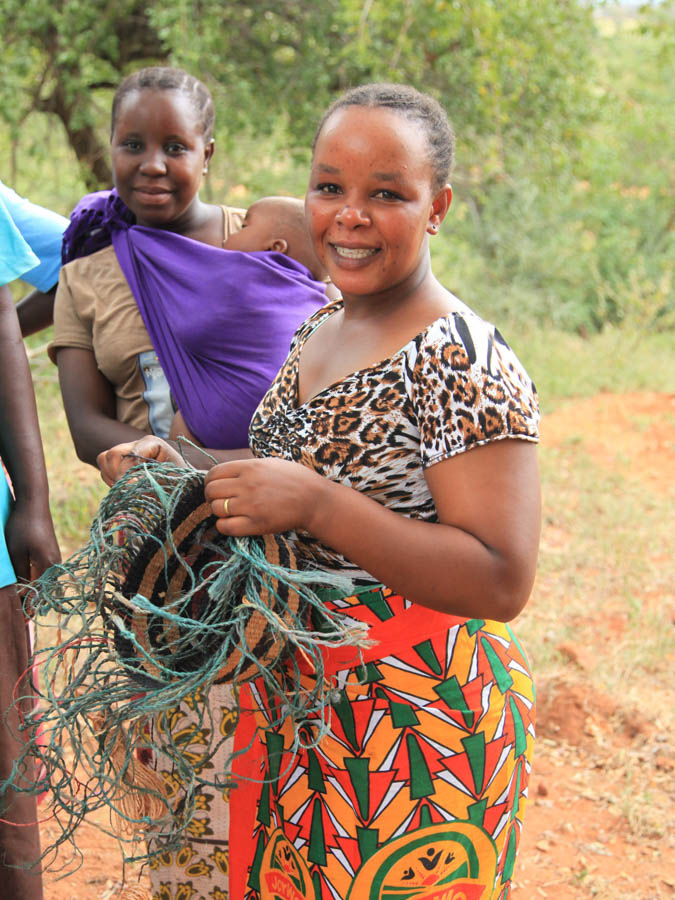
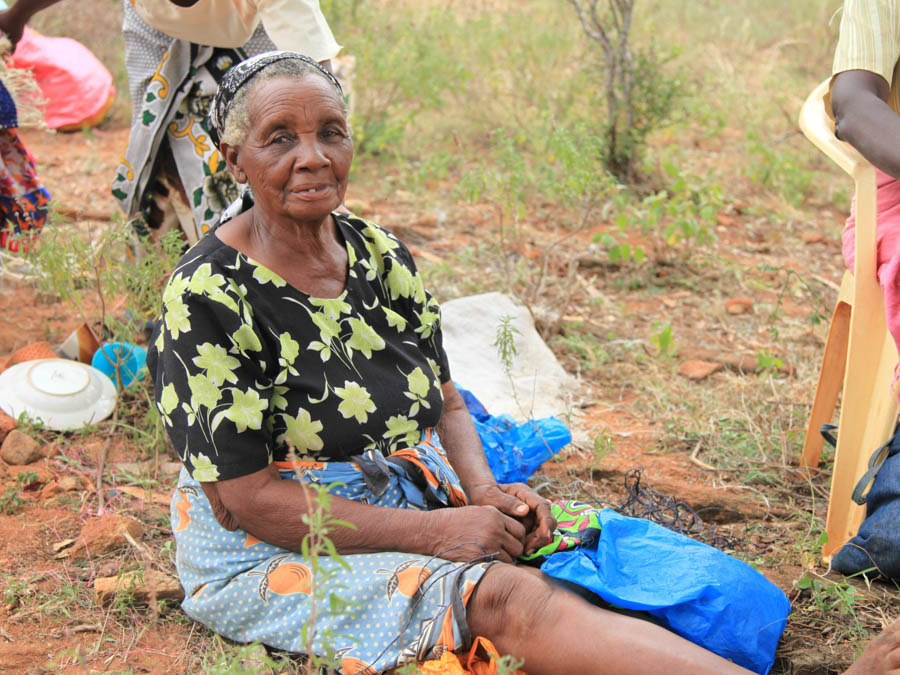
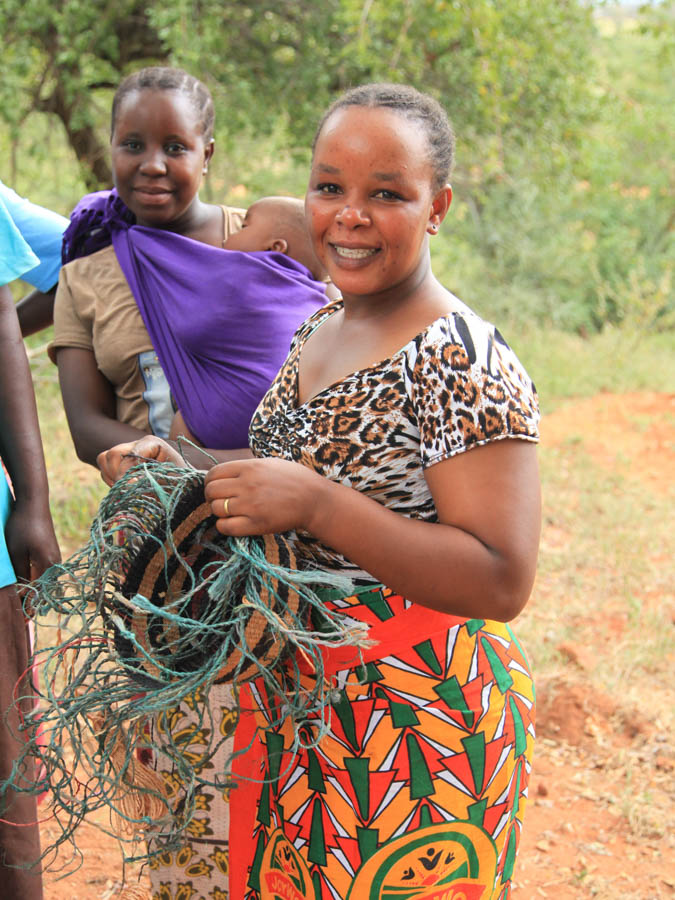
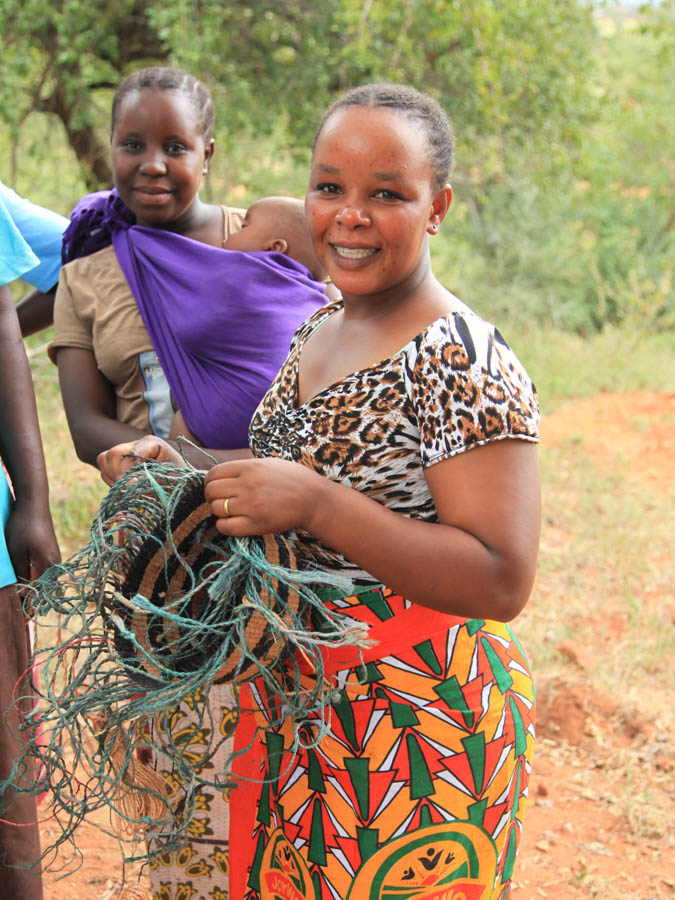
A weaver weaves as she walks to meet the group
The weaver takes their basket with them each day, adding to it between their other commitments. This means weavers can earn a precious second income, alongside their other jobs and responsibilities. We’re proud to support our team of skilled weavers by paying them 70% up front, so they can rely on that income.
The Benefits of Basket Weaving Co-Operatives
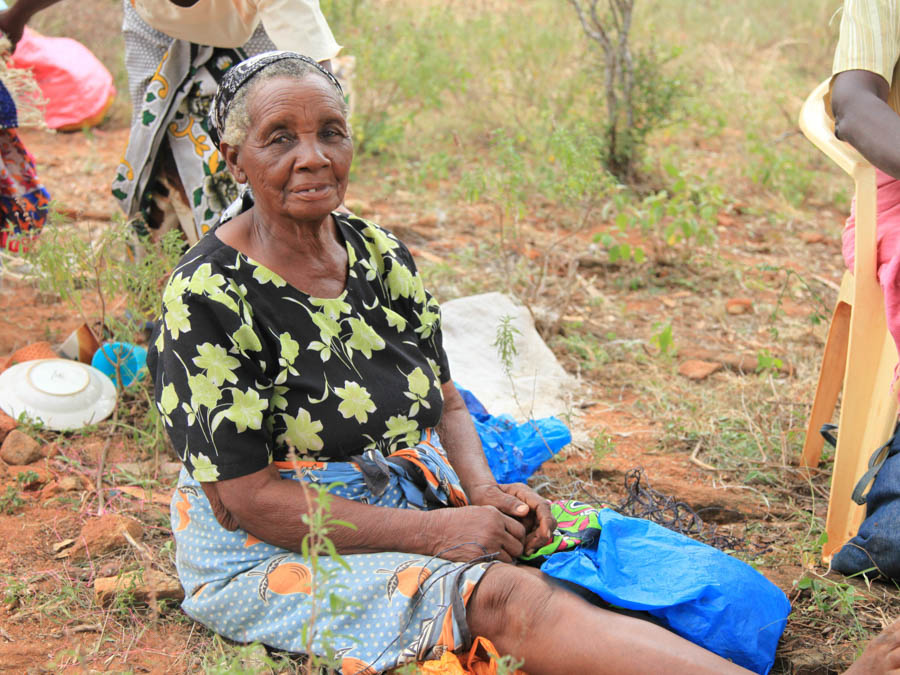
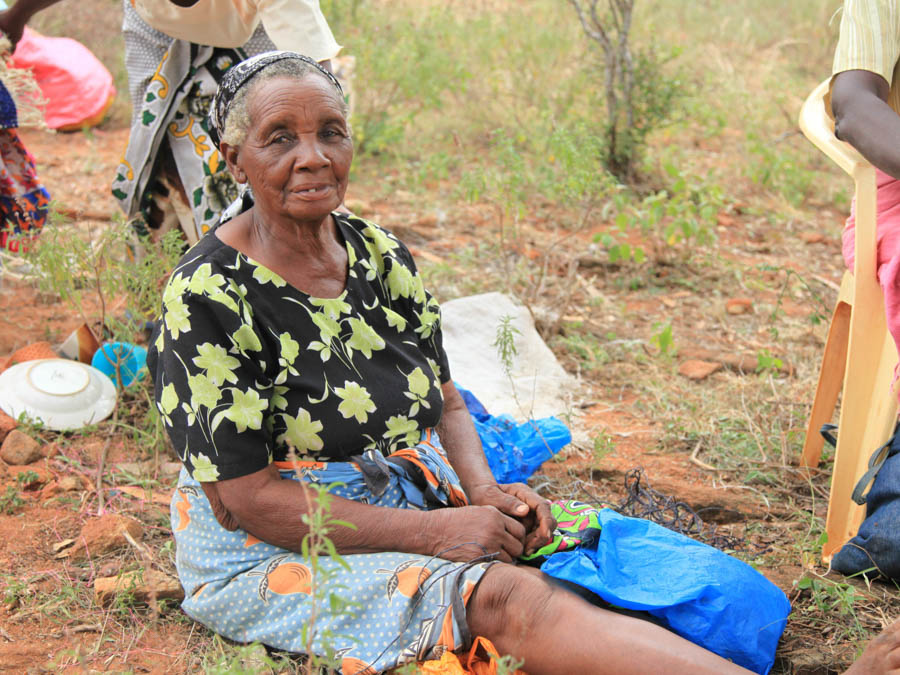
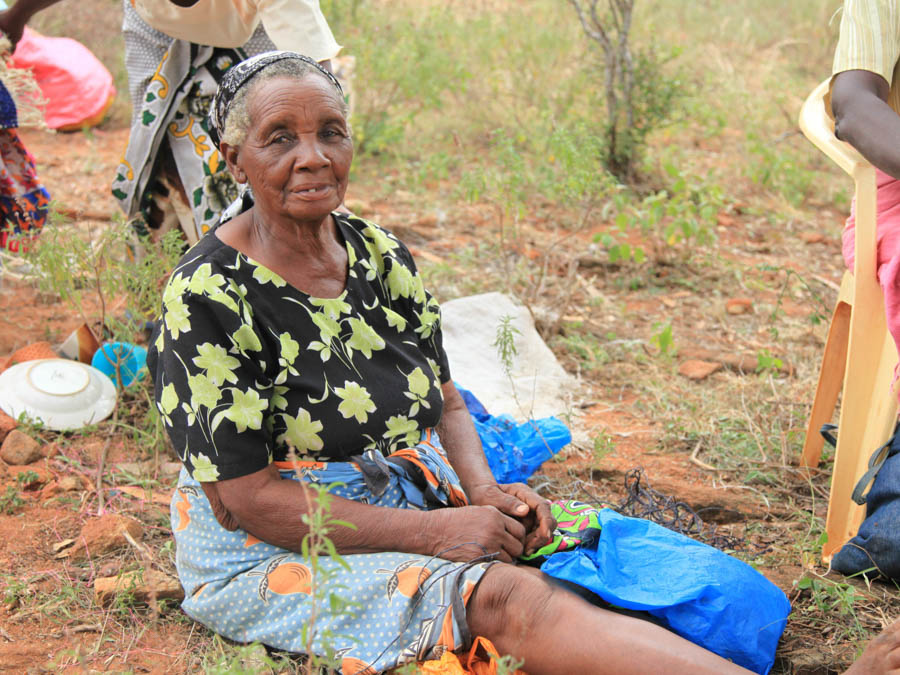
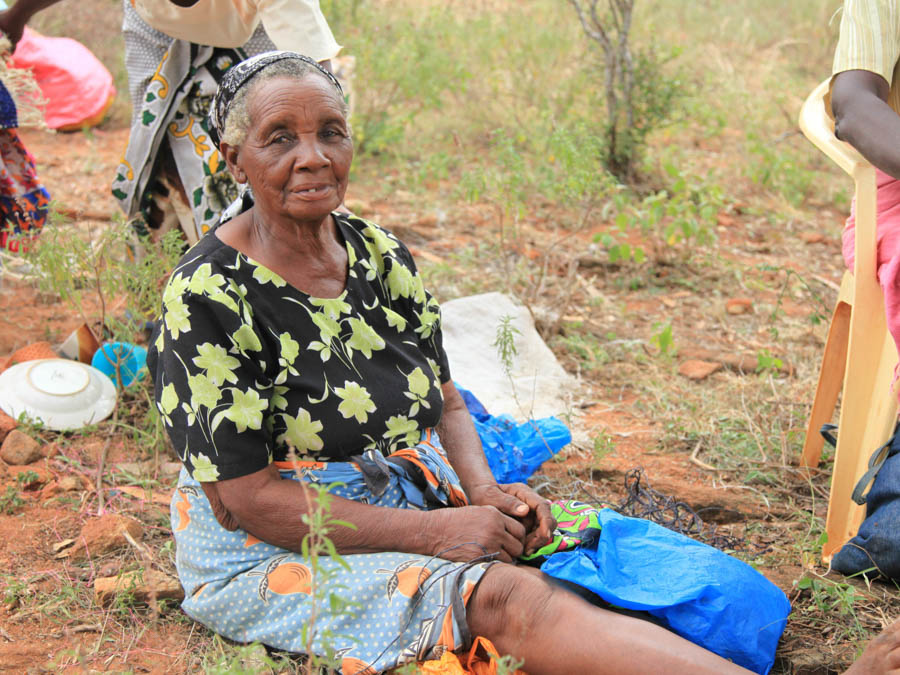
Belonging to a weaving co-operative creates community. When women weave together, they also support and mentor each other. Belonging to a weaving co-operative empowers them to make their own decisions and gives them opportunities to earn extra money.

Faith Nzau from the Kenyan Weaving Co-Operative says, “Weaving has been a great help to pay school fees for our children.”
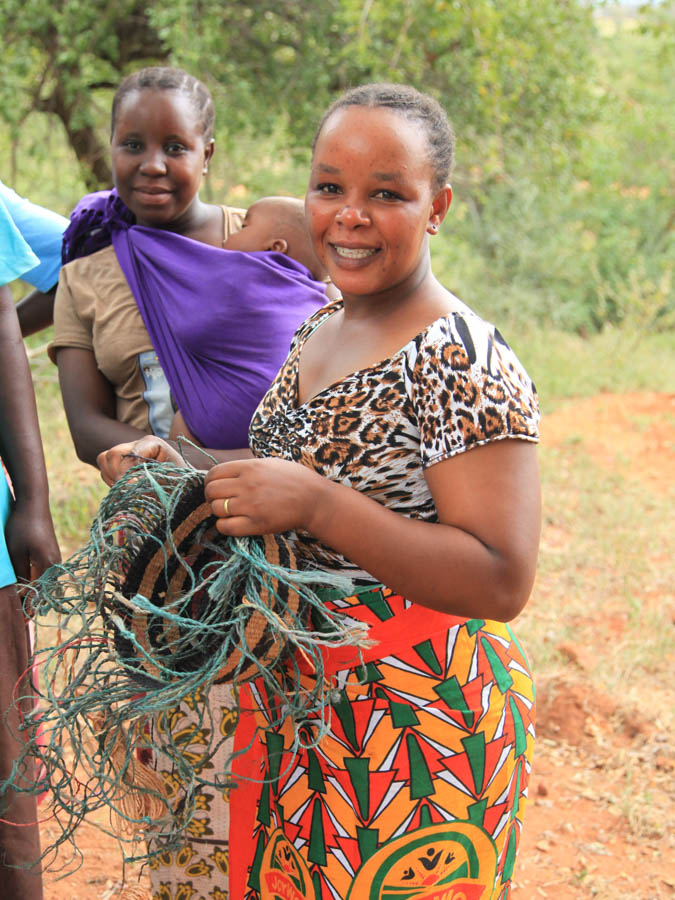
Peninah Nduku is the group’s treasurer. She says, “Being part of a weaving co-operative has given me more independence, even from my husband – he can see the benefit it brings. As a working woman in Kenya, I face many challenges. In the group, we get to assist one another, advise each other on how to overcome challenges, and motivate each other.”

Peninah Nduku (2nd from right)
Our handwoven baskets are resilient and inspirational, just like our weavers. You can read more of our weavers' stories and see more about the passion and dedication that goes into our baskets here.
BROWSE OUR BASKET COLLECTIONS